Why Attending Concerts Alone Remains a Fundamental Pillar of the Modern Music Fan Experience

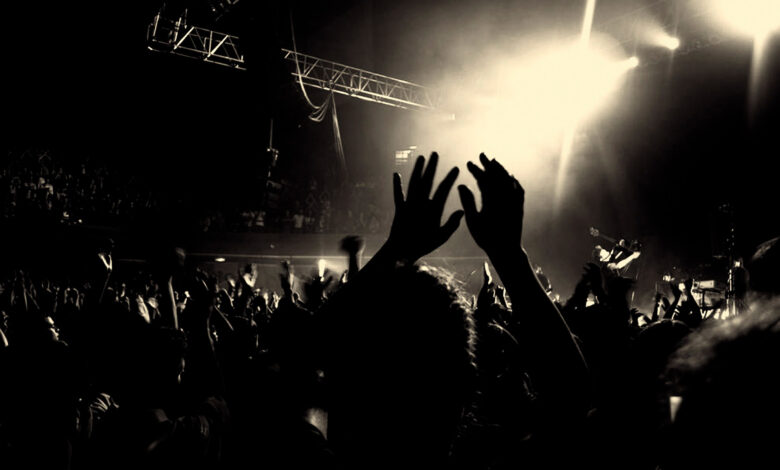
The cultural conversation surrounding live music has recently pivoted toward a debate over the social acceptability of attending shows alone. While some recent media reports have framed solo concertgoing as a novel or even “top-tier” human experience, veteran fans and industry observers argue that the practice is neither new nor abnormal. Instead, it remains a fundamental pillar of how music is consumed, offering a blend of logistical freedom and unexpected social community.
The debate was recently sparked by viral discourse suggesting that attending high-profile tours without a companion was somehow “sad.” However, for many who prioritize the music over the social outing, going solo is often a deliberate choice born of necessity and passion. The reality of modern life—coordinating adult schedules, aligning financial priorities, and agreeing on specific seating or standing locations—frequently makes group attendance a secondary concern to simply seeing the performance.
Experience at venues ranging from small dive bars to major theaters illustrates that the solo fan is rarely truly alone. At a recent performance by the Dream Syndicate, one fan noted the ease of the experience: arriving early at a local bar, securing a stool, and reading a book until the set began. The atmosphere of these smaller shows often rewards the solo attendee with a focused, immersive experience. In larger general admission (GA) venues, such as the 1,000-capacity Majestic Theatre, solo fans often gravitate toward the front barriers. This positioning is frequently used to avoid “chompers”—a term borrowed from the jamband community to describe attendees who treat live music as background noise for their personal conversations.
Surprisingly, the front-row experience often fosters a unique, temporary community. Fans standing at the barrier frequently report forming bonds with those around them, trading stories of past shows, and performing mutual favors like guarding a spot during a bathroom break. This sense of solidarity is particularly noted among female fans, who often find common ground in their shared musical interests and a desire to avoid the unsolicited “gatekeeping” frequently encountered in bars and venue lobbies.
This social dynamic is not a new development. Tracing the history of solo attendance back to the late 1970s, many fans recall their first solo outings at venues like the New Haven Coliseum. Even decades ago, being a lone fan in a crowd of thousands often led to the quick acquisition of a “dozen new best friends” within minutes of the doors opening. These interactions served as a vital network for information before the era of the internet, with fans swapping details about radio station favorites, tour rumors, and upcoming shows in neighboring cities.
Even in the age of smartphones, the core behavior of the concert crowd remains consistent. Younger fans attending high-profile tours for artists like Taylor Swift or Harry Styles, as well as those at more underground shows like Bikini Kill, continue the tradition of social exchange. They swap social media handles and share essential information about the tour, proving that the concert floor remains a primary space for meeting like-minded individuals, regardless of whether one arrived with an entourage.
However, the solo experience faces significant structural hurdles, particularly in the ticket-buying process. Automated systems used by major vendors like Ticketmaster frequently create friction for the individual fan. These platforms often prevent users from purchasing a single seat if it leaves a lone empty seat in a pair, or they require the selection of adjoining seats that may not realistically exist in the current inventory. This algorithmic barrier has turned what was once an advantage—using a single leftover seat to secure a better viewing position—into a logistical headache for many.
Beyond the business barriers, the solo fan must also contend with lingering social stigmas. There remains a persistent, if misguided, notion that attending a major event alone implies a lack of social connection. Music enthusiasts argue the opposite: that solo attendance is an expression of self-awareness and a refusal to miss a significant cultural event simply because a peer’s schedule did not align. As Neil Young famously suggested, the quality of live music stands on its own merit.
Ultimately, the rise in solo attendance reflects a broader trend of prioritizing the artistic experience over social performance. Whether it is a minimalist jazz set at an artistic consortium like Trinosophes or a high-energy rock show, the ability to navigate a venue on one’s own terms—choosing the best acoustic corner or the closest view—remains a mark of a dedicated fan. The consensus among the community is clear: if the choice is between seeing a favorite artist alone or not seeing them at all, the solo ticket is always the right investment.