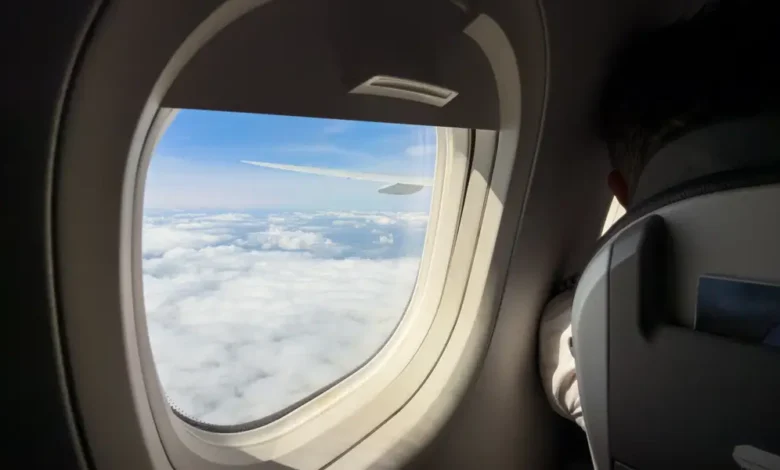
The confines of a modern commercial airplane cabin are often the stage for subtle yet fierce social negotiations. Among the most enduring debates, rivaling the controversy over reclining seats or the unspoken rules of the middle armrest, is the question of the window shade. For the passenger in the window seat, the small plastic shutter represents one of the few elements of environmental control available. However, how that control is exercised has become a significant point of contention for those navigating the unwritten rules of the sky.
The debate generally divides the cabin into two camps. Proponents of keeping the shade open argue that the view from 35,000 feet is one of the primary benefits of air travel. For these passengers, the ability to watch the clouds or the landscape below provides a sense of orientation and can significantly reduce the feelings of claustrophobia that often accompany long-haul flights in cramped quarters. The opportunity to capture photos of the journey is also a frequently cited positive for the “shades up” crowd.
Conversely, a vocal segment of the traveling public views an open shade at cruising altitude as an act of cabin-wide selfishness. Sunlight streaming into a darkened cabin can disrupt the sleep of dozens of surrounding passengers, particularly on overnight or transcontinental flights where travelers are attempting to manage jet lag. Beyond sleep disruption, the glare from an open window can make laptop and tablet screens nearly impossible to see, frustrating those attempting to work or stay entertained during the flight. This conflict has seen a recent resurgence on social media platforms and forums like Reddit, where flyers have been intensely litigating the issue of passenger selfishness.
While the etiquette of the cruising portion of a flight remains a matter of personal opinion, the rules governing takeoff and landing are strictly dictated by safety rather than social grace. Most airlines require window shades to be fully open during these critical phases of flight for several operational reasons. Primarily, it allows both passengers and the flight crew to maintain situational awareness. In the event of an emergency, such as an engine fire or a visible hazard on the wing, those inside the cabin can immediately spot and report the issue to the cockpit.
Furthermore, the open-shade policy is designed to assist emergency responders on the ground. If a plane is involved in an incident on the runway, rescue crews must be able to see into the cabin to assess conditions, locate passengers, and identify the presence of smoke or flames. Keeping the shades open also ensures that passengers’ eyes are adjusted to the natural light outside, which is a critical factor if a sudden evacuation becomes necessary in bright daylight or total darkness.
Despite these clear safety mandates, the transition to cruising altitude often leaves the cabin in a gray area of etiquette. Flight attendants, many of whom have spent years mediating these disputes, often find themselves balancing the needs of a passenger who wants to see the horizon against the needs of a row of passengers trying to rest. While crews may sometimes request that all shades be lowered during designated sleep periods on international routes, there are generally few formal rules governing the shade once the aircraft is at altitude.
This “window-shade war” is part of a broader set of challenges facing the modern traveler, where decreasing personal space has heightened sensitivities to the behavior of others. Whether it is the debate over taking off shoes and socks or the appropriate use of the seat recline function, the window shade remains a primary symbol of the tension between individual rights and communal comfort. As the discussion continues, the consensus remains elusive, leaving the decision to the discretion—and the empathy—of the person in the window seat.