Netflix is confronting a period of substantial corporate upheaval following massive staff reductions, high-profile executive departures, and mounting questions over its long-term programming strategies. The streaming giant recently laid off approximately 1,000 employees, marking its largest workforce reduction since 2022. The cuts coincided with an executive overhaul that saw the exits of chief content officer Bela Bajaria and film division chairman Dan Lin.
The organizational changes arrive as Netflix contends with slowing viewership growth, subscriber churn, and a stock price hitting a two-year low. Despite these headwinds, co-CEO Ted Sarandos maintained during the company’s third-quarter earnings call that there is no need for a fundamental shift in overall strategy. Yet industry observers note that the streamer is grappling with an identity crisis born of its own evolution from Hollywood outsider to established industry incumbent.
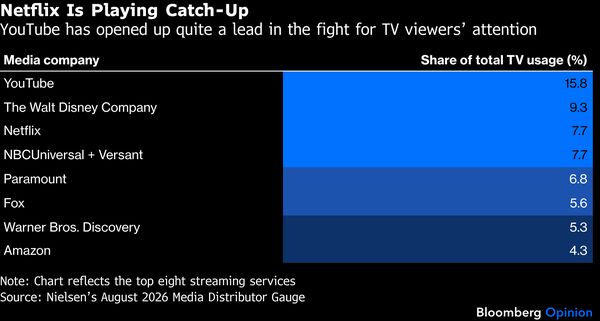
Adding to the operational pressures, reports indicate that the average Netflix subscriber is spending less time engaging with titles on the platform. Competitors across the digital landscape, ranging from legacy media rivals to attention-grabbing platforms like YouTube and Instagram, continue to vie aggressively for viewer time.
For years, Netflix relied heavily on its signature binge-release model and a strict resistance to traditional theatrical distribution to reshape the entertainment industry. While the binge format remains popular for major event releases by offering instant gratification and concentrated cultural moments, critics and industry analysts argue that a rigid, one-size-fits-all approach to scripted television may no longer be optimal for every project.
Industry research underscores potential advantages to alternative rollout schedules. A 2024 study cited from fan communities platform Fandom indicated that series released weekly generated 33% more engagement and sustained viewer interest nearly 50% longer than binge drops. Furthermore, a 2025 academic study co-authored by researchers from Carnegie Mellon University, Universidade Católica Portuguesa, and the University of Texas found that piecemeal releases made participants 48% more likely to continue using a streaming service.
Stretching a release across weeks or months can help maintain cultural conversation and bridge the notoriously difficult gaps between television seasons, a frequent pain point for audiences. Netflix has already shown a willingness to experiment with staggered rollouts for major hits, including blockbuster series like Stranger Things.
The company has similarly demonstrated flexibility in other areas of its business when faced with market pressures. After previously resisting advertising on its platform, Netflix introduced an ad-supported tier in 2022 following its first quarterly subscriber loss in over a decade, providing a cost-effective alternative without eliminating existing ad-free plans.
In a similar pivot, Netflix has softened its stance on theatrical distribution. Moving away from a blanket rejection of cinema windows, the company has adopted what Sarandos describes as a bespoke release pattern for select films. This strategy includes granting its recent Oscars hopeful, La Bola Negra, the longest exclusive theatrical window in company history and initiating the practice of reporting box office earnings.
That bespoke approach is slated to extend to forthcoming high-profile projects, including Greta Gerwig’s adaptation of The Chronicles of Narnia, a David Fincher-directed spinoff film based on Once Upon a Time in Hollywood, and an animated Charlie and the Chocolate Factory film.
As Netflix works to steady its operations amid executive turnover and shifting viewing habits, industry analysts suggest that applying a similarly flexible, case-by-case framework to television releases could help the platform better balance audience engagement, filmmaker relations, and long-term retention.