Human beings have long possessed an innate tendency to measure their own abilities, opinions, and achievements against those of others. This psychological process, known as social comparison, served an adaptive purpose during prehistoric times when humans lived in close-knit social groups. Understanding one’s standing within a community helped individuals identify approved behaviors, gauge their sense of belonging, and navigate complex social hierarchies.
For most of human history, however, this comparative drive faced strict physical constraints. Major touchpoints for evaluating peers, such as a 25-year high school reunion, occurred rarely and involved a limited, local reference group. Individuals encountered these moments intermittently, keeping the psychological impact of comparison bounded by time and geography.
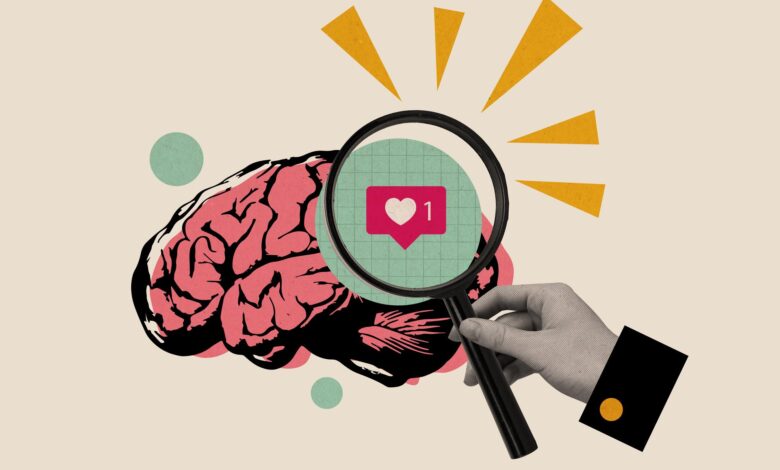
Today, the landscape of social comparison has been fundamentally reshaped by digital technology and social media platforms. Interactions on these networks no longer rely solely on subjective impressions of approval or standing. Instead, platforms introduce measurable metrics including likes, follower counts, views, and shares, which turn social validation into quantifiable data.
These numerical indicators function as personalized scoreboards. When users post content, they receive immediate feedback that can be compared against their own expectations, past performance, and the engagement received by others. Likes serve a dual purpose by both rewarding users and ranking them, transforming qualitative social approval into scored metrics that make comparison nearly impossible to avoid.
While the underlying psychological drive remains rooted in evolutionary history, the scale, frequency, quantification, and accessibility of modern comparison have expanded exponentially. Where individuals once sought subjective reassurance of belonging, contemporary digital tools provide what can feel like objective answers derived from vast, global reference groups available at any moment.