In September 2024, Ryan Goepel assumed his recurring knee pain was merely another flare-up of gout. The 49-year-old Florida father of three had lived with the inflammatory condition for years, and while painful, it was familiar. However, when the ache persisted beyond the usual timeframe, Goepel visited his physician for blood work. Within 48 hours, his life was upended by a phone call instructing him to abandon whatever he was doing and rush immediately to the hospital.
At a nearby sports medicine facility, initial tests revealed a catastrophic collapse of Goepel’s immune system. The arrival of an oncologist to discuss the results was the first indication that the situation was far more severe than joint inflammation. Doctors diagnosed Goepel with acute myeloid leukemia (AML), a particularly aggressive form of blood cancer. By the time he was admitted, his condition was so critical that his organs were on the verge of total failure. Medical staff were so concerned that they bypasssed Goepel to speak directly with his girlfriend, advising her to begin making hospice arrangements and funeral plans, as they did not expect him to survive the week.
Seeking a second chance, Goepel was transferred to the Sylvester Comprehensive Cancer Center in Miami. There, a biopsy confirmed not only the AML diagnosis but also revealed it was an “adverse-risk” variant. This specific genetic makeup meant that the standard chemotherapy regimen used for decades would likely be ineffective and potentially fatal. Dr. Justin Watts, the cancer center’s chief of leukemia, explained that traditional treatment would have severely weakened Goepel’s already failing body without effectively managing the cancer, likely leading to death within weeks. Even if standard chemo had worked initially, the risk of a rapid relapse remained extremely high.
A single opening remained in a Phase 2 clinical trial overseen by Dr. Watts, which offered a different path. The study was testing a combination of two medications—a pill taken daily for 28 days and an infusion administered daily during the first week—usually reserved for older patients. Because the genetic profile of Goepel’s AML resembled the disease typically seen in 70- or 80-year-olds, he was deemed an ideal candidate. Confronted with no other viable options, Goepel joined the trial, writing the phrase “I’m not done yet” in a journal his girlfriend provided on his first day of treatment.
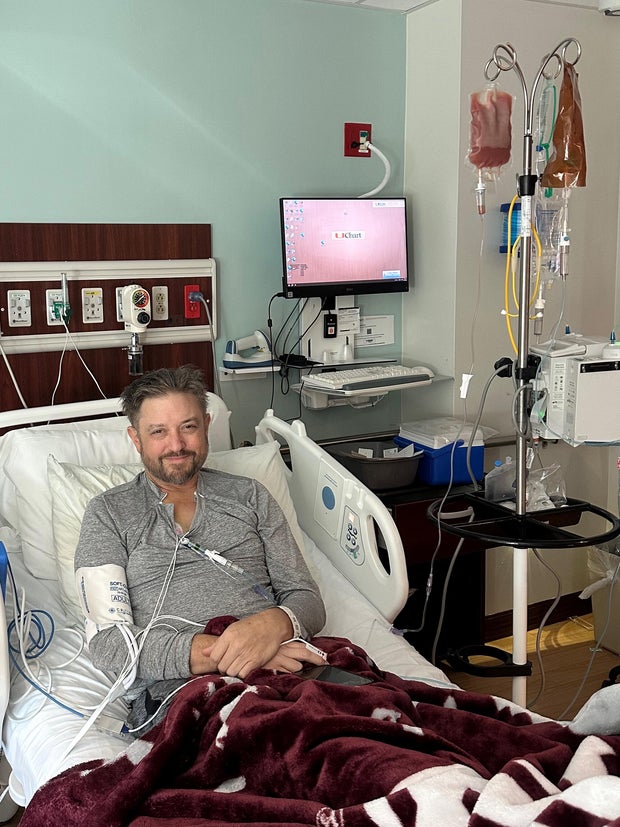
The response to the experimental regimen was immediate. Just over two weeks after starting the trial, Goepel entered full remission. His success was part of a broader trend observed in the trial data, which was published in the academic journal Haematologica. Of the 36 patients enrolled in the study, 25 saw their cancer shrink or disappear within a single 28-day course of treatment. Nineteen of those patients, including Goepel, achieved complete remission. This success rate significantly outpaces standard treatments for adverse-risk AML, where only about 44% of patients typically see a positive response. Furthermore, trial participants reported fewer infectious complications and required fewer blood transfusions compared to those on traditional protocols.
Dr. Mihir A. Shukla, a hematologist at NYU Langone’s Perlmutter Cancer Center who was not involved in the study, noted that these results are beginning to challenge long-standing medical standards. The findings suggest that targeted populations may benefit from moving away from the “standard, decades-long approach” to AML treatment. For Goepel, the remission was only the first stage of recovery. To ensure a permanent cure, he required a bone marrow transplant to essentially rebuild his immune system. In a stroke of luck, both of his sisters were identified as perfect matches, and he underwent the procedure in November 2024.
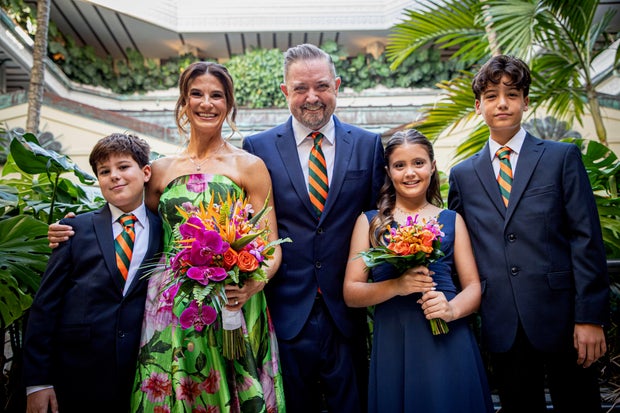
The road to full recovery remained grueling. Following the transplant, Goepel spent three weeks in the hospital and 100 days in strict isolation at home. He weathered post-transplant complications, including pneumonia and rotavirus, but his body eventually stabilized. Now, two years after the initial diagnosis that nearly cost him his life, Goepel remains cancer-free. He celebrated the one-year anniversary of his remission in November 2025 by marrying his girlfriend, the woman who refused to accept his initial hospice prognosis.
While Goepel continues to meet with his care team to monitor for any signs of relapse, he is focused on reclaiming a sense of normalcy. He has resumed traveling and has begun to move past the hyper-vigilance that follows a near-fatal illness. Where a sore throat once triggered immediate fear of a cancer recurrence, Goepel says he is learning to relax and enjoy life again, recognizing that a minor ailment is sometimes just that.