Federal Judge Asked to Compel Disclosure of Trump Communications Regarding Kennedy Center Closure

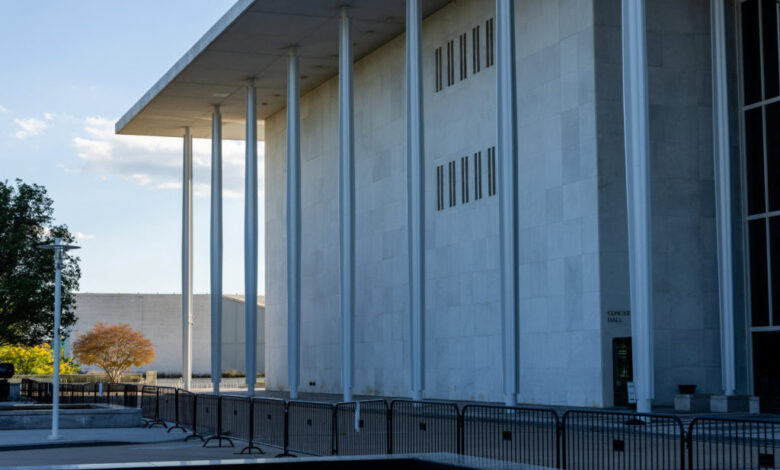
Lawyers for a Democratic lawmaker filed a motion in federal court Sunday seeking to compel the Trump administration to release records that allegedly document the president’s extensive influence over the management of the Kennedy Center. The legal move is part of a broader challenge to a plan to close the performing arts center for major renovations.
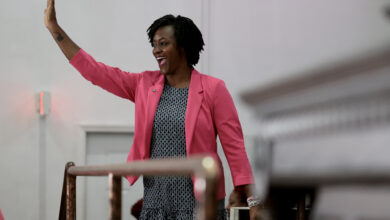
Rep. Joyce Beatty, an Ohio Democrat and an ex officio member of the Kennedy Center board, is requesting a court order for the administration to surrender documents, emails, and text messages that have been withheld under claims of privileged presidential communications. Her legal team argues that a list of records already in the center’s possession suggests a state of “near-constant contact” between Donald Trump’s administration and the center’s management, conducted either directly or through intermediaries.
At the center of the dispute are specific communications between executive leadership and the White House. The list of withheld materials includes 19 text messages between Kennedy Center executive director and CEO Matt Floca and Trump’s executive assistant, Natalie Harp. According to court filings, 11 of those messages were exchanged on Sept. 15, the same day the center’s board voted for a third time to close the facility for renovations.
Furthermore, the plaintiffs identify approximately 180 text messages exchanged between Floca and Commerce Secretary Howard Lutnick. Beatty’s attorneys allege that Lutnick was acting as a “go-between” for the president. They characterized the administration’s withholding of these records as “gamesmanship,” arguing that without the materials, the plaintiff lacks a complete understanding of the administration’s actions regarding the public institution.
This legal friction follows a May ruling by U.S. District Judge Christopher Cooper, who determined that the Kennedy Center had illegally added Trump’s name to the building and ordered its removal. After that ruling, loyalists on the board appointed Trump as the center’s chairman. Trump has since advocated for the building to be “ripped down,” claiming it is in a dangerous state of disrepair. The board’s subsequent vote to close the facility for renovations came after Judge Cooper blocked attempts to return the president’s name to the building.
Recent actions at the facility have moved quickly. On Sept. 16, Floca ordered a temporary closure of the main building. This prompted a follow-up order from Judge Cooper on Sept. 17, which mandated that the Kennedy Center provide at least 30 days’ notice before initiating any major physical changes to the structure.
Judge Cooper, who was nominated to the bench by President Barack Obama, has not yet ruled on the request to compel the disclosure of the withheld communications. The White House has not yet issued a public comment regarding the Sunday filing.