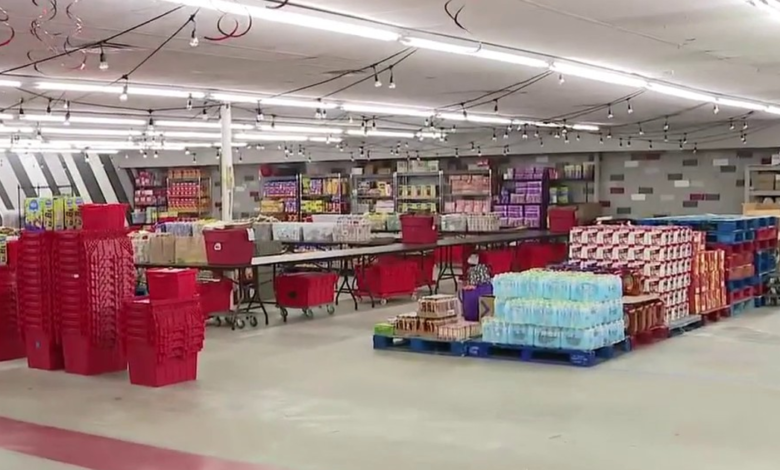
In 2009, Lunches of Love launched as a focused initiative aimed at feeding 150 children experiencing severe food insecurity at a single elementary school in Rosenberg, Texas. Over the subsequent years, the organization’s scope transformed dramatically. Today, it delivers regular meals to more than 3,500 children spread across 53 schools and three distinct school districts.
For many students who rely on subsidized cafeteria meals during the academic year, school closures, holidays, weekends, and summer recesses create an immediate nutrition gap. When classrooms close, childhood hunger spikes across Fort Bend County, leaving thousands of families struggling to secure basic sustenance.
Following the passing of founder Adriane Mathews in 2023, her sister Elizabeth assumed the role of director, navigating a landscape of escalating community need. To manage the expanding distribution footprint, Lunches of Love operates two primary hubs. The Rosenberg Site delivers meals to 2,863 children across 47 campuses within the Lamar CISD and Needville ISD areas. Meanwhile, the Sienna Site, established in 2016 to address suburban poverty, services 700 children across six schools in Fort Bend ISD. Among the institutions receiving deliveries is Adriane Mathews Elementary, a campus that opened in 2023 and bears the name of the organization’s late founder.
This operational growth coincides with mounting economic pressures. When the charity first began assembling meal bags, each individual lunch cost approximately 75 cents. Due to persistent grocery inflation and higher packaging expenses, that baseline cost has doubled to $1.50 per meal.
Operating almost entirely on community donations and volunteer labor, the organization continues to seek public assistance to maintain its distribution schedule. Contributions of $8 provide a single child with five sack lunches and cereal for the weekend, while a $32 donation supports a child for an entire month during the summer. Volunteers contribute by assembling meals, decorating brown paper bags, and managing distribution routes.