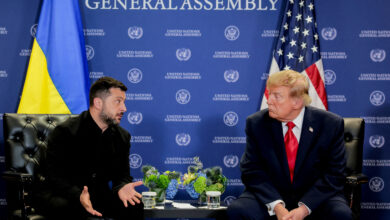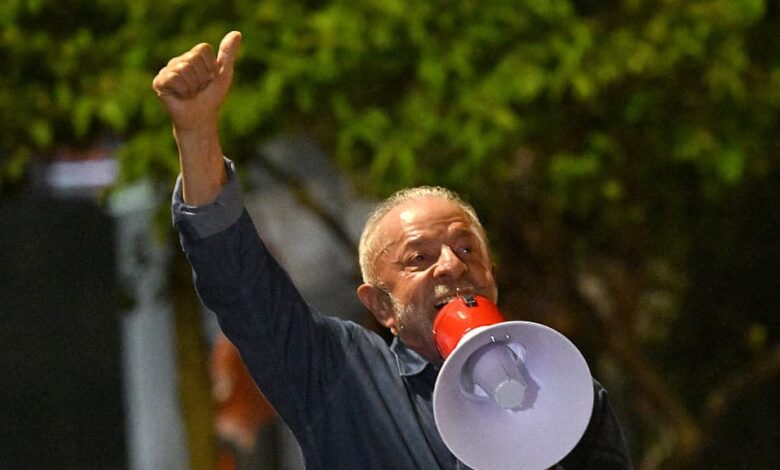
The political landscape in South America shifted significantly as President Luiz Inácio Lula da Silva secured a decisive victory, effectively turning a domestic electoral contest into a broader rebuke of foreign political influence and economic policies associated with right-wing populism. The campaign’s most potent strategic opening emerged unexpectedly from Washington, where high-profile praise provided the incumbent administration with a powerful narrative framework to rally voters.
Ahead of the decisive runoff, strong rhetorical support from the United States for Flávio’s first-round performance allowed Lula to successfully recast the election as a fundamental test of national sovereignty. Prior to these developments, existing trade tariffs had already alienated key segments of the Brazilian economy, notably agricultural and industrial exporters, alongside crucial moderate voters who remained skeptical of polarized partisan politics.
Capitalizing on these economic grievances, Lula targeted his opponent during televised debates and high-energy campaign rallies. He accused the Bolsonaro family of aligning with foreign priorities and warned the electorate that a rival victory would surrender control of Brazil’s vast natural resources to external interests. Furthermore, the campaign leveraged public skepticism regarding sweeping fiscal cuts modeled after policies implemented by President Javier Milei in neighboring Argentina, portraying them as detrimental to domestic stability and social welfare programs.
For many voters situated firmly outside the traditional left-wing base, the imperative to defend national sovereignty provided a compelling rationale to cast their ballots for Lula, overriding lingering reservations concerning his past administration and governmental record. Visual symbolism on the campaign trail powerfully reinforced this narrative.
On São Paulo’s Paulista Avenue, historically Brazil’s primary stage for major political demonstrations and protests, a demonstrator was spotted wearing a mask representing the American leadership alongside a puppet depicting Flávio. This striking imagery encapsulated the exact binary choice that Lula sought to present to the electorate.
The contest thus transcended a standard referendum on domestic governance, evolving instead into a referendum on whether Brazil would permit foreign political figures to shape its sovereign trajectory.