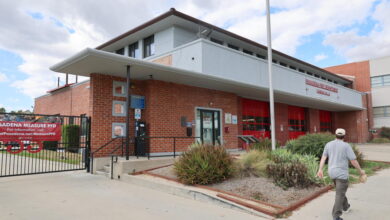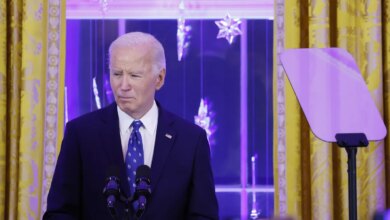
The Los Angeles Board of Water and Power Commissioners voted Tuesday to immediately suspend residential water and electricity service shutoffs for nonpayment through the remainder of the year. The emergency measure comes in response to a surge of complaints from residents facing unusually high utility bills during recent bimonthly billing cycles.
While the board halted disconnections, it does not possess the authority to forgive the accumulated charges. Outstanding balances will still be due by the end of the year, though board President Allan Marks encouraged residents to enroll in assistance programs designed to help alleviate rising costs. Board member Benny Tran described the suspension as a baseline response, calling the measure not a ceiling but “the floor of what we can do.”
Official figures indicate that Department of Water and Power customers experienced a 15% to 20% median increase in electricity consumption during the most recent bimonthly billing period compared to the same timeframe last year. Officials attributed part of the surge to unusual weather patterns, noting that the number of extreme heat warning days tripled from five in 2025 to 15 so far this year. However, ratepayers have increasingly argued that air conditioning functions as a critical lifeline rather than a luxury amid climbing temperatures.
The billing spikes sparked widespread public frustration, including an online petition launched by San Fernando Valley resident Micah Reed after he received a DWP bill exceeding $3,300 for the period spanning late July through late September. The petition, which calls for an audit and financial relief for ratepayers, has garnered more than 39,000 signatures. During Tuesday’s board meeting, several local residents shared personal accounts of financial strain. A disabled resident from Park La Brea reported that her utility bill for a two-bedroom apartment shared with her mother jumped from approximately $150 to $900.
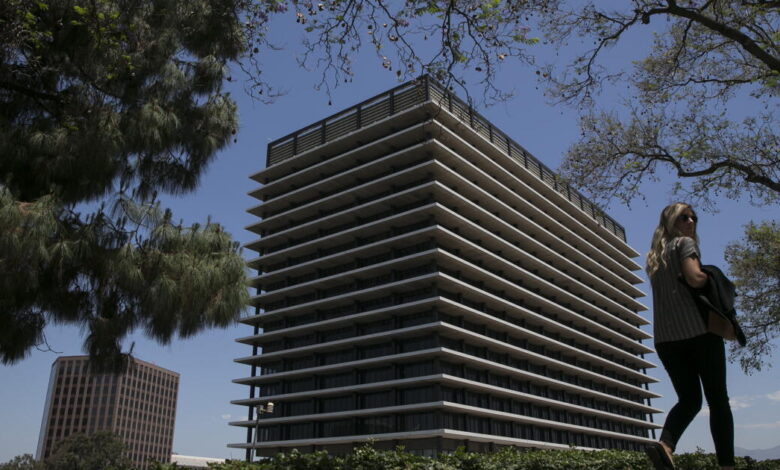
Elected officials have also pressed for systemic changes. Mayor Karen Bass called on the board to suspend disconnections ahead of the vote, stating that residents are opening unexpected and unaffordable bills. Bass also advocated for an independent, external audit of the DWP rate structure to evaluate service costs, examine rate design, and establish long-term affordability protections. City Councilmember Nithya Raman echoed the call for an audit, appearing alongside City Controller Kenneth Mejia outside the downtown DWP building to advocate for increased financial transparency and legislative oversight.
Controller Mejia noted that his office currently lacks the staffing capacity for proactive, frequent audits, stating that his eight available auditors complete only two to three audits annually. While Marks welcomed the prospect of an external review, he cautioned that the associated costs would ultimately fall upon ratepayers and noted that adjusting the underlying rate ordinance requires formal City Council approval. Base rates for water and power have remained unchanged since July 2019, though annual pass-through adjustments fluctuate to cover inflation and fuel expenses.
Timothy O’Connor, the city’s independent ratepayer advocate, supported the board’s action while pointing to legal constraints such as Proposition 26, which restricts the utility from charging more than the direct cost of service provision. O’Connor stated that the department is overdue for a rate update and requires a broader affordability strategy to support local customers. As part of its newly approved resolution, the DWP will review and develop recommendations to update its electricity rate ordinance and improve public education regarding billing practices.