MANILA — The Association of Southeast Asian Nations (ASEAN) is launching a new diplomatic push into Myanmar this week, with the bloc’s special envoy scheduled to lead a two-day humanitarian mission to the conflict-torn nation.
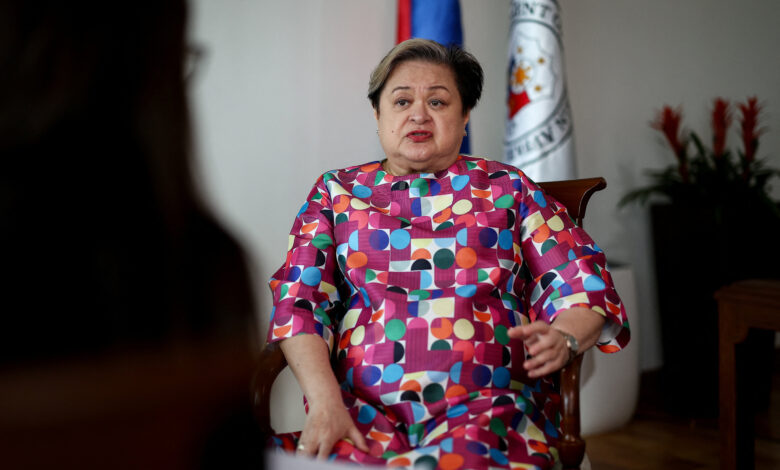
Ma. Theresa Lazaro, the Philippine Foreign Affairs Secretary serving as the ASEAN special envoy, is set to arrive in Myanmar on Wednesday. The mission, confirmed by the Philippines in its capacity as the current ASEAN chair, represents a significant attempt by the regional body to address a humanitarian catastrophe that has worsened steadily since the 2021 military coup.
The itinerary for the visit includes high-level engagements in the administrative capital of Naypyitaw, as well as a visit to Shan State. While the specific nature of the discussions in the capital remains undisclosed, the inclusion of Shan State is particularly relevant. The region has been a focal point of intense conflict between the military and various ethnic armed groups, contributing significantly to the country’s staggering displacement figures.
The mission comes at a period of extreme tension and diplomatic uncertainty. Despite the announcement from Manila, the military-led government in Myanmar has yet to officially confirm the visit. The relationship between the junta and the special envoy’s office has been fraught; as recently as August, the military authorities stated they no longer saw a need for a special envoy to facilitate regional mediation.
Lazaro’s trip also carries significant political implications. The foreign secretary has previously issued formal requests for access to Nobel laureate Aung San Suu Kyi. The former civilian leader has remained in detention since being ousted in the February 2021 coup. Whether this humanitarian mission will provide any breakthrough regarding Suu Kyi’s status or physical access to her remains a primary concern for international observers.
The humanitarian situation that Lazaro is tasked with addressing is dire. Estimates suggest that more than 100,000 people have been killed in the civil war following the coup. Displacement has reached critical levels, with over 3.5 million people forced from their homes as the military struggles to maintain control against a widespread resistance movement.
Diplomatically, the bloc remains divided on how to handle the military-backed government led by Min Aung Hlaing. Formally, Myanmar’s top military leadership is still barred from attending high-level ASEAN summits because of their failure to adhere to the ASEAN-led peace plan.
However, that consensus has shown signs of fracturing at the individual member-state level. Min Aung Hlaing, who was declared president in April following a lopsided election dominated by an army-backed party, has recently been welcomed for official visits by several neighbors, including Thailand, Malaysia, Vietnam, Cambodia, and Laos. These visits suggest a growing willingness among some Southeast Asian capitals to re-engage with the military leadership as it seeks to stabilize its standing both domestically and regionally.