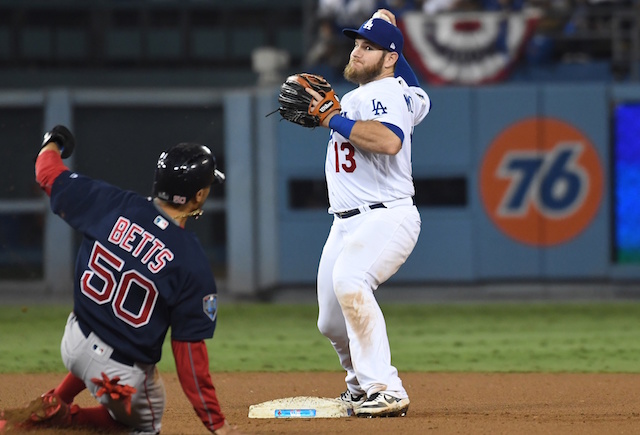
On October 26, 2018, the Los Angeles Dodgers and Boston Red Sox stepped onto the field for Game 3 of the World Series. Neither team—nor the thousands of fans in attendance—realized they were about to participate in a marathon that would rewrite the Major League Baseball record books.
At seven hours and 20 minutes, the contest became the longest World Series game ever played, both by time and by the number of innings. Spanning 18 innings, the game began on a Friday evening and bled into the early hours of Saturday, October 27, testing the endurance of every player on both rosters and pushing the limits of postseason strategy.
The Dodgers entered the night in a precarious position, trailing 2-0 in the series and facing the prospect of a nearly insurmountable 3-0 deficit. They took an early lead in the second inning when Joc Pederson connected for a solo home run. That slim 1-0 margin held for most of the night, as Los Angeles pitching kept the high-powered Boston offense at bay through seven tense frames.
The game shifted in the eighth inning when Jackie Bradley Jr. launched a solo home run of his own. The blast knotted the score at 1-1 and sent the game into what would become an unprecedented stretch of extra innings.
Drama peaked again in the 13th inning when the Red Sox managed to reclaim the lead. Following a leadoff walk and a throwing error on an infield single by Eduardo Núñez, Boston moved ahead, placing the Dodgers just three outs away from a disastrous series standing. However, the Red Sox endured their own defensive lapses in the bottom of the frame. Yasiel Puig delivered a clutch infield single that tied the game once more, extending the marathon.
In the 15th inning, Max Muncy came inches away from ending the night. He sent a deep fly ball toward the stands that hooked just a few feet foul. Red Sox pitcher Nathan Eovaldi, who put on a masterful performance in relief, eventually struck Muncy out to end that threat. The battle between the two continued for three more innings before reaching its final resolution.
The 18th inning finally provided the walk-off moment. Facing Eovaldi once more, Muncy connected with a fastball, sending it over the fence in left-center field. The home run ended the game and secured a vital win for Los Angeles. It was only the second walk-off home run in Dodgers World Series history at the time, joining Kirk Gibson’s legendary 1988 blast. Since then, only Freddie Freeman has joined that exclusive list with his walk-off grand slam against the New York Yankees in 2024.
Reflecting on the historic moment, Muncy described a sense of “pure joy” as he rounded the bases. He noted that Eovaldi had been dominant throughout his relief appearance. “He had really good stuff all night long and he wasn’t missing a spot,” Muncy said. “Next at-bat he tried to go backdoor cutter again, but he left this one a little over the plate. And thankfully for me he did that, because I was able to get my bat to it.”
For Muncy, the home run was the pinnacle of a breakout season. “It’s been a dream,” he said. “This whole year has been a surreal experience that it’s hard to put into words. But just getting a chance to play in the World Series has kind of capped it off.”