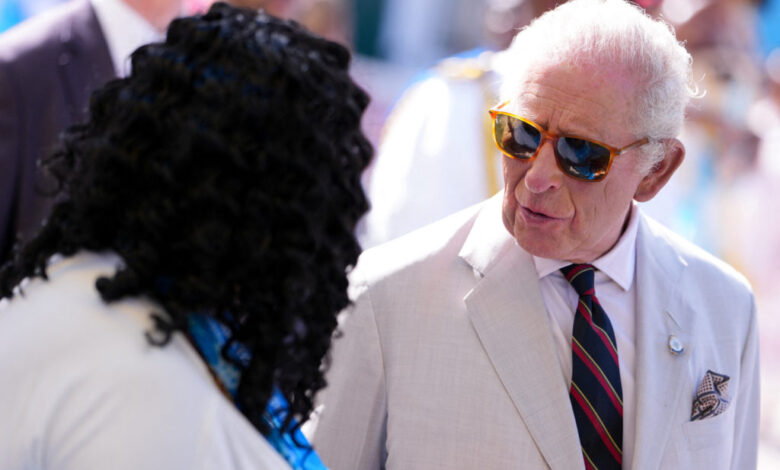
King Charles III begins a nine-day tour of the Bahamas, Guyana, and Antigua and Barbuda facing renewed demands that the British crown apologize and pay reparations for its historical role in the transatlantic slave trade. Palace officials indicate the monarch will reiterate previous remarks describing slavery as an atrocity that stains British history, but he is not expected to offer a formal apology.
During a youth rally in the Bahamian capital of Nassau, the king acknowledged the suffering of the past, stating that acknowledging past injustices is only right. However, historians and activists argue such language falls short. Brooke Newman, a history professor at Virginia Commonwealth University and author of The Crown’s Silence: The Hidden History of the British Monarchy and Slavery in the Americas, criticized the planned remarks as hollow, arguing they avoid genuine dialogue with descendants of enslaved people and effectively declare the matter closed.
Newman’s research documents the monarchy’s involvement in slavery spanning from the late 1500s through the abolition of the slave trade in 1807 and the end of slavery in the British Empire 26 years later. According to her work, Queen Elizabeth I supported sea captain John Hawkins in 1563 by lending a Royal Navy warship to raid West African ports and transport captives to Spanish colonies in exchange for a share of the profits. A century later, King Charles II granted exclusive trading rights along the West African coast to the Company of Royal Adventurers into Africa, later known as the Royal African Company. Both Charles II and his brother, the Duke of York—who later became King James II—invested in the enterprise, which expanded from commodities into the trafficking of enslaved Africans.
Pressure for reparations has intensified as Caribbean and African nations unite on the issue. In March, the United Nations General Assembly approved a resolution calling for reparatory justice, including a full apology and compensation for both historical enslavement and ongoing economic disparities, lower income levels, and reduced life expectancies affecting Black populations. The United Kingdom abstained from the vote.
Constitutional experts note that the king operates under the constraints of government policy. Craig Prescott, an expert on constitutional law and the monarchy at Royal Holloway, University of London, explained that the monarch speaks on behalf of the elected government rather than in a personal capacity, and long-standing government policy holds that reparations are not payable. Potential reparations could cost the U.K. hundreds of billions of pounds, presenting a major fiscal hurdle for a government managing cost-of-living pressures and public spending constraints.
The tour’s final four days will take place in Antigua and Barbuda, which is hosting a biannual meeting of Commonwealth leaders. The Commonwealth comprises 56 independent nations, and the British monarch serves as head of state for 14 countries outside the U.K.
Hilary Beckles, vice chancellor of the University of the West Indies and chair of the Caribbean Community’s reparations commission, appealed to Charles to respond as an individual rather than as a monarch or head of the Commonwealth. Beckles argued that the family wealth passed down to current generations derived directly from the chattelization of African people.
Similar tensions marked past royal engagements, including a 2007 commemoration at Westminster Abbey marking the bicentenary of the abolition of the slave trade, where activist Toyin Agbetu interrupted proceedings to demand an apology for leaders celebrating abolition without acknowledging the foundational suffering of slavery. Newman emphasized that the legacies of colonialism and slavery continue to resonate, noting that contemporary challenges cannot be resolved with brief acknowledgments.