
When a phone call arrives from someone claiming to be your bank, hearing your correct name, address, and date of birth can quickly dispel initial suspicions. Yet security experts warn that this exact verification routine is often a trap constructed by criminals who have stitched together personal data harvested from routine online account sign-ups.
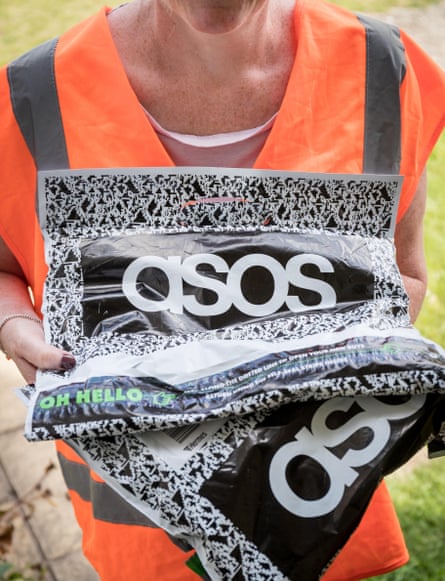
Dates of birth are frequently requested by retailers, loyalty schemes, newsletters, and online competitions, creating vast repositories of sensitive information vulnerable to breaches. For instance, customer dates of birth were among the personal details compromised during a recent cyberattack on online retailer Asos. Cybersecurity professionals now advise internet users to resist providing their actual date of birth when creating accounts, suggesting they either leave the field blank or enter a false date to frustrate attempts at data profiling.
Jake Moore, a global cybersecurity adviser at ESET, explains that while a date of birth in isolation may seem harmless, its real danger lies in combination with other identifiers. Stolen information is frequently sold on the dark web and deployed by fraudsters to build trust or impersonate victims. A date of birth alone is not particularly valuable to criminals, but combined with other information, such as names and phone numbers, it helps criminals commit identity fraud.
Retailers often insist on collecting this data for commercial advantage. Alexandre François, a scam investigator for intelligence firm WhoisXML API, surveyed 14 retailers and found that eight required a date of birth during the registration process. Retailers may have little incentive to remove the field because full birth dates provide customer age data useful for marketing and targeted advertising.
When retail databases are breached and leaked data reaches the dark web, the consequences can unfold over months or years. Serpil Hall, a security expert with Datos Insights, notes that stolen retail details are often cross-referenced with credentials, phone numbers, and public information from social media profiles, employment history, and relatives. The process typically begins with a retail breach providing a name, date of birth, email, and address. Subsequent leaks add credentials and identifiers, resulting in an enriched identity profile that gives scammers greater confidence when targeting victims.
Experts recommend maintaining a healthy skepticism toward unsolicited communications, even when callers possess detailed personal records. To minimize exposure, users are advised to avoid filling out non-mandatory personal fields entirely. For low-risk websites where a date of birth is mandatory, security specialists suggest using a consistent alternative date, such as the first day of your birth month, to prevent memory lapses. Additionally, consumers can isolate shopping activity by utilizing a separate email address that can be abandoned if caught up in a data breach.
According to François, genuine verification should be strictly reserved for institutions where identity must be legally proven against official records, such as banks, lenders, tax authorities, licensing agencies, and official employment or legal checks. Retailers require only payment details and a delivery address, except when age verification is legally mandated for restricted items like knives. A shop is not an official verification system, and leaving a birthday field blank remains the safest defensive measure.