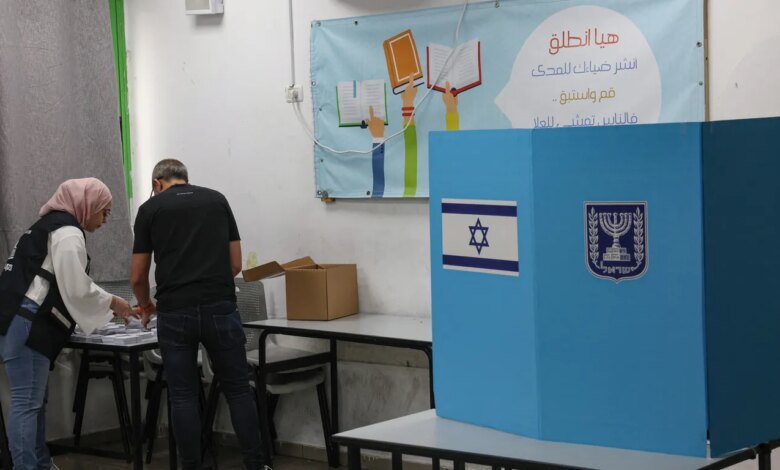
In a historic surge of civic participation, Israeli voter turnout reached 45 percent by the midday mark on Tuesday, marking the highest level of engagement recorded at this stage of an election since 1973. The record-breaking numbers suggest a highly energized electorate in what has become one of the most consequential votes in the nation’s history, as rival political camps warn that the results will determine the country’s long-term future.
For Prime Minister Benjamin Netanyahu, the high participation rate presents a significant mathematical hurdle. Political analysts note that increased turnout often works against the prime minister’s right-wing bloc by shifting the electoral threshold. This threshold represents the minimum percentage of the national vote a party must secure to enter the Knesset. If the surge in total votes pushes that floor higher, several smaller parties within Netanyahu’s coalition risk falling short of representation. This development would make it nearly impossible for the prime minister to secure the 61-seat majority required to form a government.
A major contributor to the turnout figures appears to be a significant mobilization within Arab minority communities. Observers suggest that increased participation in these districts could lead to a record number of parliamentary seats for Arab-led parties, further complicating the coalition arithmetic for the incumbent government.
As the afternoon progressed, Netanyahu attempted to galvanize his supporters by returning to familiar and controversial campaign tactics. He has made a series of unsubstantiated claims throughout the day, alleging that supporters of the “Muslim Brotherhood” aligned with his political rivals are attempting to “steal the elections.” These assertions are seen as a late-stage effort to drive his base to the polls as the record turnout continues to trend against his bloc’s interests.
The logistical strain of the high turnout has been evident across the country. Reports of unusually long lines at many polling stations prompted the Central Elections Commission to issue formal orders to expedite the voting process. To ensure no citizen is disenfranchised by the delays, the commission clarified that any voter who arrives at their designated station by the 10 p.m. local time deadline will be permitted to cast their ballot.
This election is functioning as a definitive referendum on Netanyahu’s leadership and the political trajectory he has established over the last four years. Crucially, it provides Israeli citizens their first opportunity to weigh in on the security failures that preceded the Hamas-led attacks on October 7. The electorate is essentially being asked to choose between holding the prime minister accountable for those lapses or rewarding him for the military successes he claims to have achieved during the three years of war that followed the assault.
Polls are scheduled to close at 10 p.m. local time (4 p.m. ET), at which point the country’s three major television networks will simultaneously release their exit polls. These projections will offer the first indication of whether the high turnout has fundamentally reshaped the Israeli political landscape or if the incumbent can survive the surge.