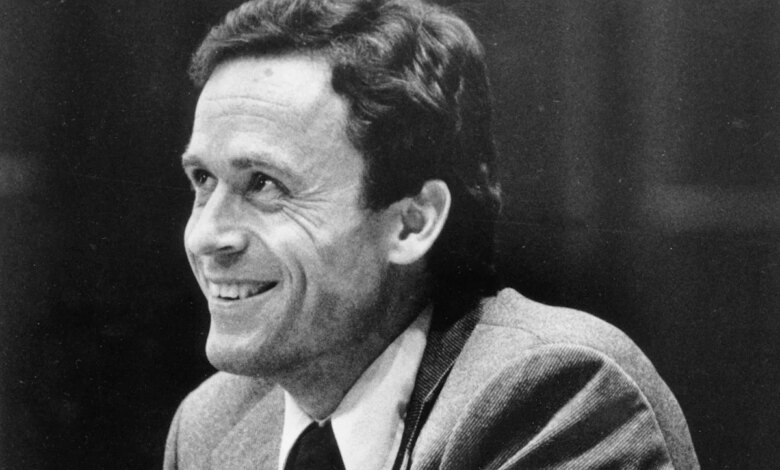
Authorities in Summit County, Utah, are scheduled to hold a press conference on Tuesday to formally link serial killer Ted Bundy to another homicide dating back to the mid-1970s. The announcement marks the latest development in a decades-long effort to provide closure for families whose cases went cold during Bundy’s multi-state killing spree.
The Summit County Sheriff’s Office and the County Attorney’s Office stated that the upcoming briefing will disclose specific details regarding the investigation and the findings that led investigators to conclude Bundy was responsible. While officials have not yet publicly released the victim’s name, local investigators have long scrutinized the 1974 disappearance and death of 17-year-old Melissa Ann Smith as a primary cold case candidate for such a link.
This move by Summit County follows a similar announcement in April, when Utah authorities officially attributed the murder of 17-year-old Laura Ann Aime to Bundy. Aime disappeared on Halloween in 1974, and her case remained unresolved for nearly fifty years until forensic advancements allowed investigators to definitively tie her death to the notorious killer.
Bundy was executed in 1989 via the electric chair at a Florida prison for the 1978 murders of two women at the Chi Omega sorority house at Florida State University. In the days leading up to his execution, Bundy provided a series of confessions to law enforcement, admitting to the murders of at least 30 women and girls across several states during the 1970s. Many of those confessions involved crimes that were previously unknown to police, and while some victims survived his attacks, the true extent of his crimes has remained a subject of ongoing investigation.
Despite Bundy being dead for nearly 40 years, the tally of his confirmed victims has continued to grow. Officials credit these breakthroughs largely to significant advances in DNA testing and forensic technology, which have allowed cold case units to re-examine evidence recovered from crime scenes decades ago. Many of Bundy’s confessions from the late 1980s were non-specific or lacked the physical evidence required for a formal confirmation at the time, leaving a gap between his admissions and official closure for the victims’ families.
Tuesday’s news conference is expected to detail the specific evidence used to bridge that gap in this latest case. Summit County officials indicated that the presentation will cover the final investigative steps that led to their conclusion and the formal decision to close the file on the decades-old homicide.