As the midterm elections approach, political commentary and analysis focus on the shifting tactics of the Republican Party, with observers noting a prominent reliance on identity-based grievances and revived anti-Muslim rhetoric. With various high-profile races unfolding across the country, political analysts point to a broader pattern of political messaging that departs from traditional conservative strategies.
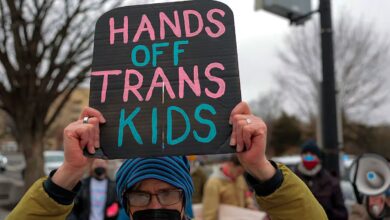
In recent months, political campaigns have seen various appeals centered on cultural and demographic flashpoints, ranging from attacks on transgender Americans to immigration-focused rhetoric. While earlier phases of the political cycle featured intense focus on immigration from Latin America and Haiti—including unfounded claims popularized by party leadership regarding Haitian immigrants—attention has increasingly turned toward anti-Muslim sentiment reminiscent of earlier political eras.
This rhetorical approach draws on precedents established over the past decade, including the 2017 executive order restricting travel from several Muslim-majority nations, which faced extensive legal challenges before being upheld by the Supreme Court in 2018. Political commentators note that prominent figures have intensified verbal attacks on Muslim political figures and candidates.
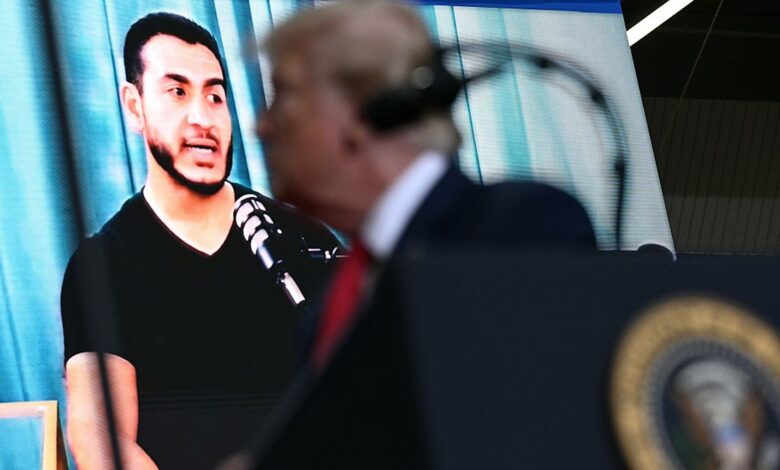
Among those targeted is Rep. Ilhan Omar, D-Minn., who has faced frequent criticism from party leadership. Commentary highlights remarks directed at Minnesota’s Somali American community by national figures, as well as attacks on Democratic candidates such as Michigan-born Senate nominee Dr. Abdul El-Sayed. Recent campaign speeches have featured harsh characterizations from figures including Vice President JD Vance and Health and Human Services Secretary Robert F. Kennedy Jr., whose claims regarding the global Muslim population have been widely criticized as inaccurate.
Analysts contrast this overt messaging with historical Republican strategies popularized by strategists like Lee Atwater, who famously advised utilizing coded language and dog whistles—such as references to welfare or law and order—to appeal to conservative voters without alienating suburban moderates. Modern campaign discourse, by contrast, has largely discarded such subtlety, marking a shift toward more explicit confrontation on cultural and religious lines.