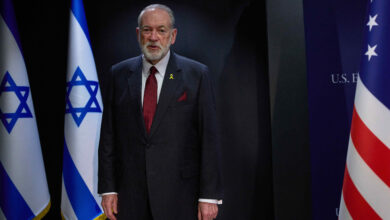
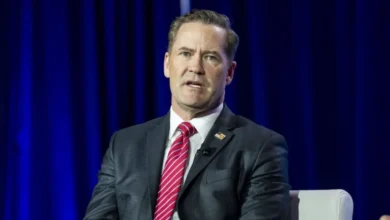
Many Iranians are bracing for a potential return to all-out war as Israeli and U.S. leaders sharpen their rhetoric ahead of high-stakes elections in both countries. In Tehran, residents are growing increasingly anxious, with some preparing to evacuate the capital as the conflict approaches a dangerous turning point eight months after fighting first erupted.
Israeli Prime Minister Benjamin Netanyahu, facing a close vote, has stated that Iran’s leadership must be eliminated. Meanwhile, U.S. President Donald Trump has vowed to finish the job in Iran, backed by the deployment of a third aircraft carrier and thousands of troops to the region. Analysts and residents alike fear that new attacks could materialize around the time of the U.S. midterms on November 3.
Iran’s leadership anticipates that new strikes are likely regardless of the U.S. election outcome, according to Sasan Karimi, a former government official and foreign policy professor at the University of Tehran. Karimi noted that the administration is actively planning for various scenarios to take remedial measures.
In response to mounting pressure, Iran has renewed threats against U.S. military bases and regional allies, warning of potential attacks on new targets such as undersea data cables in the Strait of Hormuz. Commercial shipping through the strait has faced a surge in reported attacks this month, reaching levels not seen since the opening weeks of the war in March. Concurrently, a U.S. naval blockade on Iranian ports has restricted oil exports, forcing trade to shift overland and causing trucks to pile up at borders.
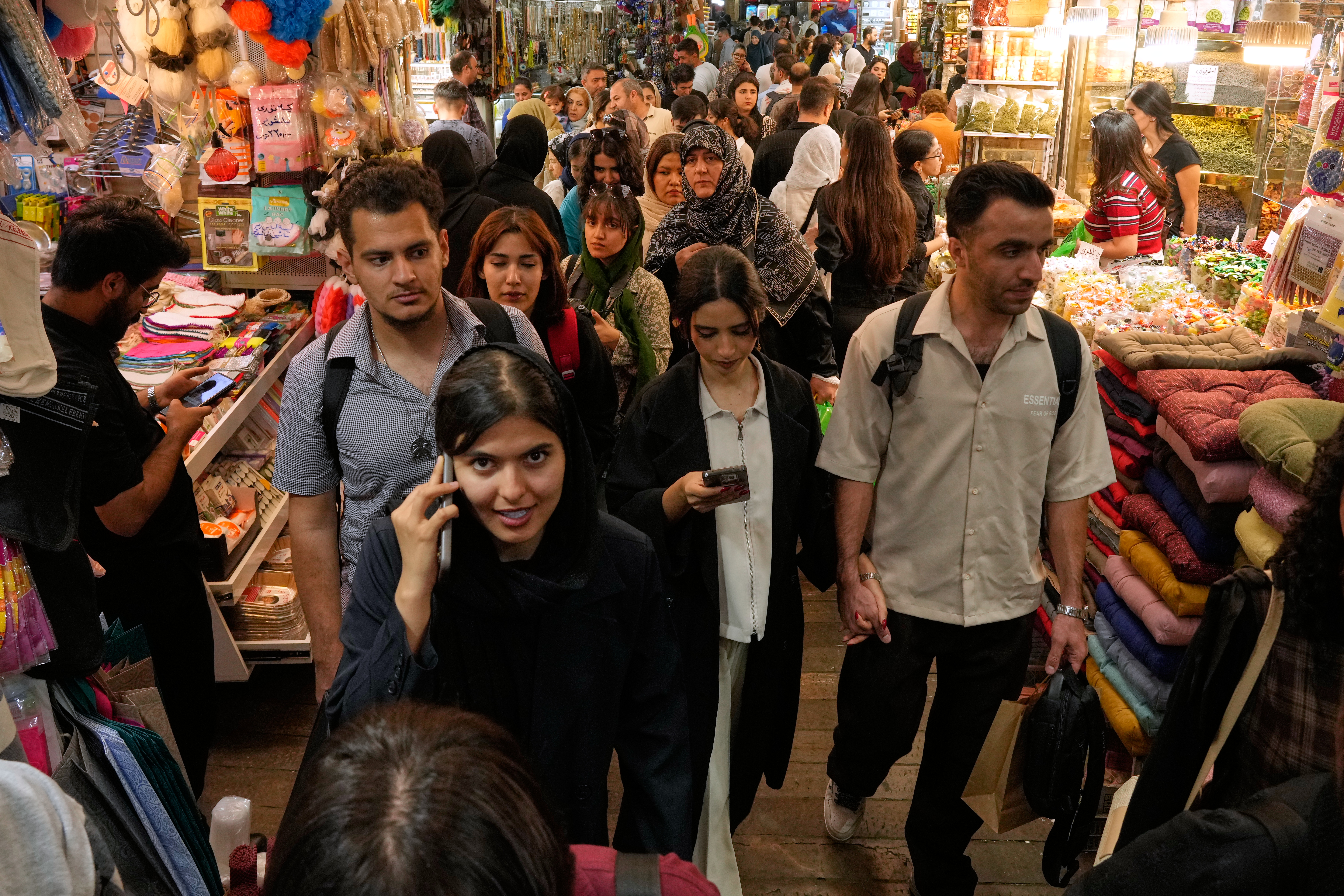
The blockade has exacerbated medicine shortages inside the country, though food supplies remain available. The broader economic toll has been severe, with the national currency hitting record lows over the past year, sending inflation soaring and eroding civilian purchasing power. Basic household staples have become increasingly unaffordable, even for the middle class. Rice prices have climbed over 60%, and beef has surged by more than 150% since the war began.
Mohammad Mohammadi, a 36-year-old resident, noted that a routine supermarket trip can consume half of a mid-range monthly salary of 400 million rials, roughly $150. Despite the steep prices, residents like 39-year-old Mohammad Abedi are purchasing extra supplies such as cooking oil, rice, and dried dates out of fear that conditions will deteriorate further.
Iranian officials have accused Washington of orchestrating economic warfare designed to foment domestic unrest. Mohammad Bagher Qalibaf, the parliamentary chief and lead negotiator in past talks, told officials this month that economic pressure forms the main axis of the campaign against Tehran. President Masoud Pezeshkian has similarly characterized the current moment as a dangerous turning point, as the government attempts to manage economic fallout while maintaining consensus within the Islamic Republic’s political structure. Memories remain fresh of nationwide economic protests that triggered a deadly crackdown shortly before the war began.
Political moderates have pressed for renewed diplomatic engagement to stabilize the economy. Politician Mohsen Hashemi Rafsanjani warned in an editorial published this month in the reformist daily Saazandegi that soaring exchange rates have severely complicated governance. However, Karimi argued that economic pressure will not alter Tehran’s negotiating stance, maintaining that the leadership calculates its strategy entirely around resistance.
Diplomatic channels have shown little movement. Last month, Trump rejected an Iranian proposal to end the war and fully reopen the Strait of Hormuz within a week under specific conditions, including lifting the naval blockade. Publicly, little progress has been reported regarding mediated negotiations.
Tehran still bears visible scars from U.S. and Israeli strikes during the height of the war in March and April, which damaged or destroyed thousands of homes. As anxiety mounts, gym trainer Hashem Vajdani, 45, said he has packed his belongings to relocate to a safer town in northern Iran, supplementing his preparations with canned food, crackers, and extra blankets.
Civilians face the prospect of a heavier toll if fighting resumes. Thousands of people have already been killed in the conflict, and Trump has repeatedly threatened to target power plants and critical infrastructure. Public anger toward the U.S. administration is visible in a newly installed billboard at a major Tehran square featuring a Trump impersonator behind bars alongside footage of a deadly strike on a wedding party in southern Iran attributed to the U.S.
Looking toward the ballot boxes, Tehran-based analyst Rahman Ghahremanpour suggested that the elections will reflect widespread frustration with the war. He noted that if Netanyahu remains in power, the probability of resuming all-out war increases due to his willingness to assume major risks. Nonetheless, many ordinary residents remain skeptical that foreign elections will alter bilateral hostility.