The Federal Trade Commission has filed a major lawsuit against Dollar General, alleging that the discount retailer engaged in “long-running deceptive pricing practices” by charging customers higher prices at checkout than those listed on store shelves and in advertisements.
The legal action, filed in the U.S. District Court for the Middle District of Tennessee, represents a massive joint effort between federal regulators and 20 states across the country. According to the complaint, Dollar General has been aware of the pricing discrepancies for an extended period but failed to rectify the situation despite what regulators describe as “extensive corporate knowledge of the problem.”

Christopher Mufarrige, director of the FTC’s Bureau of Consumer Protection, stated that the company’s actions have caused significant financial harm, particularly in communities where shoppers are already struggling with the cost of living. “Dollar General has betrayed the trust of millions of American consumers and imposed significant financial harm on communities and consumers who are already struggling to make their paychecks last,” Mufarrige wrote in a statement accompanying the filing.
The lawsuit specifically targets the discrepancy between the prices displayed to shoppers as they browse the aisles and the final price scanned at the point of sale. Regulators allege that these practices were not isolated incidents but part of a broader pattern of deceptive behavior. Despite internal awareness of the issues, the complaint alleges that the company did not take the necessary steps to ensure that register totals matched the advertised shelf prices.

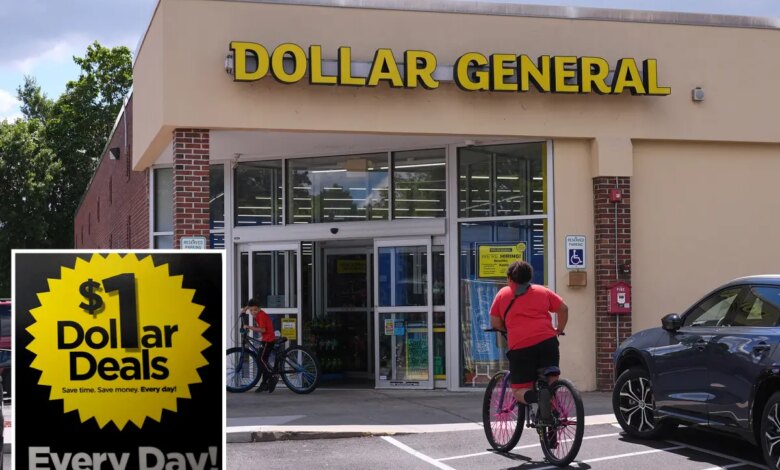
Headquartered in Goodlettsville, Tennessee, just outside of Nashville, Dollar General operates thousands of locations nationwide, often serving as the primary grocery or general merchandise source for rural and low-income areas. The company did not immediately provide a response to the allegations or the filing of the suit.
The coalition of states joining the FTC in this legal challenge is geographically diverse, reflecting the national footprint of the retailer. The list of participating states includes Alabama, Arizona, Arkansas, California, Connecticut, Florida, Illinois, Iowa, Kansas, Louisiana, Michigan, Mississippi, Nebraska, New Jersey, North Carolina, Ohio, Oklahoma, Tennessee, Utah, and Wisconsin.
The lawsuit comes at a time of heightened consumer sensitivity regarding retail transparency. American shoppers have expressed increasing frustration over rising costs and evolving pricing strategies across the retail and restaurant sectors. Beyond simple inflation, public concern has grown regarding the use of sophisticated methods, including artificial intelligence tools, to set and adjust prices. This legal action against Dollar General focuses on the fundamental accuracy of the price tag on the shelf, which regulators argue is a cornerstone of consumer trust.
The complaint seeks to address the financial impact on households that rely on discount chains for essential goods. For many of these consumers, even small price differences at the register can disrupt a tight weekly budget. By filing in the Middle District of Tennessee, regulators are bringing the case to the company’s home region, emphasizing the alleged systemic nature of the pricing failures.