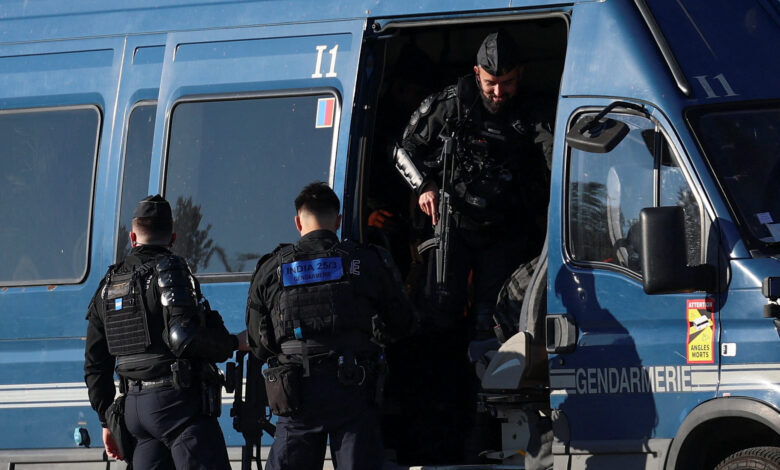
France is mobilizing a security force of 70,000 police officers to contain widespread demonstrations expected across the country on Saturday, as mounting public anger over living standards, public services, and government policy threatens to erupt into renewed violence. The nationwide protests, coinciding with Halloween, arrive two weeks after unexpected riots and looting left widespread damage to retail shops and public buildings in urban centers throughout the nation.
Interior Minister Laurent Nunez outlined the extensive security posture during a news conference, characterizing the upcoming demonstrations as carrying an exceptionally high risk of disorder. Nunez vowed a zero-tolerance approach to property destruction and clashes. Authorities are particularly watchful for participants attempting to use Halloween masks to conceal their identities, noting that existing laws empower law enforcement to ban face coverings when public safety is threatened. Meanwhile, the U.S. Embassy has issued travel advisories warning citizens to steer clear of designated demonstration zones and large public gatherings.
The unrest began building in late September as President Emmanuel Macron’s minority administration initiated negotiations for the 2027 budget. Confronted with public debt nearing 120% of the nation’s economic output alongside climbing borrowing expenses, the government faces severe constraints in its fiscal planning. This financial pressure has collided with widespread grievances. Students frustrated by deteriorating school facilities, overcrowded classrooms, and disputed university admission protocols have joined forces with labor unions and a resurging Yellow Vest movement demanding immediate relief from the rising cost of living.
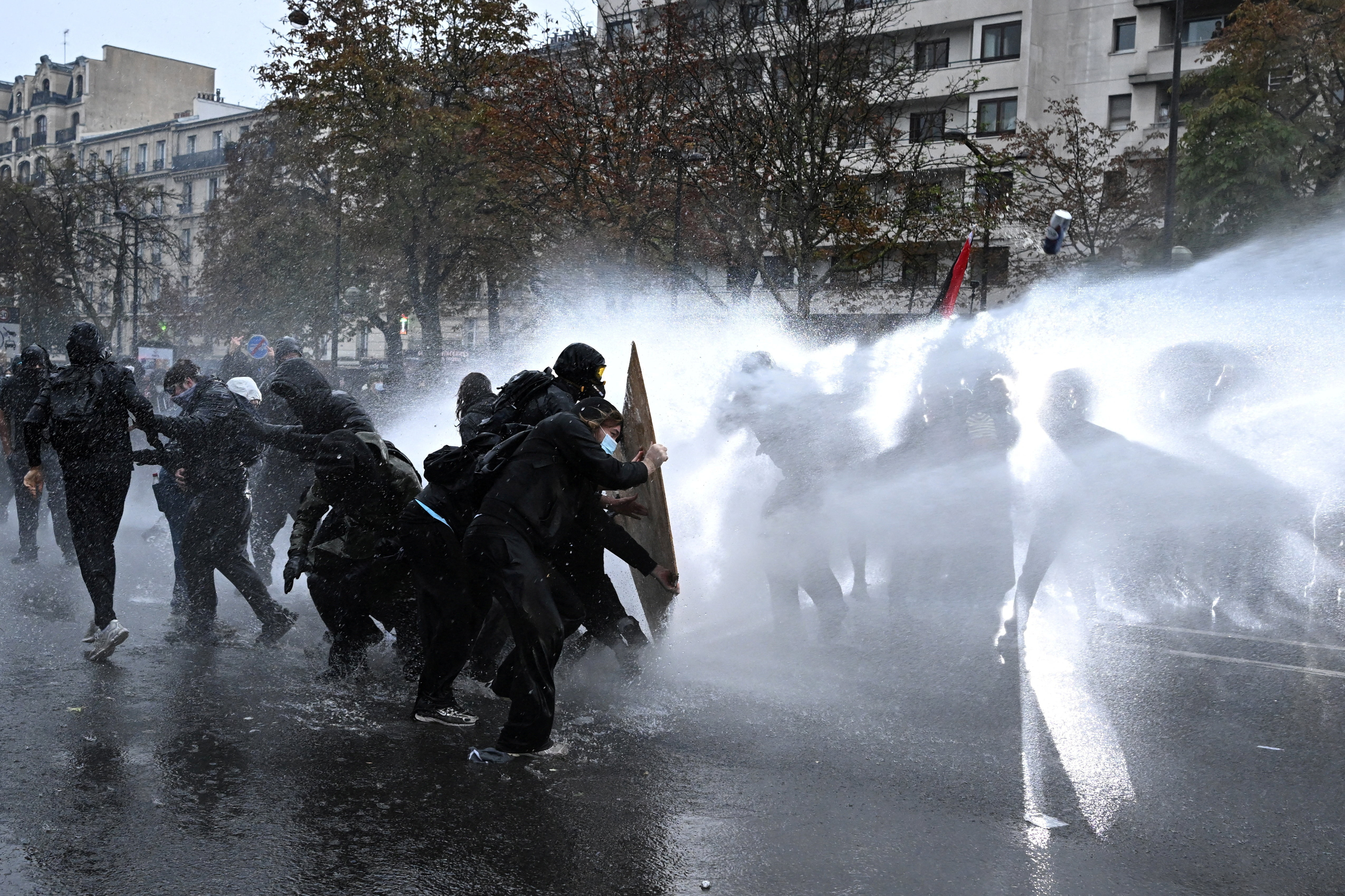
The movement has also resonated beyond French borders, inspiring youth-led demonstrations elsewhere in Europe, with similar protests scheduled across more than German cities on Saturday. Government pledges to address education reform and alleviate fuel expenses have failed to quell public discontent. Aaron Berthier de Grandry, a 15-year-old high school student in the Paris suburb of Nogent-sur-Marne who intends to participate in his third straight weekend of demonstrations, expressed deep pessimism regarding the nation’s trajectory. When I was little, I was told young people were the future, Berthier de Grandry said. Well, if we, as the future of France, lack resources, that means France will end up collapsing.
The political fallout has provided momentum to far-right leader Marine Le Pen, who currently leads public opinion polls ahead of the presidential election scheduled for April, while centrist figures positioning themselves as potential successors to Macron remain fractured. Economically, the country faces additional headwinds following data released Friday showing a contraction in third-quarter economic output. The Chamber of Commerce estimates that retail losses have surpassed €1 billion, or approximately $1.1 billion, with alternative assessments suggesting total costs could reach double that figure when factoring in uninsured property damage and lost business revenue. Along major commercial boulevards in Paris, early festive holiday illumination now frames plywood-covered storefronts and security shutters, following targeted looting that previously struck high-end luxury outlets including Hermès, Louis Vuitton, and Burberry.
In response to the property destruction, the government is advancing contentious legislation that would hold individual rioters financially liable for up to €10,000, roughly $11,000, for damages caused personally or by crowds they are associated with. Civil liberties organizations and legal experts have criticized the proposal, warning that the financial penalty mechanism could infringe upon constitutionally protected rights to peaceful assembly.