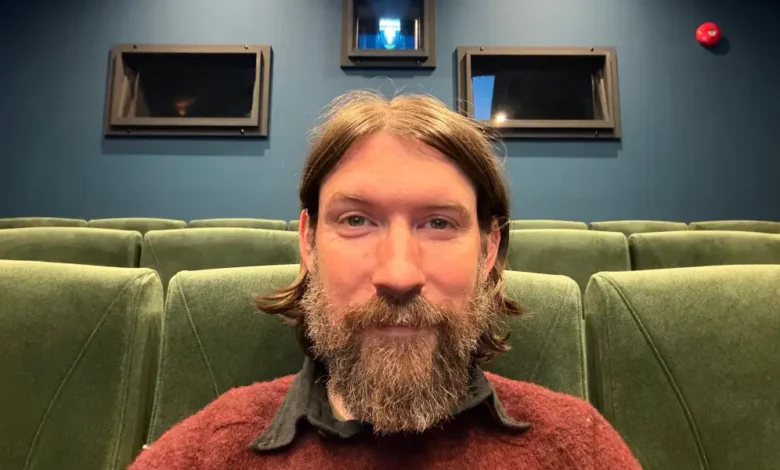
When Matthew Kelson left his position at streaming giant Netflix and decided to put down permanent roots in Japan, he did not look for a traditional corporate desk job or an apartment in a bustling metropolis. Instead, the 43-year-old father of two moved to Uenohara, a small town situated about an hour and a half by train from Tokyo, and embarked on an ambitious project to convert an abandoned kindergarten into an independent movie theater named CineYama.
Kelson’s journey into the film industry began decades earlier. Growing up in the Detroit area of Michigan, he discovered the Detroit Film Center at age 23, where he took a filmmaking course before working as a teacher and projectionist. He later became an usher and eventually a theater manager at an independent art house in the Detroit suburbs. At age 25, using his own savings, he successfully renovated an old school auditorium into a functioning theater in Michigan, though that venue ultimately closed after two years following a dispute with the landlord.
Seeking a fresh start, Kelson moved to Los Angeles in 2011. After knocking on doors of various film distributors, he secured an internship at an independent distribution firm and steadily worked his way up. Two years later, he landed a role on the creative team at Netflix. The company eventually relocated him to Tokyo in 2020. He spent two years based in the capital before moving to Uenohara, traveling extensively across Asia for screenings and working remotely. Following a corporate restructuring, he left Amazon in 2024.
Deciding to stay in Japan—where he obtained permanent residency through the highly skilled professional fast-track program in December 2024—Kelson began looking for a way to utilize his expertise in cinema and give back to his new community. While scouting for locations, he discovered the vacant kindergarten property. Securing the necessary permits, however, proved to be an intricate and demanding bureaucratic hurdle.
The process required lengthy negotiations with city hall officials and local residents to explain his intended use of the building, establish his company, and satisfy strict fire, health, and construction regulations—all in a language he did not speak fluently. He quickly realized that aggressive persistence was ineffective in the local cultural context, noting that the key to success was patience, building trust, and proving to residents that he was serious and committed to the neighborhood.
After forming his company and spending a full year on renovations, Kelson opened the doors to CineYama in March. The venue operates largely as a family-run establishment, with Kelson managing day-to-day operations, his wife assisting when possible, and his young children helping stamp tickets.
Tickets are priced at 1,500 Japanese yen, equivalent to about $9.50, with special discounts available for seniors and local residents. Programming focuses on independent content that is difficult to find elsewhere, designed to offer viewers diverse perspectives on different ways of life and global cultures.
Although the elderly residents of Uenohara initially approached the project with caution, a preview screening changed their perspective, leaving them impressed to see the neglected building cleaned up and put back into active community use. Kelson notes that creating a welcoming space for children and families remains a central priority for the independent cinema as it establishes its place in the regional arts landscape.