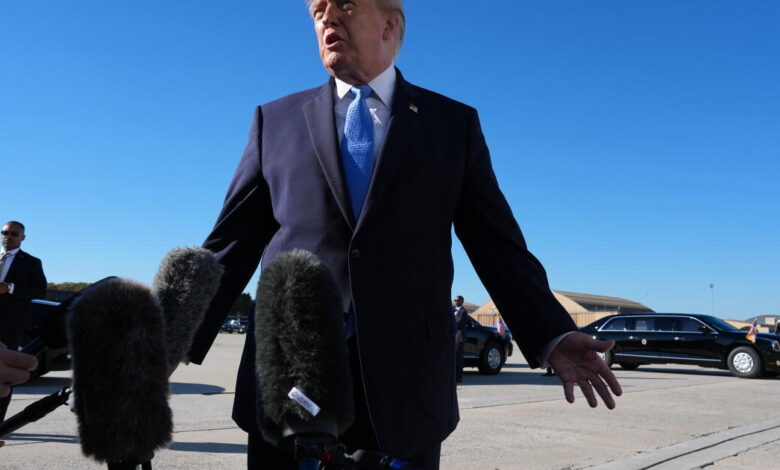
President Trump announced Monday that he is offering a $1 million reward for information leading to the arrest and conviction of individuals involved in voter fraud, a move that significantly escalates his administration’s efforts to challenge the integrity of the upcoming 2026 midterm elections.
Writing on the Truth Social platform, Trump stated that the bounty applies to those who report fraud in previous cycles or the upcoming midterms. The offer arrives at a critical juncture for the Republican Party, which faces significant political headwinds and the potential loss of congressional control. The president stated that the payment would be issued upon the arrest and conviction of those who created the fraud.
While the announcement outlined the financial incentive, it did not specify the logistical framework for submitting tips to the federal government. Furthermore, it remains unclear which specific agency or body would be responsible for verifying claims to determine if they qualify for the million-dollar payout. The White House has declined to provide additional details beyond the social media announcement.
The reward program is the latest in a series of aggressive interventions by the administration as the November 3 election approaches. In Alaska, the administration has moved to invalidate a potential Democratic victory in a U.S. Senate race. Simultaneously, in California, officials are pushing to segregate ballots from voters whom the administration has categorized as likely noncitizens.
The $1 million bounty follows the launch of a separate administration program last week designed to compensate individuals for information used to combat fraud. During an Oval Office meeting with reporters, Trump asserted that he would personally oversee the distribution of funds for that initiative, though it remains unconfirmed if he will play the same role for the new million-dollar reward.
“I will be the arbitrator of all of these decisions,” Trump told reporters regarding the earlier program. “In other words, I’ll determine whether or not the person is deserving, and I’ll determine, and I will be very generous.”
Critics have pointed to a pattern of contradictory messaging from the administration regarding election integrity. While the president has frequently called for “honesty” in the voting process and urged Republicans to “nationalize” voting rules, he has also made controversial remarks to his base. At a Republican Party convention in Dallas this past September, Trump reportedly told supporters to “cheat like hell, like they do,” while simultaneously casting doubt on the legitimacy of California’s primary elections.
Those allegations of cheating in California were previously investigated by the U.S. attorney’s office in Los Angeles. That office, led by a Trump appointee, found no evidence to support the claims. Nevertheless, the administration continues to push for tighter restrictions on mail-in ballots and more centralized federal control over local election processes.
The political stakes of these maneuvers are high as polling suggests the president’s popularity has cooled amid voter concerns over the economy. In response, Trump has utilized various financial promises to mobilize supporters in red states. This includes a controversial pledge to provide every American adult with $5,000 if Republicans retain their majority in Congress—a proposal that drew sharp criticism from both sides of the aisle, with some characterizing the offer as a potential bribe.
As the administration doubles down on its narrative of systemic fraud, the focus remains on how these federal interventions will influence voter turnout and public confidence in the 2026 results. For now, the specific legal standards required for a tip to result in a payout remain unaddressed by the administration.