A federal judge in Los Angeles expressed strong skepticism Tuesday toward a Trump administration request to immediately block state and local officials from counting approximately 20,000 ballots cast by voters whose citizenship has been challenged by the federal government. Following a three-and-a-half-hour hearing, U.S. District Judge David O. Carter indicated he would issue his ruling on Wednesday.
Carter questioned the origin and reliability of the data and algorithms used by federal authorities to compile the list of suspect voters, warning that granting the administration’s demands would represent a monumental change to California elections and risk disenfranchising eligible citizens. He also admonished federal prosecutors that other avenues exist for handling illegal voting without disrupting ongoing election administration.
“This court believes it would be wise — that it would be wise — that any threats to state and county elected employees cease immediately,” Carter said at the conclusion of the session, issuing a direct rebuke regarding formal letters sent last week by the Justice Department to election officials across California warning of potential criminal penalties if they tabulated the flagged votes.
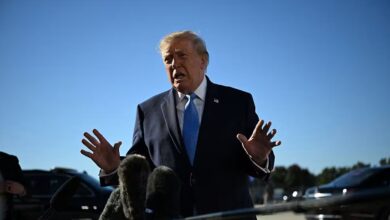
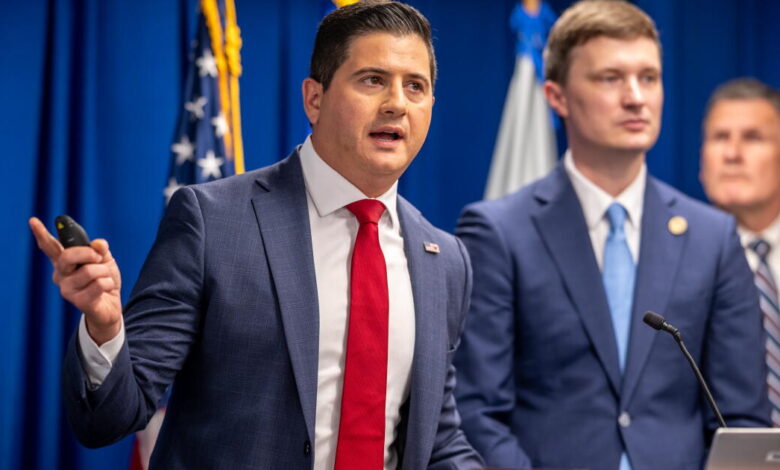
First Assistant U.S. Attorney Bill Essayli, arguing on behalf of the administration, defended the federal posture after the hearing. He maintained that American voters are being disenfranchised in real time and suggested the administration would likely appeal an adverse ruling back to the appellate court. Essayli denied that federal letters constituted intimidation of state officials, asserting that the government sought only a narrow injunction to segregate the ballots of suspected noncitizens until their citizenship could be verified.
Monday’s court proceedings followed a procedural detour. Justice Department attorneys had bypassed Carter last week after he did not immediately acquiesce to their deadline for a temporary restraining order, taking their request directly to the U.S. 9th Circuit Court of Appeals. However, a three-judge panel ruled 2-1 on Monday that it lacked jurisdiction because Carter had not yet issued a formal ruling, returning the dispute to his courtroom.
During Tuesday’s arguments, state attorneys representing California Secretary of State Shirley Weber and Los Angeles County Registrar-Recorder/County Clerk Dean Logan lambsted the federal demands as legally baseless and unworkable. Deputy Attorney General Michael Cohen argued that the administration’s challenge targets a standard set by Congress allowing voters to attest to their citizenship under penalty of perjury. Another deputy attorney general, Anne Bellows, characterized the federal intervention as an illegal attempt to upend established state election frameworks.
Attorneys for voting rights organizations also challenged the administration’s reliance on third-party data providers, such as LexisNexis, arguing such datasets are untrustworthy for verifying citizenship status. The litigation forms part of a broader nationwide effort by the Trump administration to intervene in state-run elections over concerns about noncitizen voting, a phenomenon elections experts maintain is exceedingly rare.
While the 9th Circuit panel dismissed the administration’s appeal on jurisdictional grounds, two judges in the majority, Mark J. Bennett and Gabriel P. Sanchez, wrote independently to note they would have ruled against the government on the merits, citing federal laws barring election interventions close to voting dates and constitutional reservations of election authority to states. Dissenting Judge Patrick J. Bumatay argued the federal government requires the authority to safeguard election integrity.
California currently has more than 23 million registered voters. Carter has previously rebuffed separate administration litigation demanding unredacted voter rolls, mirroring rulings by other federal judges nationwide against executive efforts to mandate new nationwide voting requirements.