Family Caregivers Spend Over Eleven Thousand Dollars Annually on Out-of-Pocket Costs, Study Shows


Millions of families are spending five-figure sums to care for adult relatives and friends, according to a new report from AARP. The study found that caregivers spent an average of $11,508 out of pocket this year, representing an increase of nearly 60% from the $7,242 average recorded five years ago.
The findings are based on a survey conducted in June and July that included more than 2,500 adults who provide assistance to an adult relative or friend. Researchers noted that the sharp rise in expenses likely stems from several factors, including the purchase of different or additional types of support, a broader range of covered care expenses, and the management of more intensive or complex health needs. Additional contributors may include the post-pandemic resumption of services, enhancements to the 2026 questionnaire, and shifts in the demographic makeup of the caregiver population between survey periods.
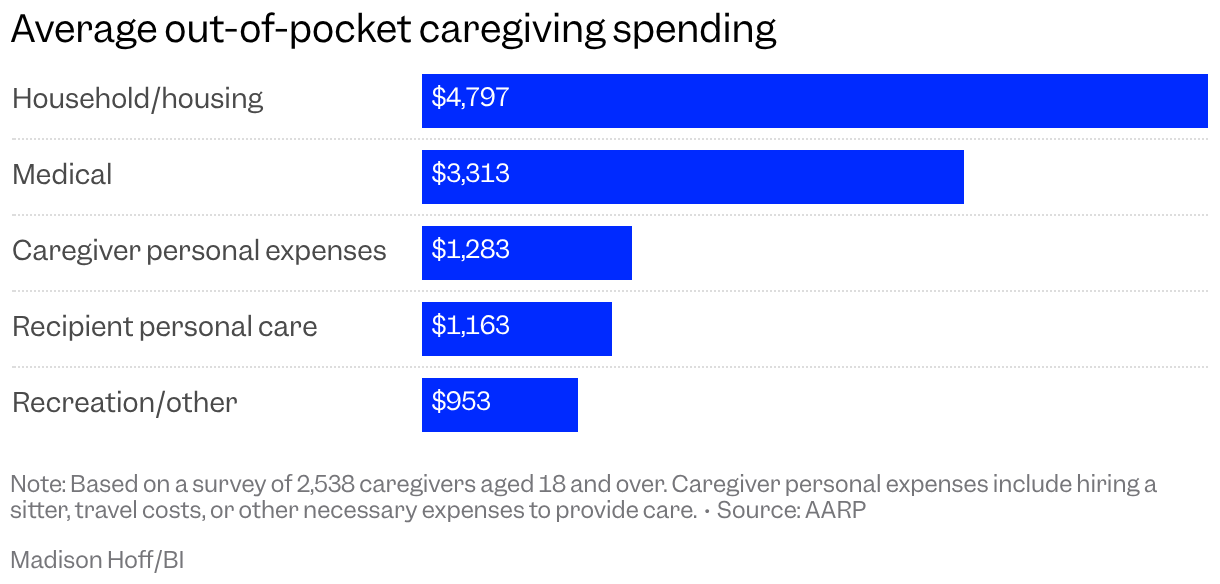
Household expenses such as food and housing accounted for 42% of total caregiving costs, while medical expenses made up 29%. Within medical spending, 37% went toward copays, coinsurance, insurance premiums, and direct payments to providers, with nursing home costs accounting for another 19%.
The financial strain frequently extends to employment and career paths. Tamara Johnson, a woman in her 50s, left a well-paying corporate leadership position to care for her husband following a major stroke. Her husband’s income dropped from nearly $200,000 annually to $50,000 in medical disability retirement, leaving care costs to consume a massive share of their household budget.
AARP surveyed working caregivers about the professional adjustments they have been forced to make, including working more hours, taking on a second job, taking paid or unpaid time off, reducing working hours, or shifting to different schedules. The data showed that 34% of working caregivers experienced between three and six of those employment impacts, while another 31% reported one or two. Furthermore, AARP data indicates that individuals who took on second jobs or increased their hours at existing positions faced the highest out-of-pocket costs.
Caring for individuals with specific conditions, such as dementia, creates an even heavier financial burden. Caregivers assisting a relative or friend with dementia spend an average of $5,600 more out of pocket than those caring for loved ones without dementia. For caregivers with a relative or friend residing in a nursing home, out-of-pocket expenses consumed half of their annual household income on average.
Wendy Rowland, also in her 50s, relocated from Tennessee to Mississippi after selling her and her husband’s home to help finance his long-term care. Her husband was diagnosed with early-onset Lewy body dementia, and his residential facility charges $6,750 per month. Because he has not reached the age required to claim Social Security, his monthly income is limited to $2,700 in disability insurance, leaving a significant shortfall.
Navigating the system has proven overwhelming for many families. Rowland described facing the challenge largely without institutional guidance, calling the initial period a profoundly difficult ordeal.