The integrity of the United States electoral data ecosystem has faced intense scrutiny during the 2026 midterm election cycle following revelations that fraudulent research firms have circulated fabricated polling results. The disclosure that several fictitious operations successfully injected manufactured numbers into public trackers and major news publications has laid bare the low barriers to entry and weak oversight plaguing the polling industry.
The most recent controversy centers on Wedgewood Polls, an entity that launched in June and published surveys covering competitive races in battleground states including Texas, Ohio, Michigan, Kansas, and Maine. Earlier this month, the firm admitted on social media that its statistics were entirely fake, describing the operation as an experimental project designed to highlight vulnerabilities and a lack of oversight in the industry. In a deleted statement, Wedgewood claimed it wanted to test how easily fabricated polling could gain traction, concluding that it was far too easy.

Before its unmasking, Wedgewood’s surveys had circulated widely through the political information landscape. acknowledged that its polling tracker had listed 15 surveys from the firm between June and October before subsequently removing them. The newspaper stated that Wedgewood had answered questions regarding its personnel, methodology, and funding prior to inclusion, though the data was not factored into presidential approval or national congressional averages.
This incident marked the second major fake polling scandal of the 2026 cycle. In August, another operation, Median Strategies, acknowledged that it had faked results as a short-term social experiment. The cumulative impact of these fabrications has roiled an industry already struggling to navigate a polarized political environment and an ever-changing information landscape.

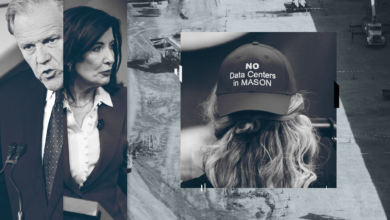
The infiltration of fraudulent data is not limited to aggregators; it has caused tangible damage to political campaigns. Mallory McMorrow, who ran unsuccessfully in Michigan’s Democratic Senate primary, stated that a Wedgewood survey showing her support in the single digits severely harmed her candidacy. McMorrow described the combination of the Wedgewood poll and another from Mitchell Research and Communications as a decisive blow that demoralized volunteers, dried up donations, and overshadowed her campaign’s momentum before she suspended her bid in July.
Experts and data journalists began investigating Wedgewood after noticing inconsistencies in raw data and technical identifiers associated with survey responses. Data journalist G Elliott Morris, who participated in an investigation by the forecasting website FiftyPlusOne, dismissed Wedgewood’s social experiment justification, characterizing it as an attempt to cover up deliberate fraud. Researchers at the University of Washington’s Center for an Informed Public observed how the controversy quickly spread from polling experts to influential political commentators and partisan accounts, with right-wing media figures leveraging the episode to argue that midterm polling favoring Democrats cannot be trusted. President Donald Trump also seized on the revelations to criticize media organizations and promote his ongoing litigation.

The fallout has renewed debates over accountability and legal remedies. While no federal laws explicitly criminalize fake polls, some legal scholars and advocacy groups argue that such operations constitute wire and commodities fraud, warranting federal prosecution to deter actors who might weaponize false data to manipulate elections. Meanwhile, regulatory figures have clashed over the appropriate response. Brendan Carr, head of the Federal Communication Commission, urged broadcasters not to amplify fake polls, warning that doing so could jeopardize their operating licenses under rules prohibiting news distortion and hoaxes. Conversely, FCC Commissioner Anna Gomez pushed back against that view, asserting that broadcasters who report publicly available polling data in good faith should not be punished when a poll proves false.
In the absence of clear legal prohibitions, experts emphasize that the burden falls heavily on voters and media organizations to rigorously evaluate election data. Mark Baldassare, survey director at the Public Policy Institute of California, advised that looking for institutional transparency—such as clearly stated missions, explicit purposes, and disclosed funders—remains essential for distinguishing credible research from partisan or fabricated messaging.