As the United States approaches the upcoming midterm elections, voting rights advocates and election officials are bracing for a familiar reality: the final tally will not be decided on election night. In many states, counting ballots takes days or even weeks due to statutory rules, resource limitations, and the processing of late-arriving votes that were legally cast by Election Day.
Eliza Sweren-Becker, deputy director in the Brennan Center’s Voting Rights and Elections Program, notes that while voters might prefer faster results, election offices operate under strict accuracy protocols with limited staff and resources. States that permit mail-in voting and late-arriving ballots must carefully verify each submission, a process designed to ensure that every properly cast vote is recorded accurately rather than rushed.
The extended timeline for counting votes has historically been leveraged to cast doubt on election integrity. Critics and political figures have frequently pointed to shifting leads or delayed outcomes as pretense for questioning results. However, legal experts emphasize that post-election counting is a standard, necessary part of administering secure elections in a decentralized system where states set their own rules.
Voters navigating the upcoming election are encouraged to review their registration status, confirm their current addresses, and explore secure options for casting ballots. While traditional mail delivery through the U.S. Postal Service remains an option, many jurisdictions provide alternative methods such as secure ballot drop boxes or designated drop-off locations at election offices and polling places.
Looking beyond the immediate tally, concerns have also been raised regarding potential post-election disputes, including attempts to delay the seating of newly elected officials. Legislative actions in the past, such as delayed swearing-in ceremonies in Congress, have fueled voter anxiety about procedural bottlenecks. Despite these concerns, legal frameworks govern state certification processes, making certification a mandatory legal duty rather than a discretionary political choice for local election boards.
Beyond immediate administrative hurdles, advocates point to broader, systemic reforms that could strengthen public confidence over the long term. Proposed federal measures include establishing national standards for voter access—such as online and same-day voter registration, universal access to mail voting without strict excuse requirements, banning partisan gerrymandering, and restoring provisions of the Voting Rights Act to create enforceable protections nationwide.
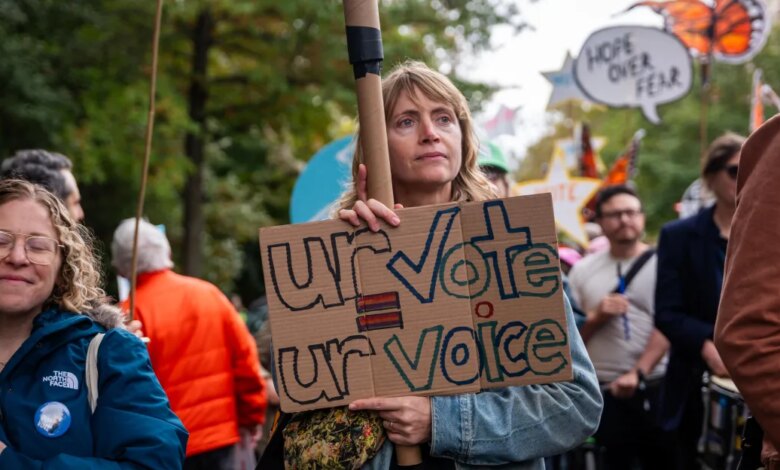
Ultimately, experts stress that campaigns aimed at sowing distrust are designed to discourage voter turnout. Maintaining a resilient electoral system relies heavily on broad civic participation, encouraging voters to make their voices heard regardless of political affiliation.