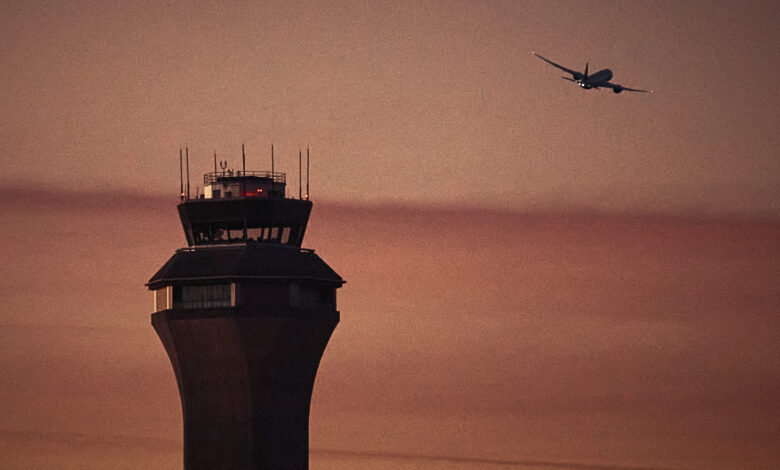
Air traffic controllers and Transportation Security Administration personnel are experiencing a sharp shift in the federal posture toward aviation safety professionals, moving from high-level praise during previous government funding lapses to ongoing battles over pay, staffing, and working conditions.
Just a year after administration leaders and congressional lawmakers hailed airport front-line staff as vital professionals during a 43-day federal shutdown, workers report feeling increasingly sidelined. The friction includes a nearly six-month delay in a congressionally mandated pay hike for the nation’s 15,000 air traffic controllers. The Federal Aviation Administration granted the increase only recently while demanding concessions regarding work hours and active flight management time.
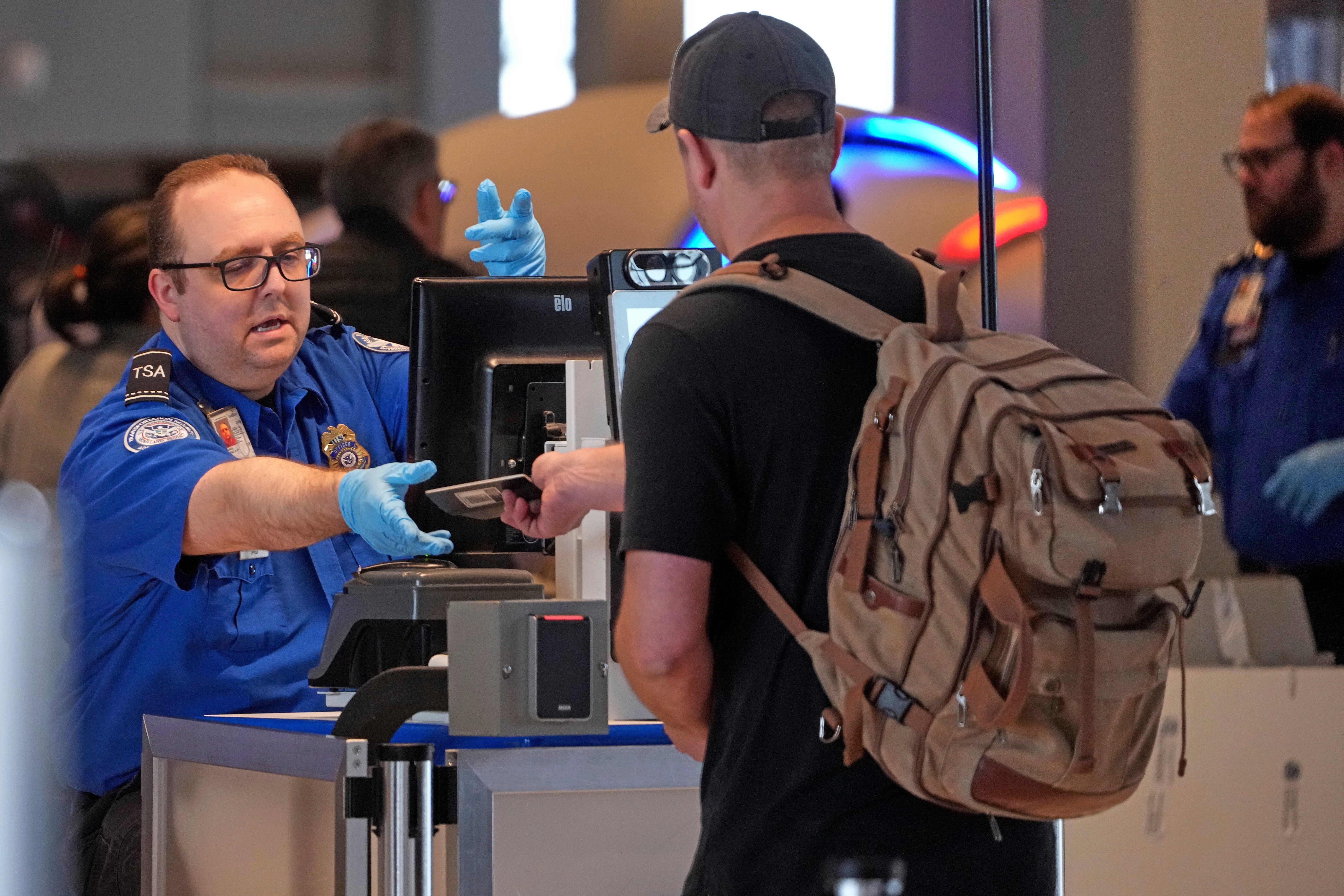
Meanwhile, the TSA has generated union friction by implementing a directive requiring document checkers at airport checkpoints to stand throughout their shifts. The Department of Homeland Security is also pursuing efforts in federal court to terminate the TSA’s union contract, a move actively contested by the American Federation of Government Employees.
Union representatives emphasize that the daily reality for these employees involves severe staffing shortages. Nick Daniels, president of the National Air Traffic Controllers Association, noted that controllers manage national airspace daily while shorthanded, leaving them vulnerable to burnout and economic stress exacerbated by repeated budget standoffs. According to Bureau of Labor Statistics data, the average TSA screener earns roughly $60,000 per year, with compensation varying by location. During a record-shattering 76-day DHS funding lapse earlier this year, the agency lost approximately 1,100 employees.
Administration officials strongly defend their record on workforce support. White House spokesperson Allison Schuster maintained that no prior administration has done more to assist air traffic controllers or upgrade the national aviation infrastructure. Schuster pointed to bonuses, financial assistance for workers’ families, and a recent 2.8% pay raise for controllers as evidence of ongoing commitment. The Department of Transportation echoed those assertions, calling suggestions of inadequate support unfounded while highlighting efforts to construct a modernized air traffic control system.
On Capitol Hill, legislative efforts to shield aviation workers from future funding lapses have repeatedly stalled. Lawmakers introduced bipartisan proposals such as the Aviation Funding Solvency Act, H.R. 6086, authored by House Transportation Chair Sam Graves and ranking member Rick Larsen, which advanced out of committee in December. However, broader legislative momentum has lagged as appropriators argue that guaranteed pay protection could remove essential fiscal leverage during budget disputes. Additional standalone measures aimed at securing pay for TSA personnel during shutdowns have similarly failed to clear congressional hurdles, leaving permanent protections unrealized.
Industry stakeholders emphasize that workforce stability remains integral to broader modernization initiatives. Christopher Sununu, president of Airlines for America, indicated that legislative discussions continue despite a difficult political environment, noting that repeat funding lapses threaten holiday travel schedules and disrupt Department of Transportation modernization programs. With a looming December 11 government funding deadline approaching, aviation unions and industry coalitions are maintaining pressure on lawmakers to secure long-term solutions before the next potential disruption.