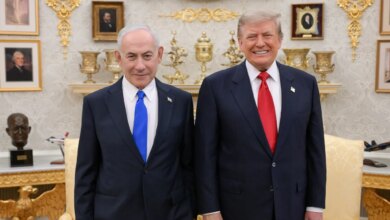
Nearly ten years after Donald Trump first assumed the presidency with a fiery promise to dismantle a self-serving political elite and end American carnage, the White House finds itself weighed down by its own record as the nation heads toward the November 3 midterm elections.
The contrast has grown sharp between the populist rhetoric of his early campaigns and the tangible impacts of his administration’s policies on everyday American households. Cost-of-living pressures currently dominate voter priorities, exacerbated by inflation driven in part by trade wars and a military conflict involving Iran. That engagement directly contradicted earlier promises to avoid endless entanglements in the Middle East.

While macroeconomic indicators show growth largely propelled by artificial intelligence advancements, daily financial struggles continue to overshadow broader economic health for most citizens. These pressures have also heightened scrutiny regarding administration corruption and unprecedented personal wealth accumulation within the president’s inner circle, alongside costly proposed federal renovations and monument projects in Washington.
Local resentment has similarly coalesced around large-scale data center construction linked to the technology sector, which frequently drives up municipal electricity rates while stirring anxiety over future job security in an evolving economy. Immigration policy, historically a core strength for the administration, faces mounting criticism as well. Although the border with Mexico relies heavily on a high-tech smart wall featuring sensors and cameras, voters have increasingly reacted against the lethal force used by border personnel alongside sweeping raids and deportations affecting integrated undocumented residents.

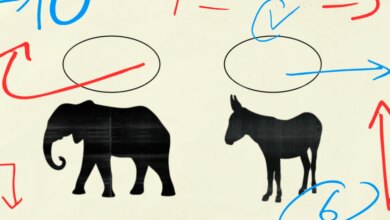
Midterm elections traditionally present a formidable hurdle for the party holding the executive branch, as voters use the ballot box to render judgment on the first two years of a presidential term. This historical pattern threatens to empower Democratic candidates, who could potentially flip control of the House of Representatives and even the Senate through a generalized protest vote against the administration, setting the stage for a difficult legislative stalemate in the latter half of the presidential term.