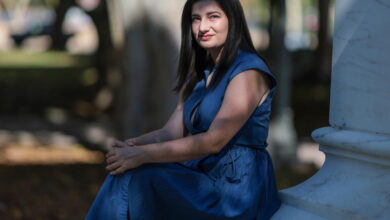
Michigan Democratic Senate nominee Abdul El-Sayed is upending traditional political playbooks with an assertive, unyielding public persona that has simultaneously fascinated conservative commentators and alarmed Republican leaders. The doctor-turned-politician, who previously directed public health services in the Detroit area and authored a book on Medicare for All, has built a reputation for sharp wit and direct engagement, even taking his message directly to conservative media outlets without diluting his progressive platform.
host Jesse Watters has repeatedly expressed a grudging fascination with El-Sayed, highlighting his physical fitness and pointing to his primary victory over the party establishment’s candidate, Rep. Haley Stevens. During an August interview, Watters engaged in a sharp exchange where El-Sayed labeled his Republican opponent, former Rep. Mike Rogers, a “beta” and parried pointed questions about gender-affirming care with deadpan humor. Watters later remarked on air that he found himself inexplicably drawn to the candidate’s demeanor.
Yet this personal appeal has collided with a concerted effort by conservative media and national Republican figures to counter the candidate’s momentum. El-Sayed’s rising profile has unsettled GOP strategists because he offers a working model for how Democrats can challenge perceptions of weakness and caution. Polling from Strength In Numbers and Verasight, analyzed by G. Elliott Morris, indicates that Democratic voters frequently criticize their own party for lacking fight, suggesting an opening for candidates who adopt a more aggressive posture.
National Republican figures have responded with sharp rhetoric. Vice President JD Vance criticized El-Sayed during a Michigan rally for Rogers, describing the Democrat as “a little weasel who should shut his mouth and show a little gratitude.” El-Sayed sidestepped the provocation and parried the remark by comparing himself to the University of Michigan’s Wolverine mascot, dismissing Vance and his allies as “carnival barkers” who attempt to diminish others.
The friction has extended to media coverage. In early October, reported that the White House contacted to express frustration over favorable coverage of El-Sayed, particularly following an interview with Martha MacCallum where the candidate defended public funding for schools over billionaire wealth accumulation. Network producers subsequently sought alternative ways to challenge the Democrat’s narrative, including an interview with progressive activist Corbin Trent that attempted to tie external progressive talking points to El-Sayed, despite no discernible professional or personal relationship between the two.
Meanwhile, voter sentiment in the state suggests the candidate’s cross-demographic appeal may be real. A focus group of regretful Trump voters in Michigan conducted by MS NOW found that five out of six participants intended to vote for El-Sayed. This shift aligns with broader concerns among Republicans regarding young male voters, a demographic that favored Donald Trump by a narrow margin in 2024 but has shown signs of moving toward Democratic candidates who project strength and straightforward conviction.