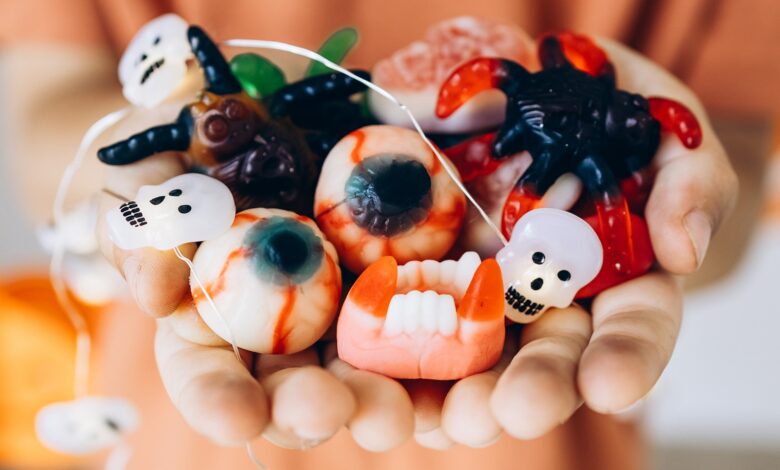
Cavities are far from the only dental hazard lurking in a seasonal trick-or-treat haul. According to dental experts, hard sweets and sticky treats can cause serious structural damage to teeth and existing dental work, potentially leading to costly and painful emergency visits.
Dr. Marc Lazare, a New York City-based dentist with nearly 30 years of practice experience who specializes in biomimetic dentistry, emphasizes that the holiday should still be enjoyed. “I’m never going to be the dentist who says, ‘Don’t enjoy Halloween. Don’t have candy,’” Lazare explained. “I love Halloween.” Instead of calling for a total ban on sweets, Lazare evaluates treats based on specific risk factors: whether they can harm enamel, contribute to decay, dislodge fillings and crowns, or crack teeth.

Individuals who already have fillings, posts, crowns, pre-existing cracks, or teeth weakened by grinding face the highest vulnerability. Hard candies force people to crunch down unexpectedly, which can split or fracture a tooth—particularly teeth that have previously undergone restoration work. “Anything where you have to force a crunch is not good,” Lazare said.
Meanwhile, super-sticky confections and caramels pose a different kind of threat by clinging tightly to teeth and pulling out crowns or fillings. Chewy sweets also tend to lodge tightly between teeth, prolonging sugar exposure and triggering what Lazare terms an “acid attack.” Sour candies similarly expose tooth enamel to high levels of acid. Surprisingly, seemingly healthy alternatives like raisins can prove equally troublesome. Because dried fruit sticks to teeth and leads to prolonged acid exposure, Lazare noted that raisins rank among the worst foods for dental health.

To minimize potential harm, Lazare recommends chocolate as a safer alternative because it melts and dissolves rapidly in the mouth. Dark chocolate is especially preferable since it generally contains less sugar than other confections, though consumers should remain cautious about fillings such as toffee or raisins embedded inside.
For those who do indulge during the holiday season, implementing a few straightforward protective habits can mitigate damage. Rinsing the mouth with water and waiting approximately one hour before brushing is advised, as acid temporarily softens tooth enamel and brushing too quickly can accelerate wear. Maintaining a consistent daily routine of brushing and flossing remains essential, and chewing sugar-free gum can help clear lingering food particles while stimulating saliva production.

If a dental restoration does dislodge, Lazare advises patients to stay calm, avoid chewing on that side of the mouth, save the detached piece, and contact a dentist promptly. He strongly cautions against attempting to reattach a crown or filling using household glue. Anyone experiencing severe pain, significant bleeding, or swelling should seek immediate professional dental care, as some dislodged restorations can potentially be reused depending on their condition.
Ultimately, Lazare emphasizes that prevention remains the cornerstone of his biomimetic practice philosophy, which prioritizes the long-term preservation of natural tooth structure. “We want to prevent damage rather than have to repair it,” he said.