Democrats Lead House Projections as Voters Focus on Economic Concerns and Opposition to Trump

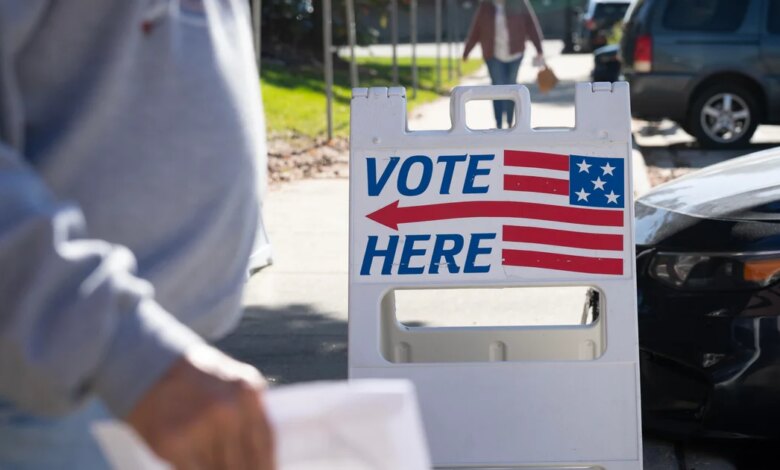
As the congressional midterm elections approach, Democrats maintain an advantage in the battle for control of the House of Representatives, driven largely by persistent economic anxieties and widespread voter motivation to oppose President Trump.
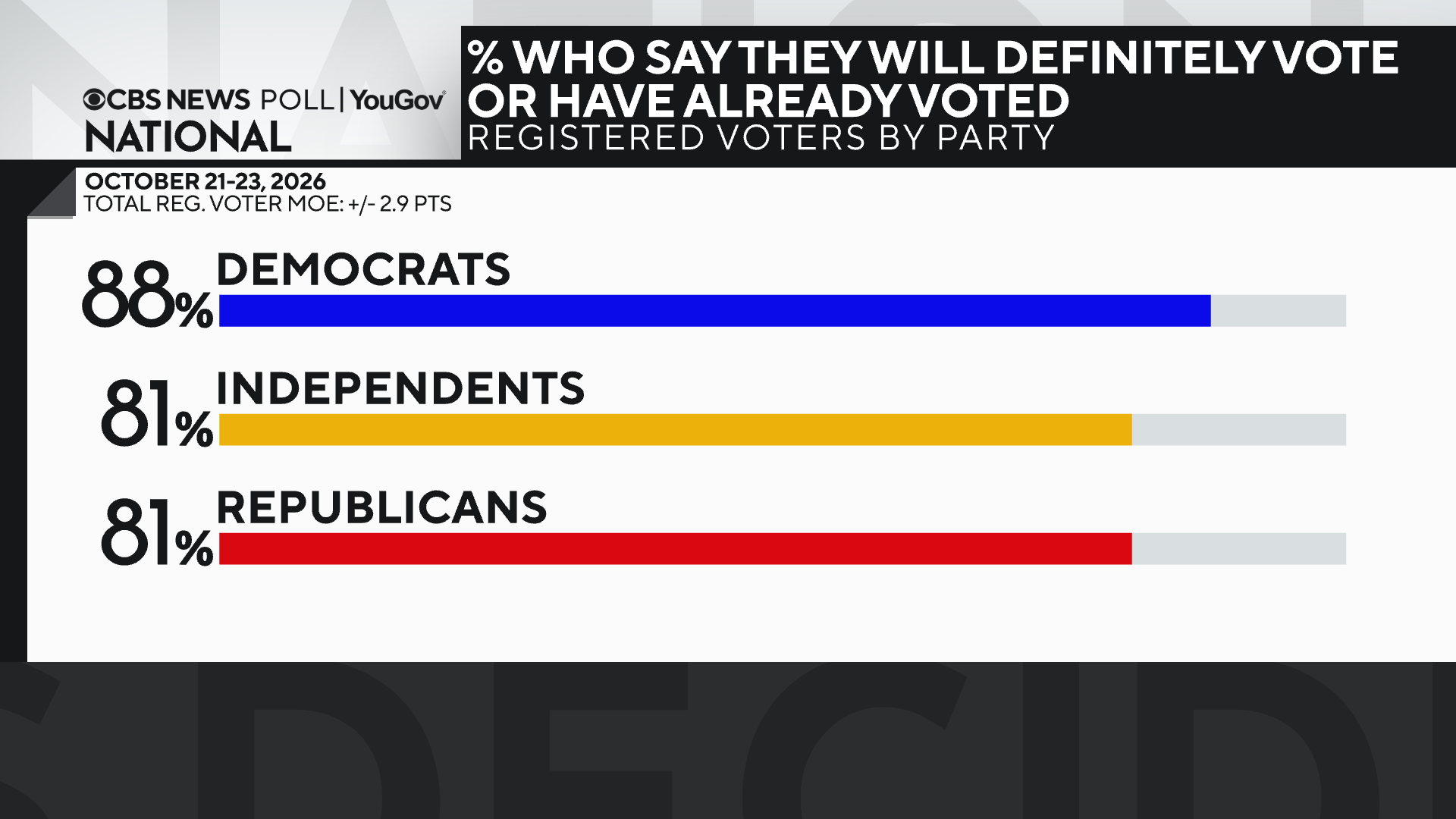
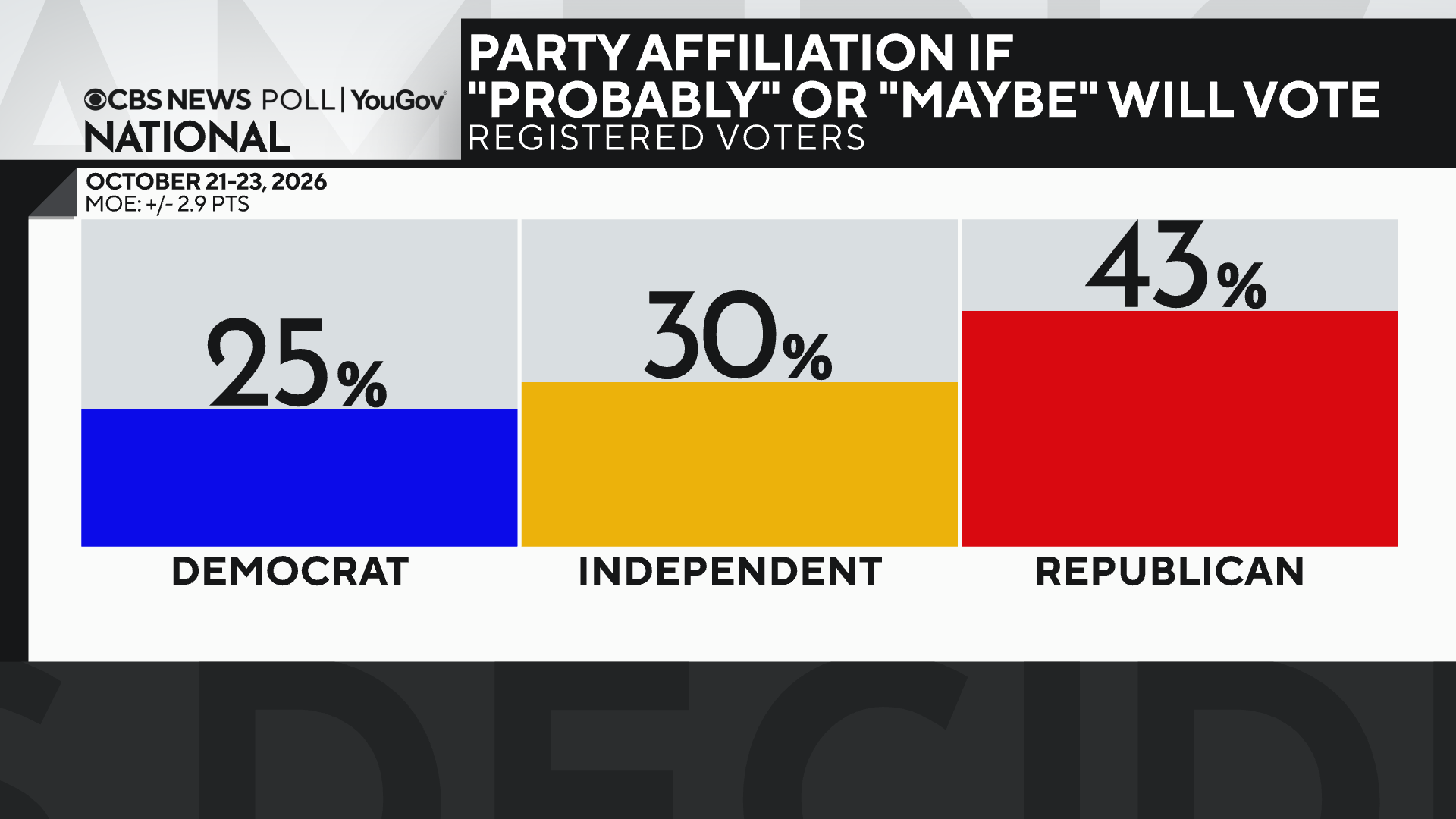
Polling and statistical modeling point to a potential baseline of 229 seats for Democrats, with prospective outcomes stretching into the 230s. However, Republicans retain a narrow path toward retaining their majority. While the Democratic lead has remained steady over recent weeks, it has not expanded into a broader wave. Analysts note that remaining undecided or uncertain voters currently lean more Republican, leaving voter turnout as a decisive variable.
The political landscape is defined heavily by opposition-driven motivation. Rather than rallying around positive economic gains or detailed policy agendas, voters across the political spectrum describe a dynamic of trying to prevent unfavorable outcomes. A significant majority of voters believe neither major party offers a clear legislative plan if they capture control of Congress. Four in ten voters supporting Democrats acknowledge their party lacks a clear plan, citing opposition to the president as their primary driver.
The president remains a polarizing force at the center of the midterm dynamic. More than seven in ten voters backing Democratic candidates report that their vote is intended to oppose President Trump. For Republicans, particularly within the MAGA movement, the president serves as a key motivator, though voters backing the GOP exhibit more varied internal dynamics. Four in ten Republican voters indicate their choice is not primarily about the president, with many expressing only moderate approval of his administration while maintaining deeply unfavorable views of the Democratic Party.
Economic pessimism continues to permeate the electorate. Overall ratings of the economy remain negative, matching levels recorded last spring, and most likely voters feel federal policies have left them financially worse off. Inflation and the rising cost of living remain top concerns. Voters who identify inflation as a critical issue or report financial hardship tend to back Democratic candidates.
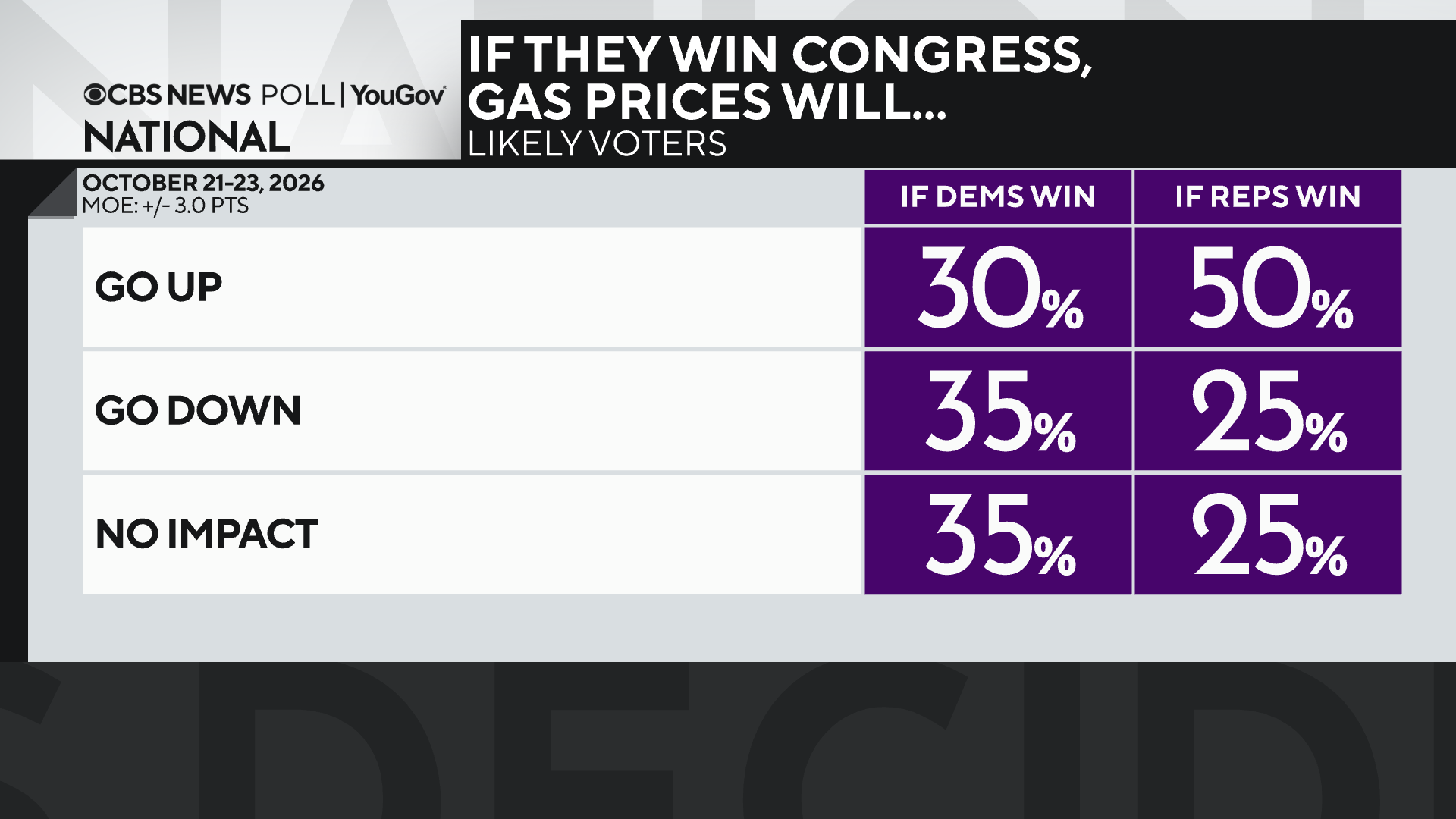
Voters also express divergent views regarding financial priorities and gas prices. While few believe any political outcome will lower fuel costs, the Republican Party is more closely associated with expectations of rising gas prices. More than a third of voters believe the Democratic Party prioritizes the interests of recent immigrants over U.S. citizens, and those holding this view heavily favor Republican candidates. Conversely, an equal share believes Democrats prioritize both groups equally, and those voters reliably support the Democratic ticket.
Campaign appearances by the president draw starkly different reactions within the Republican base. While MAGA Republicans report that campaign events make them more likely to support party candidates, many non-MAGA Republicans indicate these rallies do not influence their voting behavior.
Confidence in local election administration remains generally high, with most voters expressing trust that their county election offices will correctly process eligibility and count ballots accurately. However, sharp partisan divisions persist regarding election integrity, with Republican voters expressing significantly higher concern over the possibility of illegal voting by non-citizens in federal elections.
The findings are based on a survey of 2,355 U.S. adults conducted between October 21 and 23, 2026. The poll carries a margin of error of plus or minus 2.6 percentage points for the total sample, 2.9 points for registered voters, and 3.0 points for likely voters. House seat projections are derived from a statistical model incorporating survey responses, demographic data, historical voting patterns, and district-level characteristics.