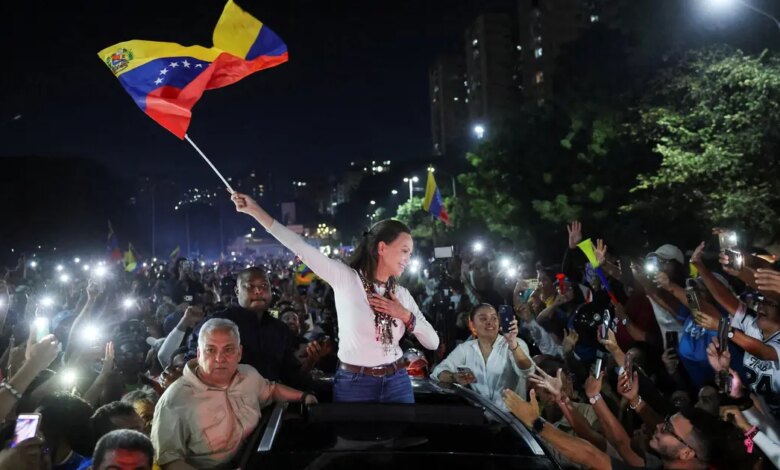
Two significant symbolic victories for democratic opposition movements materialized hours apart on opposite sides of the globe, yet both face formidable structural impediments as they attempt to convert immediate momentum into lasting political change. The dual developments highlight the fragile nature of popular resistance against entrenched power structures, as noted by political scientist Francis Fukuyama.
In Caracas, Venezuelan opposition leader María Corina Machado made a high-profile return to greet enthusiastic crowds following nearly ten months in exile. Her return injects new energy into the domestic opposition movement, but she must navigate a complex geopolitical landscape, including Washington’s pragmatic arrangements with the interim government led by former Chavista Delcy Rodríguez. Demonstrating the hardline stance still confronting the opposition, Rodríguez publicly demanded on Monday that Machado exhibit regret, remorse, and a fundamental change of course.
Meanwhile, thousands of student-led protesters in Serbia successfully forced the ouster of the nation’s long-standing strongman leader, effectively ending a 14-year hold on power. However, the movement’s strategic ambiguity may complicate its future governance. Fukuyama observed that the Serbian movement successfully galvanized a broad coalition of followers precisely by avoiding specific declarations about its long-term policy intentions, raising questions about the sustainability of its ultimate political victory.
Both movements must now transition from successful resistance and mobilization to the intricate challenges of institutional reform and governance. While the events in Caracas and Belgrade capture global attention, the path toward durable democratic consolidation remains fraught with internal contradictions and external pressures.