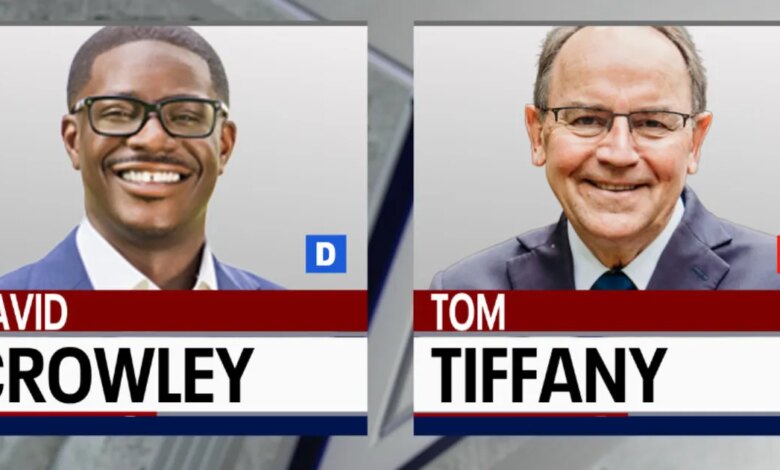
Democrat David Crowley and Republican Tom Tiffany are squaring off in the race to succeed Tony Evers as the governor of Wisconsin, setting up a high-stakes contest in the state’s first open gubernatorial race in more than a decade. Evers announced last summer that he would not seek a third term, bringing an end to a tenure that began when he defeated incumbent Republican Scott Walker in 2018 and subsequently won re-election against challenger Tim Michels in 2022. Walker, who served two terms starting in 2010, was Wisconsin’s last Republican governor. The general election is scheduled for Tuesday, November 3.
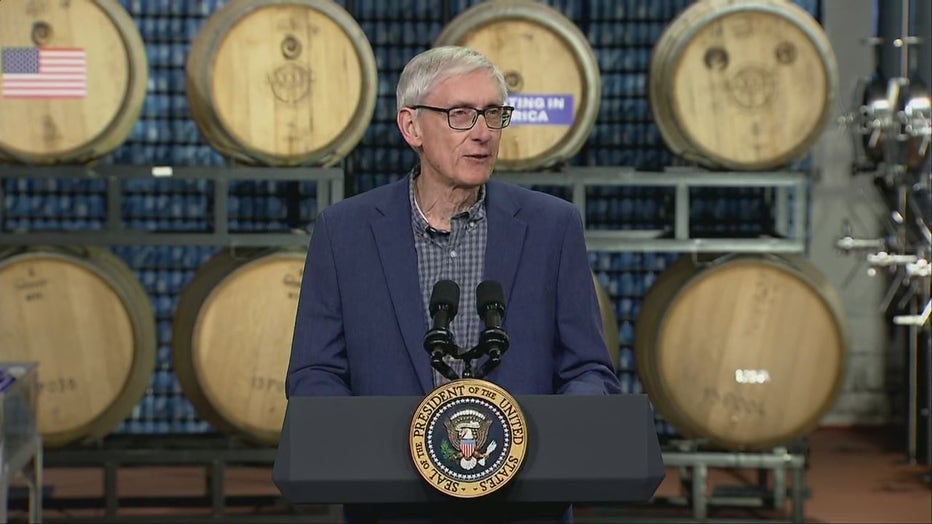
David Crowley brings a background in local governance to the statewide contest. A Milwaukee native, he was first elected to the Wisconsin Assembly in 2016 before winning election as Milwaukee County Executive in 2020, becoming the youngest and first Black person to hold the office. He is currently serving his second term and enters the race with the endorsement of Governor Evers.
On the cost of living, Crowley centers his platform on his Badger Basics plan, which targets household expenses such as housing and energy. His economic proposals include expanding apprenticeship and technical training programs, cutting bureaucratic hurdles for small businesses, increasing access to affordable capital, and prioritizing storefront development in commercial corridors. Citing his own childhood experiences with multiple evictions, Crowley advocates for expanding affordable housing and homeownership assistance.
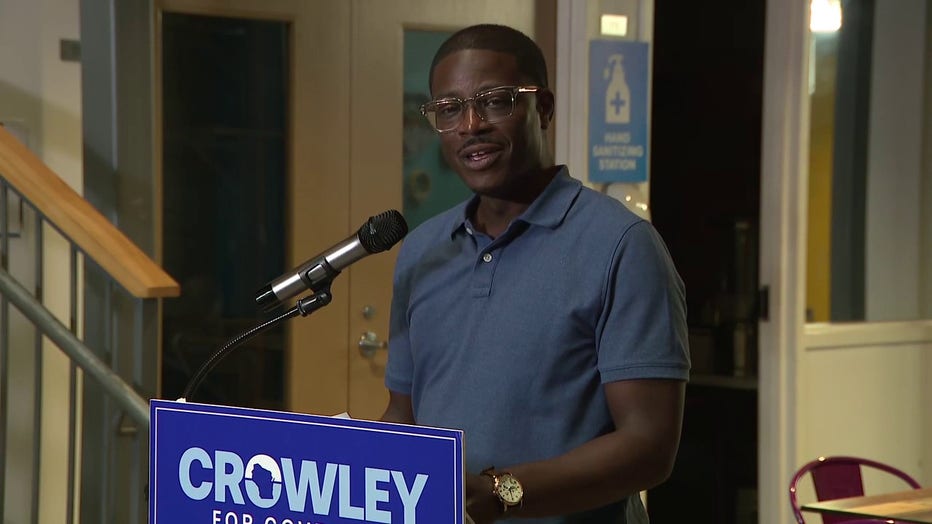
Regarding immigration enforcement, Crowley signed an ordinance during his tenure as Milwaukee County Executive requiring law enforcement agencies to obtain prior written authorization before utilizing county parks as staging areas for operations unrelated to park safety or emergencies. While the measure was designed in part to limit Immigration and Customs Enforcement staging in county parks, it does not bar routine patrols or general immigration enforcement activities.
Crowley’s healthcare platform emphasizes expanding access to care through increased mobile health outreach, addiction treatment access, and statewide emergency medical services innovations. He also supports investments in affordable child care, paid family leave, direct aid for child care providers, and a proposal to cap out-of-pocket child care costs at 7% of household income.
On data centers, Crowley maintains that local communities should retain the authority to decide whether they want such facilities and that their decisions must be respected. If a community approves a project, he advocates requiring developers to publicly disclose information by banning nondisclosure agreements. Furthermore, he contends that data centers should operate entirely on renewable energy, cover all infrastructure and grid upgrade costs, contribute to the state’s Focus on Energy fund, employ union labor, generate good-paying jobs, and safeguard local water supplies and the environment.
On abortion, Crowley supports amending the Wisconsin Constitution to establish abortion as a constitutional right, arguing that these decisions should remain between patients and their healthcare providers rather than politicians. He defended access in cases after 20 weeks, characterizing them as rare and involving extreme medical circumstances.
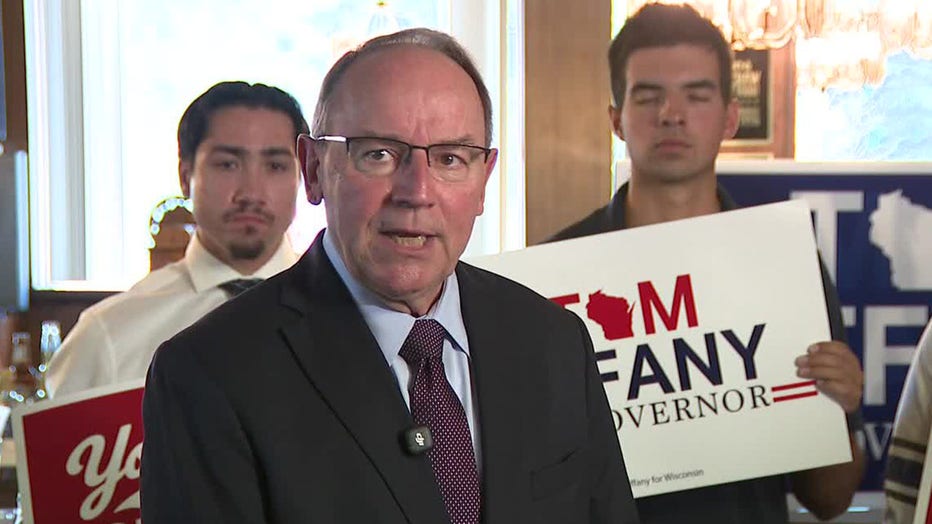
Tom Tiffany enters the race representing Wisconsin’s 7th Congressional District, a seat he won in a May 2020 special election. A lifelong resident of the state, Tiffany previously served in the Wisconsin Assembly and the Wisconsin Senate, worked as a Town of Little Rice supervisor, and spent nearly three decades as a dam tender on the Willow Flowage. In May, he secured the endorsement of the Republican Party of Wisconsin and holds the backing of President Donald Trump and Vice President JD Vance.
Addressing the cost of living, Tiffany campaigned on ending a property tax increase signed by Governor Evers to fund public schools, cutting property taxes, and returning the state’s $3 billion surplus to residents. He also proposes legislation to block Wall Street from purchasing single-family homes in an effort to drive down housing costs.
On immigration enforcement, Tiffany has stated that as governor he would prohibit municipalities from enacting sanctuary policies that limit or ban local law enforcement from cooperating with federal immigration authorities. In Congress, he has consistently pushed to withhold federal funds from states and organizations refusing to enforce immigration laws.
Tiffany’s healthcare proposals include legalizing medicinal marijuana with strict safeguards to prevent use by minors, enabling the Wisconsin Farm Bureau to offer health plans to members, and cutting red tape to allow more home-based child care providers to remain open. Additionally, he favors requiring healthcare providers and insurers to offer clear, up-front pricing.
On data centers, Tiffany introduced a five-step plan aimed at preventing the state from becoming a data hub. His plan calls for eliminating a sales tax exemption for data centers—which the state’s Legislative Fiscal Bureau estimates has cost nearly $2 billion in revenue—ensuring local communities have final approval, preventing farmland from being paved over for power generation, requiring operators to cover power grid costs, and banning nondisclosure agreements.
Regarding abortion, Tiffany voted as a state senator in 2015 for a bill prohibiting abortions at 20 weeks or later, which was signed into law by then-Governor Scott Walker. While he co-sponsored a federal bill in Congress in 2023 that would have banned abortions upon the detection of a heartbeat, Tiffany stated upon launching his gubernatorial campaign that he would uphold Wisconsin’s current law banning abortions after 20 weeks.