Conservative Climate Movement Faces Potential Wipeout in Midterms Amid Projected Democratic Gains

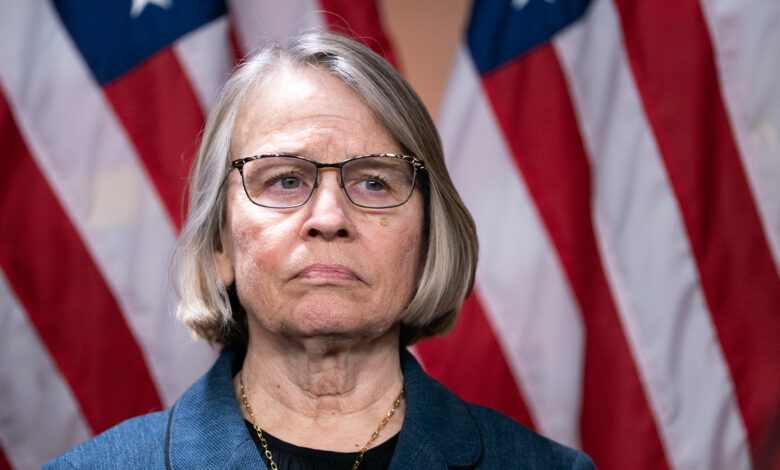
A projected blue wave in the upcoming midterm elections threatens to sweep away a significant portion of the House’s fledgling conservative climate movement, raising concerns among advocates about the future of bipartisan energy negotiations in Washington. The Conservative Climate Caucus, a Republican group advocating for clean energy and environmental policies, could lose up to a third of its members if Democrats capture control of the House.
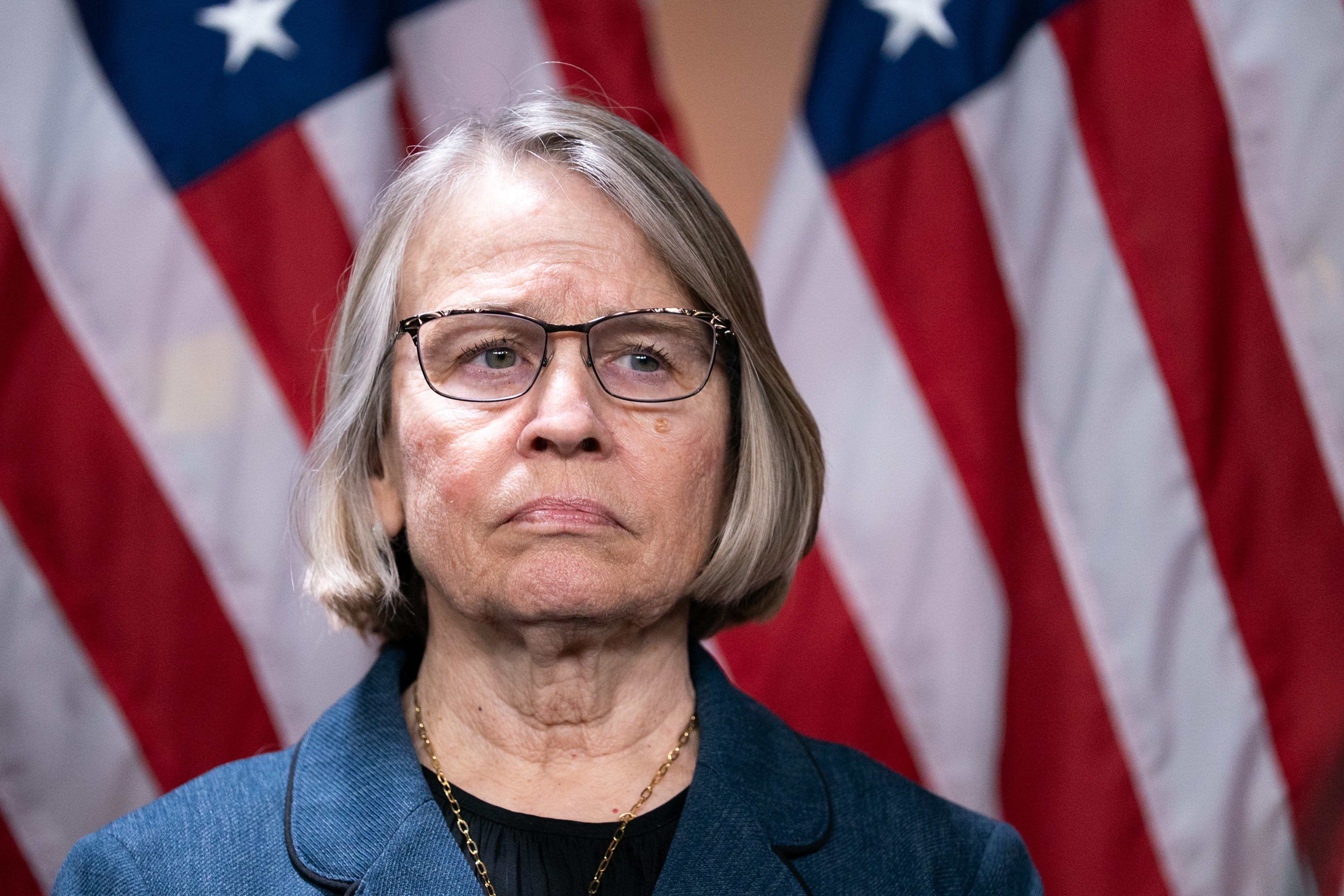
The caucus’s chair, Rep. Mariannette Miller-Meeks (R-Iowa), is currently in a race leaning toward Democrats, while vice chairs Reps. Jen Kiggans (R-Va.) and Juan Ciscomani (R-Ariz.) find themselves in tight toss-up races, according to ratings from the Cook Political Report. In total, 11 of the 66 caucus members are locked in competitive contests, while another 15 are retiring, lost primary bids, or are running for non-House offices, including vice chair Rep. Buddy Carter (R-Ga.).
Environmental advocates and policy experts warn that these potential defeats could severely shrink the pool of negotiating partners across the aisle, deepening the partisan divide on environmental policy. The conservative climate faction has already moderated its public advocacy and rhetoric since President Donald Trump took office. While Democrats are poised to launch a fresh push on climate legislation if they retake the lower chamber, the departure of moderate and climate-conscious Republicans could remove crucial bridges between the parties.
Alex Flint, executive director of the Alliance for Market Solutions and a former Republican Senate aide, noted that the vulnerabilities stem largely from geography rather than the issue itself. He pointed out that Republicans who take constructive stances on climate often do so to differentiate themselves in swing districts, making them uniquely susceptible to defeat in a wave election. Nine of the 21 House Republicans who publicly advocated for maintaining clean energy tax credits during last year’s reconciliation battle are currently running in races rated as toss-ups or leaning Democratic. Rep. Brian Fitzpatrick (R-Pa.), who frequently breaks with his party to support carbon pricing and endangered species protections, is also in a competitive race.
Balancing political survival with conservative orthodoxy has yielded limited political benefits for these lawmakers recently. The Conservative Climate Caucus was unable to prevent the rollback of clean energy tax credits from the Inflation Reduction Act last year, and its leadership has largely refrained from campaigning on the issue. In Arizona, Ciscomani recently hosted Interior Secretary Doug Burgum to discuss the administration’s fossil-fuel-focused ‘energy dominance’ agenda and copper mining, while also promoting an ‘Energy Champion’ award from the pro-fossil-fuel American Energy Alliance. In a statement, Ciscomani emphasized his support for an all-of-the-above energy strategy that balances domestic energy resources with environmental protection.
Other vulnerable members have navigated similar political balancing acts. House Speaker Mike Johnson recently visited Miller-Meeks in her district, playfully joking about her intense lobbying for legislation to permit year-round E15 gasoline sales. Johnson also visited Kiggans in Virginia Beach, where the lawmaker has quietly worked to protect the Coastal Virginia Offshore Wind project from the administration’s anti-offshore-wind policies without drawing public attention to the effort during the visit. Neither the Miller-Meeks nor Kiggans campaigns responded to requests for comment.
Despite the immediate setback, veterans of the conservative climate movement argue the network will adapt and rebuild. Former Rep. Carlos Curbelo, who established the bipartisan Climate Solutions Caucus in 2016, suggested that a shift to Democratic control could ultimately compel a new cohort of Republicans to engage pragmatically with environmental issues. He argued that surviving members and newly elected Republicans in competitive districts will recognize the necessity of embracing a broad spectrum of energy development.
Advocates also point to the Senate as a stabilizing force for the movement, led by Sen. John Curtis (R-Utah), who founded the Conservative Climate Caucus while serving in the House and has continued championing clean energy following his election to the Senate in 2024. Heather Reams, an energy policy consultant and former president of Citizens for Responsible Energy Solutions, noted that building resilience will require recruiting members from deeply conservative regions, particularly southeastern states with expanding clean energy manufacturing and infrastructure. Zach Friedman, senior director of federal policy at Ceres, echoed that sentiment, emphasizing the long-term need for climate champions from darker red districts to ensure policy durability.
Should Democrats regain the House majority, they are expected to pursue climate legislation independently, though advocates stress that lasting policy requires Republican buy-in to prevent regulations from seesawing between administrations. In periods of minority status, conservative caucuses have historically served as a forum to critique heavy-handed regulations and advance market-friendly alternatives. As leadership dynamics shift—with Republican Co-Chair Andrew Garbarino of the Climate Solutions Caucus now serving as the top Republican on the Homeland Security Committee—other groups like the Problem Solvers and Build America caucuses may assume a larger role in shaping conservative environmental dialogue. Curbelo expressed optimism that ongoing bipartisan efforts, such as permitting reform, could provide a viable launch pad for renewed Republican engagement on energy issues in the next Congress.