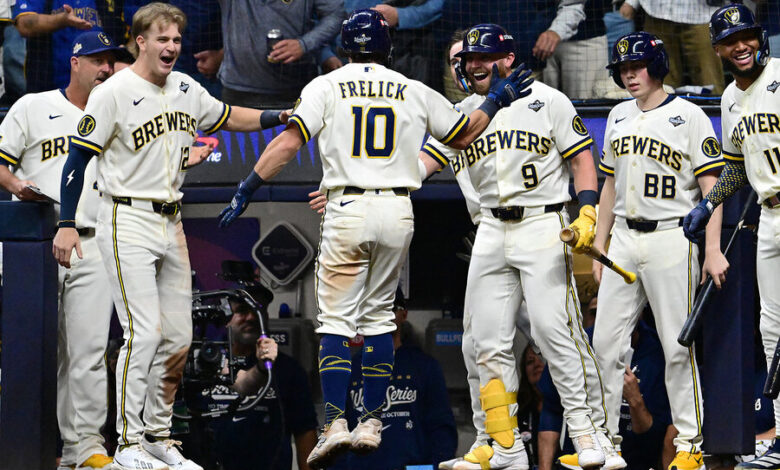
The opening games of the Fall Classic have offered a sharp rebuke to detractors who question the state of baseball outside of traditional powerhouse franchises. Pitting two franchises hunting for their first World Series title against one another, the initial matchups between the Milwaukee Brewers and the Tampa Bay Rays delivered consecutive one-run thrillers that highlighted the effectiveness of shrewd scouting and organizational depth over massive payroll spending.
Friday night’s opener set a tense tone in Milwaukee. Trailing 3-1 in the top of the ninth inning, the visiting Rays loaded the bases with one out for Liam Hicks. The home team appeared to secure a game-ending double play on the ensuing play, though replays later indicated that shortstop Cooper Pratt’s foot had come off second base. The reprieve proved temporary, however, as Brewers closer Trevor Megill shut down the threat with a strikeout to preserve a 3-2 victory.
Mr. Hicks quickly rebounded in Game 2 on October 24, launching a two-run home run in the first inning to stake Tampa Bay to an early 4-0 advantage. Yet Milwaukee methodically erased the deficit, taking the lead when Mr. Pratt drove in the go-ahead run in the bottom of the seventh. The contest concluded with another dramatic sequence as a check swing by Tampa Bay leader Yandy Diaz was ruled a game-ending third strike, giving the Brewers a 5-4 win and a 2-0 series lead.
Beyond the immediate on-field theater, the matchup underscores the enduring viability of small-market operations. Milwaukee secured the best record in the National League this season with 103 wins, while the Rays topped the American League with 98 victories. Despite operating with vastly different financial resources than clubs in major metropolitan markets—with Tampa Bay sitting in the bottom five of team payrolls and Milwaukee positioned just outside the bottom third—both organizations have maintained contention through meticulous talent acquisition and developmental infrastructure.
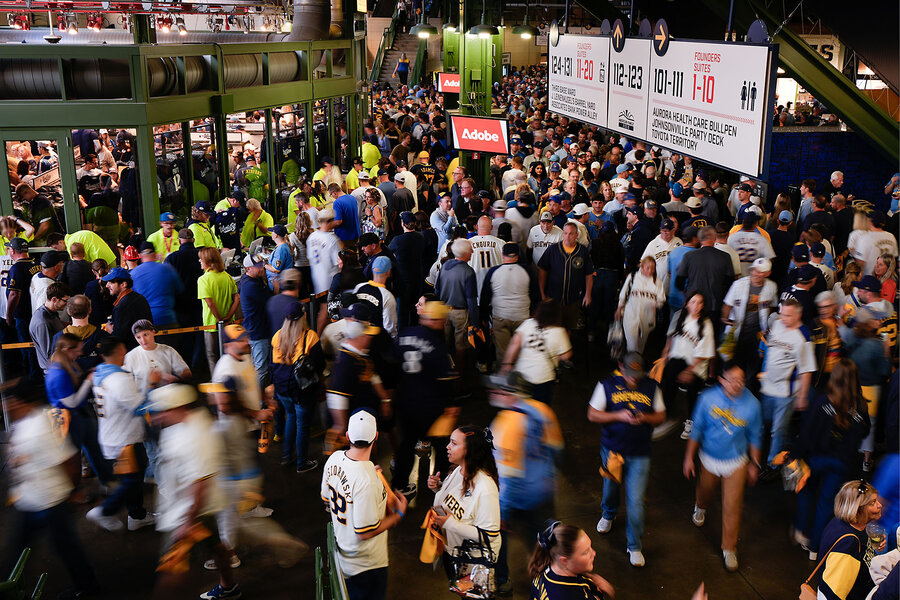
Observers have noted the stark contrast in player compensation. Milwaukee’s top two starting pitchers, Jacob Misiorowski and Logan Henderson, along with key setup man Abner Uribe, are earning close to the league minimum. A similar dynamic defines the Rays’ roster, where productive bats Jonathan Aranda and Junior Caminero each earn less than $800,000 this season.
This low-budget, high-reward model arrives against a backdrop of looming labor friction. With the current collective bargaining agreement set to expire in December, industry expectations point toward a potential owner-imposed lockout centered on salary cap proposals. Prominent figures within the sport have weighed in on the financial disparities, pointing to player development as an equalizer for organizations that choose not to heavily invest in free agency. Brewers manager Pat Murphy addressed the dynamic following his club’s postseason series victory over the Los Angeles Dodgers, emphasizing the grit of his roster over opponent accolades.
As the series shifts locations and the broader economic structure of the sport faces pivotal negotiations, the early action on the diamond has refocused attention on the competitive balance possible within the league.