
For nearly five decades, the industrial city of Betim embodied the aspirations of Brazil’s working class, serving as a geographic and political anchor for the leftist movement of President Luiz Inácio Lula da Silva. Today, however, that dynamic is shifting. When local resident Guilherme de Souza recently secured a machine maintenance job at the local Stellantis automotive plant, it fell short of his ultimate ambitions. Instead, he spends his evenings taking courses with plans to start his own car repair business and work for himself.
Mr. de Souza’s trajectory illustrates a broader demographic transformation reshaping Brazilian politics ahead of Sunday’s presidential runoff. While President Lula built his political career as a union leader in the 1970s and won power by championing secure jobs and worker protections, the realities for poor and middle-class Brazilians have evolved significantly. Decades of welfare programs, an intermittent economic downturn, and the rise of social media platforms promoting hustle culture and meritocracy have altered what workers expect from the economy.
President Lula garnered 3.3 million fewer votes in the first round of this year’s election compared to his 2022 run. Political analysts note that support has eroded primarily among the country’s “C class”—an urban, aspiring middle class earning between 2,525 and 10,885 reais monthly, roughly $503 to $2,150. According to Rosana Pinheiro-Machado, a professor of global studies at University College Dublin, independent micro-entrepreneurs are leading the political migration from left to right. The pandemic accelerated a labor revolution driven by app-based gig work and digital entrepreneurship, leaving the president’s Workers’ Party struggling to keep pace.
Recent polling indicates the political friction. Right-wing Senator Flávio Bolsonaro is projected to capture 48% of the upcoming runoff vote, according to an Ideia/Meio poll published Oct. 21, while President Lula registered 46%. Among voters who view running an independent business as their primary route to personal advancement, support widens sharply: 62.3% favor Senator Bolsonaro, compared with 33.5% for President Lula.
President Lula’s initial two terms between 2003 and 2010 are widely remembered for welfare initiatives that lifted millions out of poverty and introduced them to consumer goods. Yet, as Brazil navigated severe economic and political crises in the mid-2010s, this ascendant middle class often remained marginalized within the formal job market, fostering widespread frustration. Today, Brazil maintains a massive informal sector numbering nearly 39 million people.
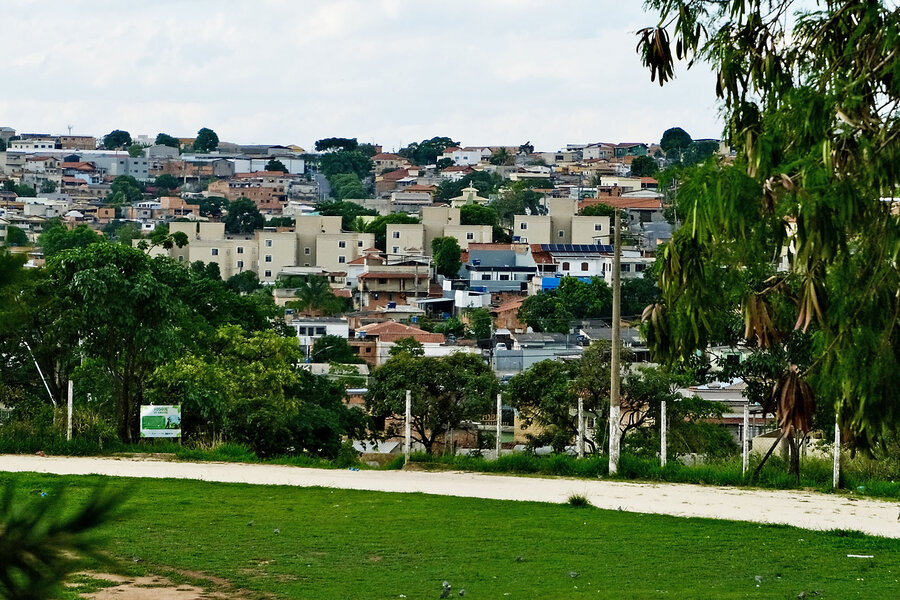
Promises to recreate the early successes of the leftist administration through expanded social spending have failed to resonate with this modern working middle class. This disconnect is visible in Betim, a low-rise municipality of nearly half a million residents divided by a busy highway. The city’s economy expanded rapidly after a Fiat factory opened there in 1976, which later merged into Stellantis in 2021. While the industrial sector continues to employ tens of thousands of salaried workers, registered micro-entrepreneurs have surged, with 7,750 new registrations in 2025 alone, pushing the local self-employed total close to 37,000.
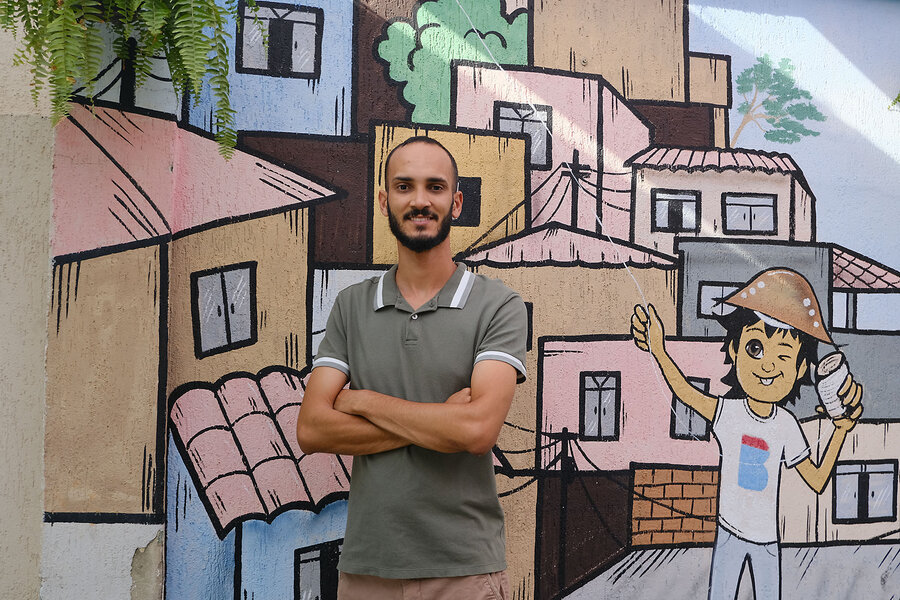
George Sergio Rosa, president of the Minas Gerais chapter of G10 Favelas, a national social impact organization headquartered in Betim’s Jardim Teresópolis neighborhood, notes that small-business owners feel saturated and desire political renovation. The organization runs programs to help young residents enter the workforce, coordinates recruitment drives for major firms like Stellantis, and teaches digital marketing to budding entrepreneurs. Younger workers increasingly reject the structure of fixed-hours salaried employment, Mr. Rosa explains, while local business owners—ranging from neighborhood barbers to cooks—frequently voice concerns over heavy tax burdens.
While the leftist government recently championed a landmark labor reform passed by Congress that shortens the workweek to 40 hours and increases mandatory rest days without reducing salaries, these policies miss the mark for independent operators who view them as regulatory hurdles. Alex Custodio, president of the metalworkers union for Betim and surrounding areas, observes that even inside traditional factories, thousands of workers who benefited from federal programs no longer feel represented by President Lula.

Recent data from the Global Entrepreneurship Monitor indicates that 40% of Brazilians aspire to run their own business, with 43 million planning to launch entrepreneurial ventures within three years—ranking Brazil as the world’s second-largest cohort behind India. For workers like Mr. de Souza, who has endured nearly two decades of Workers’ Party governance, the alternative feels stagnant. He plans to cast his ballot for Senator Bolsonaro.
The far right has successfully capitalized on this frustration by challenging traditional welfare policies and emphasizing individual responsibility. Gig workers in the area echo this sentiment. Jackson Santos, a local motorcycle courier who switched from formal supermarket employment in search of autonomy and higher income, notes that traditional low-wage jobs cannot support his lifestyle goals. Earning roughly double his previous salary as a courier and supplementing his income through online videos where he delivers goods dressed in a suit and tie—earning him the moniker “motoboy elegante”—Mr. Santos prioritizes personal financial mobility.
Experts note that a fundamental desire for respect, dignity, and visibility drives this widespread pivot toward entrepreneurship and digital content creation among Brazilians who historically experienced severe marginalization. Jhonatan Barbosa Alves, a trained electrotechnician working as an Uber driver and online seller of watches and perfume while attempting to launch a gaming channel, plans to vote for Senator Bolsonaro. While not his initial choice, Mr. Alves points to conservative values, proposed reviews of state benefit payments, and support for independent commerce as key factors in his voting decision.
As the election approaches, political analysts suggest that even if the left secures a victory at the ballot box, conservative movements have successfully captured the broader ideological debate over economic mobility and individual aspiration.