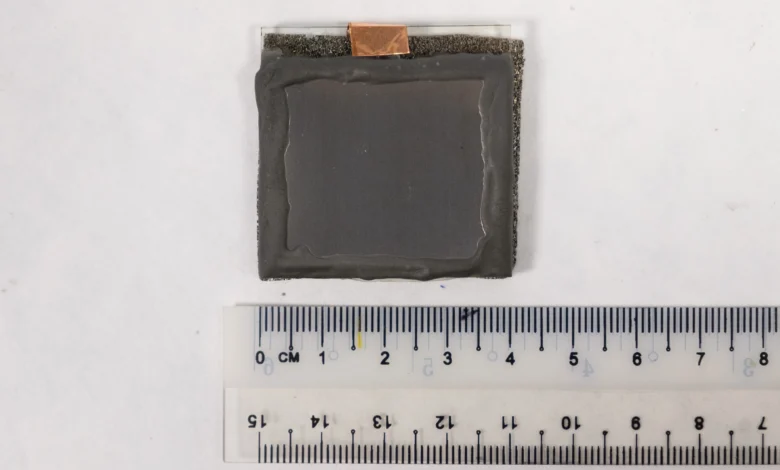
A research team at Nanyang Technological University (NTU) in Singapore has developed a novel “artificial leaf” device that addresses two of the most pressing challenges in green technology: the high cost of clean hydrogen production and the persistence of industrial water pollution. The light-driven system mimics natural photosynthesis to convert solar energy into chemical reactions, allowing for the extraction of hydrogen from seawater while simultaneously neutralizing hazardous wastewater contaminants.
Hydrogen is widely regarded as a cornerstone of the future clean energy economy, yet its production remains resource-intensive. Current methods largely rely on the electrolysis of fresh water, a precious and limited resource. While seawater is abundant, it contains high concentrations of chloride ions that pose significant technical hurdles. These ions typically degrade reaction efficiency and produce corrosive, toxic chlorine byproducts that damage expensive equipment. To bypass these limitations, the NTU researchers designed a system that functions without external power, utilizing a specialized catalyst and advanced light-harvesting materials.
The device features an anode powered by a catalyst composed of iron, cobalt, and chromium. This specific combination was chosen to target hydrazine, a highly toxic chemical frequently found in industrial wastewater. Unlike traditional water-splitting processes that generate oxygen, the oxidation of hydrazine into nitrogen and hydrogen requires significantly less energy. This lower energy threshold allows the system to operate more efficiently, using the pollutant as a fuel source to drive the production of clean hydrogen.
This dual-benefit approach allows the device’s cathode to produce hydrogen from seawater while the anode simultaneously breaks down harmful hydrazine. This process not only purifies the water but also increases the total hydrogen yield by generating gas at both ends of the chemical reaction. The researchers noted that the iron-cobalt-chromium catalyst is highly resistant to corrosion and can be tuned for various industrial applications, effectively suppressing the formation of harmful chloride byproducts that normally plague seawater electrolysis.
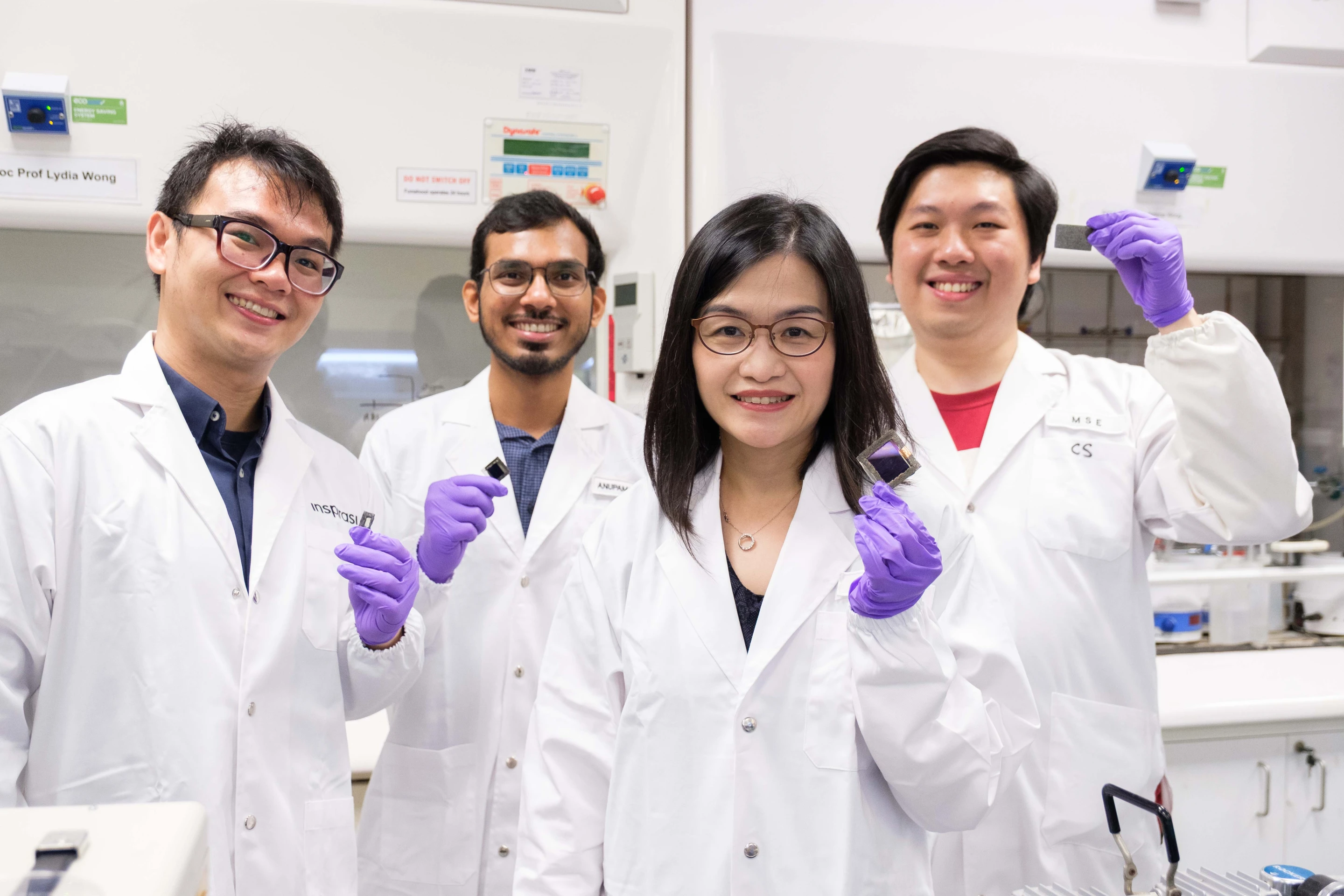
For the light-harvesting component, the team utilized lead halide perovskites to manufacture the cathode. These semiconductor materials are prized for their exceptional ability to convert sunlight into electricity, though they are notoriously sensitive to moisture and salt. To protect the cathode from the harsh seawater environment, the team encased the materials in a protective barrier consisting of titanium foil and a specialized conductive epoxy infused with silver and copper particles.
Experimental results demonstrated that the device maintains high performance in both simulated and actual seawater samples. The system achieved a photocurrent density of 25 milliamperes per square centimeter, a figure the researchers identified as a leading result for lead-based perovskite photocathodes. In stability testing, the device operated continuously for over 72 hours under simulated natural sunlight without a drop in performance.
The environmental impact of the system was equally pronounced. During testing, hydrazine concentrations were reduced from 0.5 moles per liter to just 0.5 parts per billion (ppb). This level is significantly safer than the 10 ppb limit established by the U.S. Environmental Protection Agency (EPA). By integrating energy production with environmental remediation, the team believes this platform could eventually be expanded to treat a wider variety of industrial pollutants or to convert waste materials into high-value industrial chemicals.