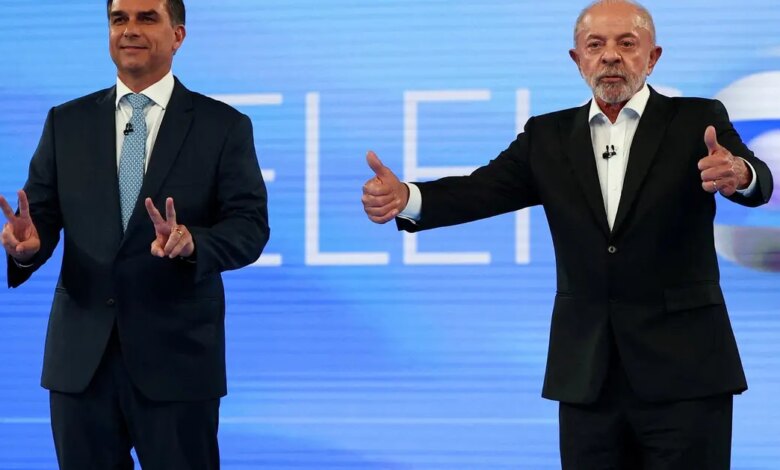
Brazilians cast their ballots on Sunday in a pivotal presidential runoff that pits incumbent left-wing leader Luiz Inácio Lula da Silva against right-wing challenger Flávio Bolsonaro. The contest, characterized by its narrow margins, serves as a referendum on the economic and geopolitical trajectory of Latin America’s largest nation.
Flávio Bolsonaro, the son of Brazil’s former president, has campaigned on a platform of fiscal conservatism and strengthened international alignment with the United States. His agenda includes a commitment to lower public spending, a prospect that has already resonated with investors. Following Bolsonaro’s performance in the first round of voting, financial markets experienced a notable surge, reflecting a bullish sentiment toward his proposed economic reforms.
The geopolitical stakes of the election extend beyond Brazil’s borders. If Bolsonaro secures a victory, it would mark the eighth consecutive win for right-wing candidates in Latin American presidential contests. This trend is viewed as a significant development for U.S. foreign policy, as it would likely bolster efforts by Washington to expand its influence across the region through closer ties with the Bolsonaro administration.
In contrast, President Luiz Inácio Lula da Silva enters the runoff facing a decline in public approval. While the country has maintained relatively low unemployment rates and demonstrated solid economic growth during his current tenure, the administration has been dogged by concerns over massive national debt. This financial burden has weighed heavily on the president’s popularity, partly explaining why the race has tightened significantly in the final weeks.
The campaign has been marked by ambitious and expensive promises from both camps. Both Lula and Bolsonaro have presented costly pitches to the electorate, promising various benefits and programs to win over undecided voters. However, both candidates have faced criticism for failing to provide specific details on how these expansive proposals would be funded given the country’s existing fiscal constraints. As the polls close, the final results are poised to define Brazil’s role on the global stage and its internal fiscal policy for the coming years.