Russia Dispatches First Diesel Tanker to United States as Domestic Fuel Prices Approach Record Highs

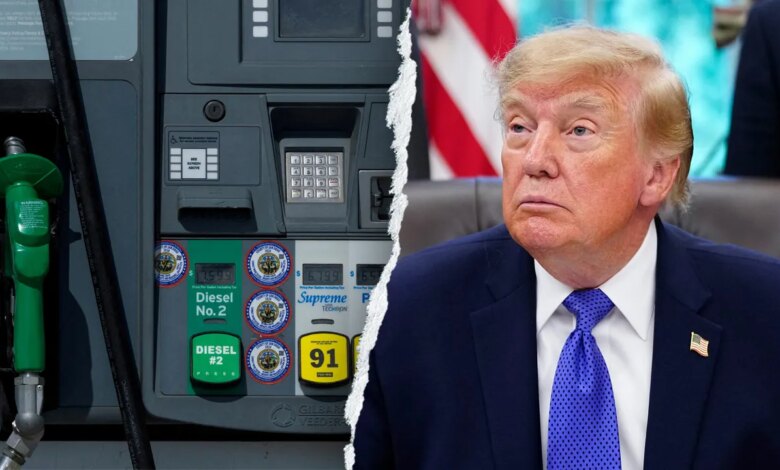
The first shipment of Russian diesel since 2023 is currently en route to the United States, carrying 40,000 tons of fuel toward New York following a high-level energy agreement between President Donald Trump and Russian President Vladimir Putin. The delivery arrives as American diesel prices have surged past $6 per gallon, placing heavy financial pressure on consumers, farmers, ranchers, and truck drivers ahead of the midterms.
Kremlin spokesperson Dmitry Peskov confirmed the departure on Friday, stating that the initial vessel had sailed toward customers and that regular supplies would follow. The agreement, struck earlier in the month following what Trump described as a highly successful discussion, involves substantial fuel releases into the global and American marketplaces. According to announcements by the U.S. administration, Putin agreed to immediately supply over 300,000 tons of diesel fuel, followed by another 500,000 tons throughout November, and 1,000,000 tons immediately thereafter.
Trump further stated that based on the operational condition of Russian diesel refineries, an additional 3,000,000 tons of fuel will be delivered within a short timeframe. To facilitate the transaction, the U.S. president waived most sanctions on Russia and entities purchasing its fuel under the Graham Act, legislation previously backed by the late Senator Lindsey Graham.
The policy shift has drawn immediate criticism and strategic concern from military experts. Retired Marine Corps Major General Arnold Punaro, appearing on television coverage, questioned the efficacy and geopolitical consequences of the arrangement. Punaro noted that the initial 40,000-ton cargo represents only a couple of hours’ worth of domestic diesel consumption.
While acknowledging that lowering fuel prices is a legitimate and necessary policy goal, Punaro criticized the decision to lift sanctions and purchase energy from Moscow while the ongoing war in Ukraine continues. He pointed to recent massive ballistic missile attacks on Kyiv that damaged energy infrastructure as evidence that the fuel trade risks indirectly supporting military operations against Ukraine. Punaro urged officials to reverse the tanker, pivot away from Russian energy purchases, and reinforce alternative domestic initiatives to achieve price relief.
Administration officials, however, maintain that the combination of the Russian energy agreement and American control over the Strait of Hormuz will drive down diesel and global fuel prices rapidly, providing essential economic relief to key domestic industries.