Australians rushing to finalize their financial paperwork have just days left to submit their tax returns before facing potential financial penalties. The strict deadline for individuals lodging their own returns is set for 11:59 pm local time on Monday, November 2.
The final date differs from previous years because the traditional October 31 deadline fell on a Saturday, granting taxpayers a brief extension to complete their filings.
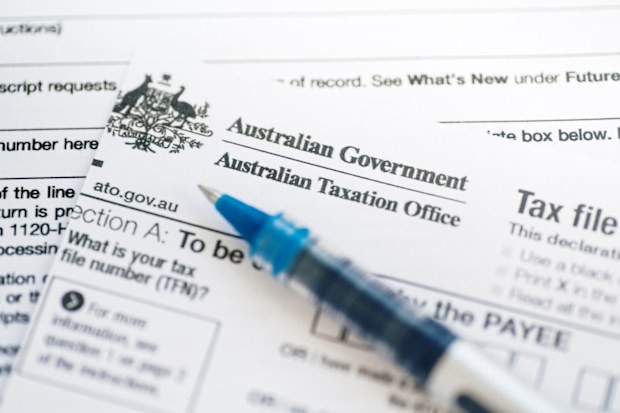
Failing to meet the deadline can result in a failure-to-lodge penalty of up to $364 for every 28-day period that the return remains overdue, accumulating to a maximum penalty of $1,820 for individual taxpayers.
However, separate rules apply to individuals who enlisted professional help. Eligible taxpayers who were on a registered tax agent’s books by October 31 may be granted an extended lodgement window stretching until May 2027.

Mark Chapman, director of tax communications at tax services firm H&R Block, noted that procrastinating until the final hours is a widespread habit among taxpayers. According to Australian Taxation Office figures released on October 19, approximately nine million returns had already been received, yet roughly two million Australians preparing their own filings had still not lodged.
While that figure does not mean every one of those individuals will miss the cutoff, it demonstrates how many taxpayers delay addressing their tax affairs until the final weeks.

Chapman pointed out that procrastination stems from various factors, noting that some individuals delay out of sheer habit, while others worry about receiving an unexpected tax bill, feel uncertain about legitimate deductions, or feel overwhelmed by complex paperwork. He emphasized that such financial uncertainty is understandable, particularly when personal financial circumstances grow more complicated, but stressed that it should not become an excuse to avoid filing entirely.
Missing the deadline does not automatically trigger a fine in every single instance. Chapman explained that the tax authority generally adopts a reasonable approach toward isolated late submissions, especially for taxpayers with a strong compliance history or those who are ultimately expecting a financial refund.

Trouble typically arises when individuals repeatedly miss filing deadlines, maintain outstanding returns from previous years, or ignore formal reminders issued by the agency.
Tax experts strongly advise against postponing a return simply because an individual anticipates owing money. Delaying lodgement does not alter the eventual payment due date and exposes the filer to unnecessary additional penalties.