In an arid landscape where every drop counts, a proposed technology development in the desert near Tucson has ignited a fierce community debate over water security, economic growth, and the expansion of artificial intelligence infrastructure.
On a warm evening in August, residents gathered near a construction site on the outskirts of Tucson, hoisting hand-painted signs warning that a planned mega-facility would drain local water reserves. The protest was organized by the No Desert Data Center Coalition, which has adopted a concise rallying cry: “Not a drop for data.”

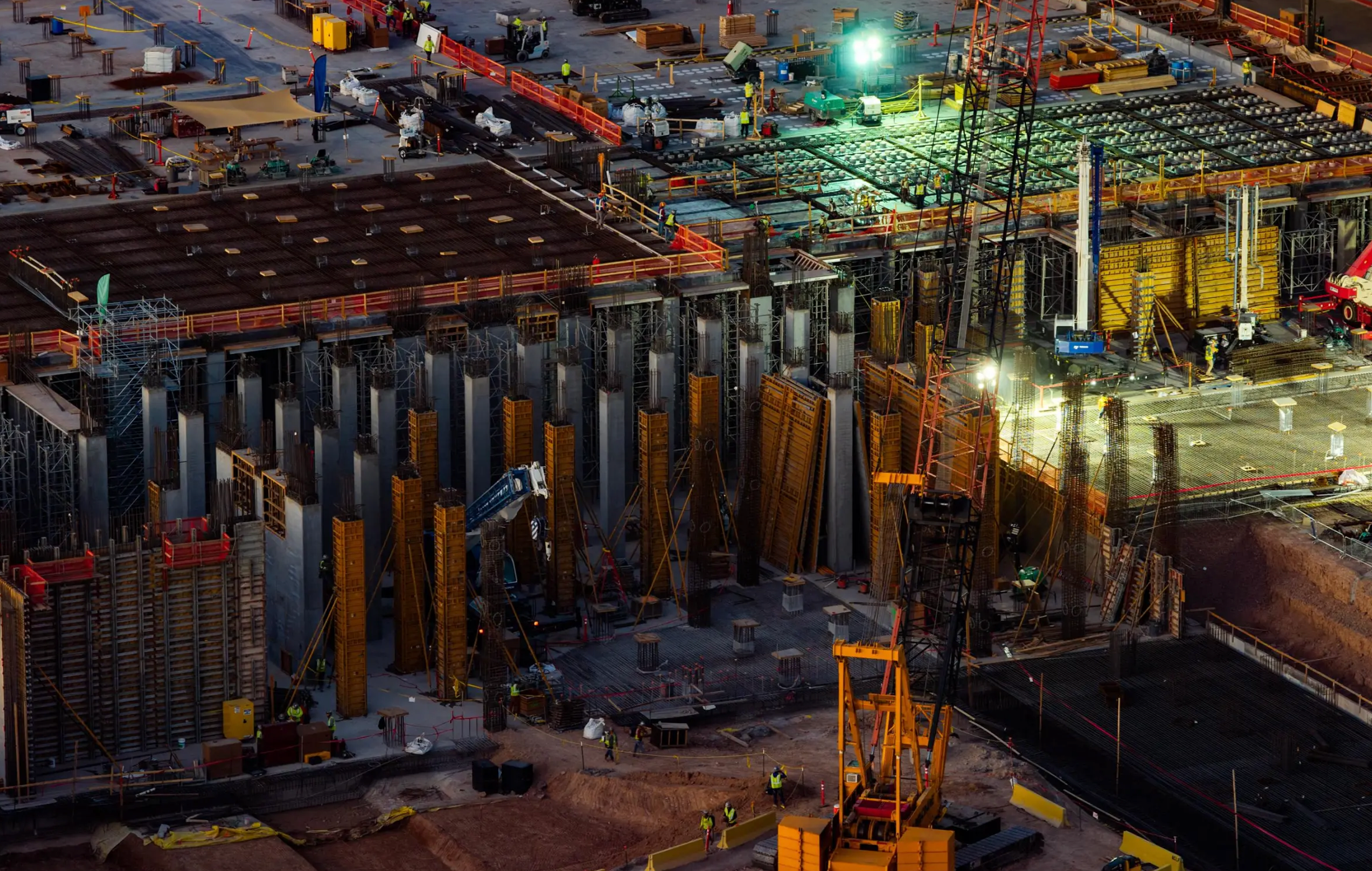
The facility at the center of the controversy is known as Project Blue. Planned for Pima County, the 290-acre, 600-megawatt development was initially pitched by developer Beale Infrastructure with promises of significant economic dividends, including roughly 3,000 temporary construction jobs, 200 high-paying permanent positions, and an estimated $152 million in tax revenue over its first decade.
However, early secrecy surrounding the project heightened local skepticism. Initial discussions between local officials and developers involved nondisclosure agreements, keeping the identities of the backers and specific water allocation plans out of the public eye. When Beale held public information sessions in July 2025, drawing crowds of up to 1,000 people, representatives faced immediate pushback.

To address water concerns, Beale initially proposed building an 18-mile pipeline to supply the data center with reclaimed water, using drinking water only until the pipeline was completed. When Tucson officials declined to approve the arrangement, Beale shifted its strategy to the county level, dropping the pipeline proposal entirely. Regulators subsequently authorized wells at the site allowing the extraction of up to 31 million gallons of groundwater annually for construction purposes. A company spokesperson emphasized that once operational, the facility’s water consumption would be restricted to domestic needs such as restrooms and kitchens.
Beale also abandoned water-cooling technology in favor of a closed-loop air-cooled design. While this change reportedly led Amazon Web Services to withdraw as a potential client due to infrastructure requirements, Beale maintained that the new cooling approach would not increase the project’s overall energy consumption. Nevertheless, local anxiety persisted, fueled in part by contractors using municipal fire hydrants for dust suppression, prompting officials to require compensation for roughly 650,000 gallons of drinking water consumed during construction. In September, the Pima County Board of Supervisors instituted a 120-day moratorium on new data center approvals, though the measure did not halt Project Blue’s ongoing construction.

Similar friction has surfaced about 20 miles northwest in Marana, where Beale has proposed a 600-acre data center campus on former agricultural land. While local officials previously enacted restrictions prohibiting municipal water use for cooling systems, developers projected $407 million in tax revenue over a decade. The debate there reshaped local politics: cyber security analyst Jackie McGuire, who campaigned against the project to preserve the town’s character and guard against tech industry volatility, was elected to the Marana Town Council after residents collected roughly 2,800 signatures for an intended ballot measure that officials ultimately rejected on procedural grounds.
By contrast, another major industrial water user in Arizona has encountered a markedly different reception. In Phoenix, Taiwan Semiconductor Manufacturing Company operates a sprawling chip-making campus that employs more than 3,500 people and consumes approximately 4.75 million gallons of municipal water daily. Semiconductor fabrication requires immense volumes of ultrapure water to repeatedly rinse silicon wafers—a process Paul Westerhoff, director of the Global Water Technology Center at Arizona State University, noted can occur between 50 and 250 times per chip.
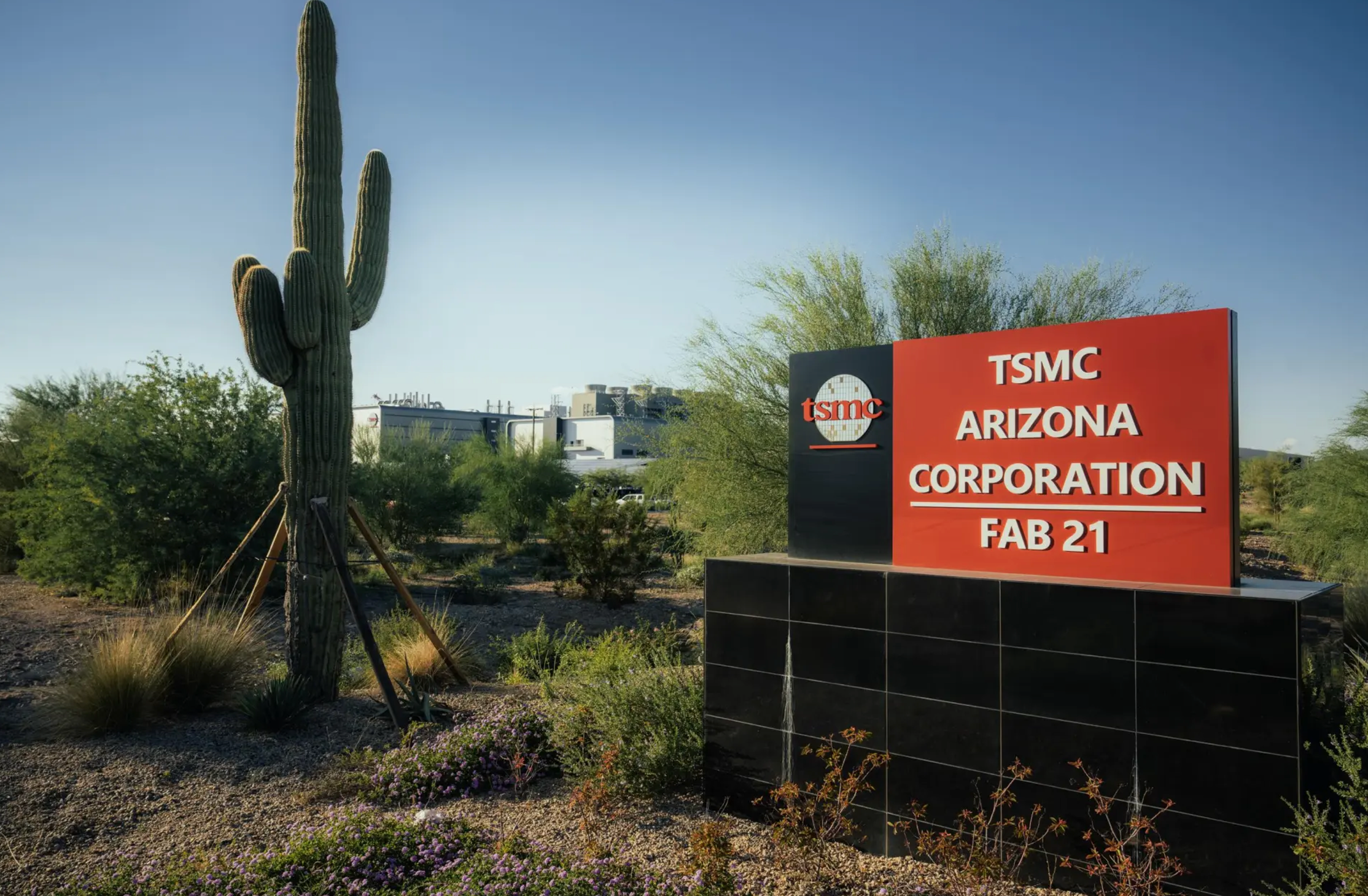
Yet experts emphasize a distinction between water use and consumption. Sarah Porter, a water policy specialist at Arizona State University, pointed out that TSMC currently recycles about 60% to 65% of the water used at its initial Phoenix facility, with a target of reaching 90% by 2028. Local officials have embraced the semiconductor investment for its substantial economic output. Christine Mackay, Phoenix’s economic development director, defended the resource allocation by pointing to the robust ecosystem of suppliers, restaurants, and jobs generated by the investment.
For residents weighing the value of incoming industry, however, a sprawling data center with a minimal permanent workforce offers a less compelling trade-off than a manufacturing plant, particularly amid broader anxieties over AI’s economic footprint. Furthermore, water analysts note that data centers represent only a fraction of regional consumption. Irrigation agriculture accounts for roughly 70% of the desert state’s total water use, supporting crops such as cotton, citrus, and alfalfa. For instance, foreign-owned agricultural operations in the state have previously drawn scrutiny for consuming billions of gallons annually to cultivate animal feed for export.
Environmental concerns extend beyond water volume to water quality. Semiconductor manufacturing involves fluorine-containing chemicals, including persistent per- and polyfluoroalkyl substances, or PFAS. Local environmental advocates have raised concerns that industrial effluent could exacerbate existing groundwater contamination from legacy military and manufacturing sites in the Tucson area. TSMC stated it is continually refining its detection systems, developing wastewater removal technologies, and exploring substitute materials.
As technological investment continues to reshape the Arizona desert, local communities remain caught between the promise of economic development and the imperative of preserving long-guarded natural resources for future generations.