The launch of Apple’s iPhone Duo has been met with significant technical scrutiny following a wave of reports regarding screen failures. Independent hardware analysts have identified a pattern of malfunctions centered on the device’s complex hinge, highlighting a potential conflict between the phone’s sophisticated folding mechanics and the long-term durability of its flexible display.
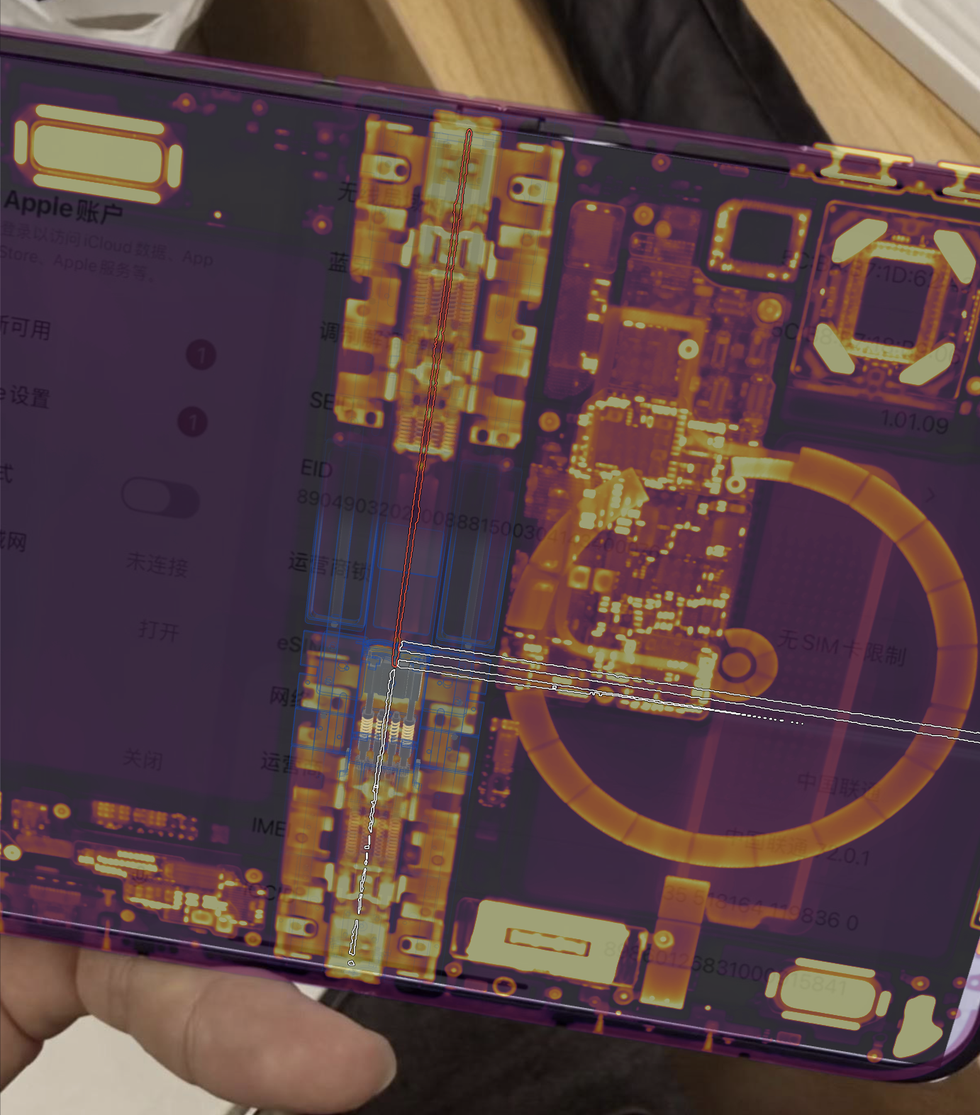
Users experiencing the failures report a consistent set of symptoms. These typically manifest as a longitudinal black line or crack appearing in the center of the screen near the hinge, often accompanied by horizontal bright lines across the right half of the display. Technical teardowns of the device reveal that these malfunctions are occurring in a specific localized area: the junction where the flexible display cable channels meet the central support structure.
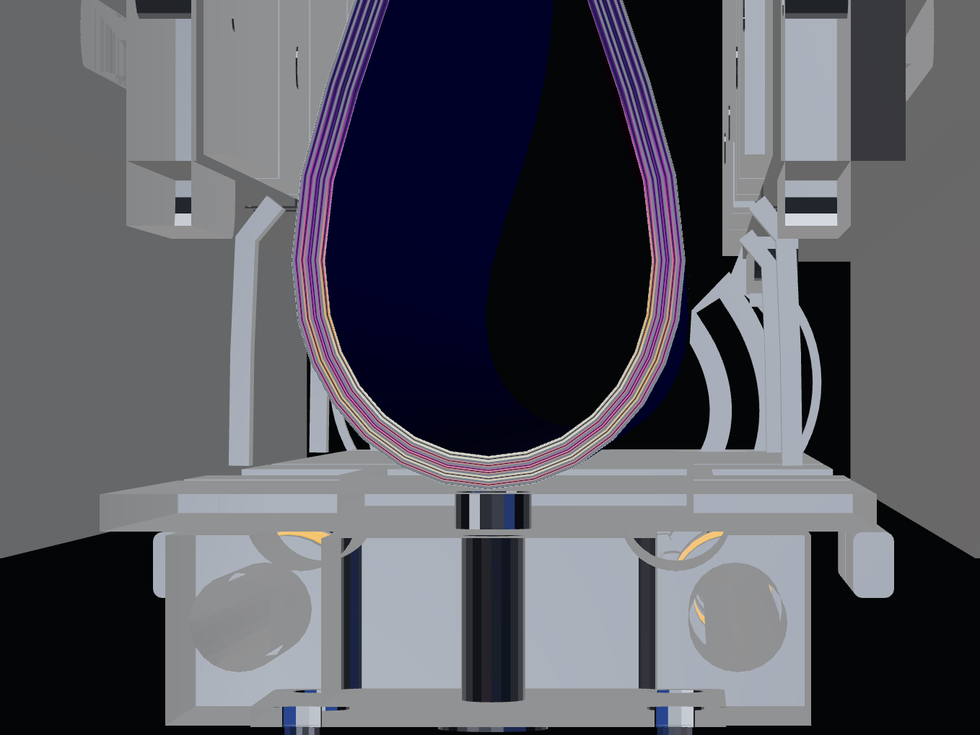
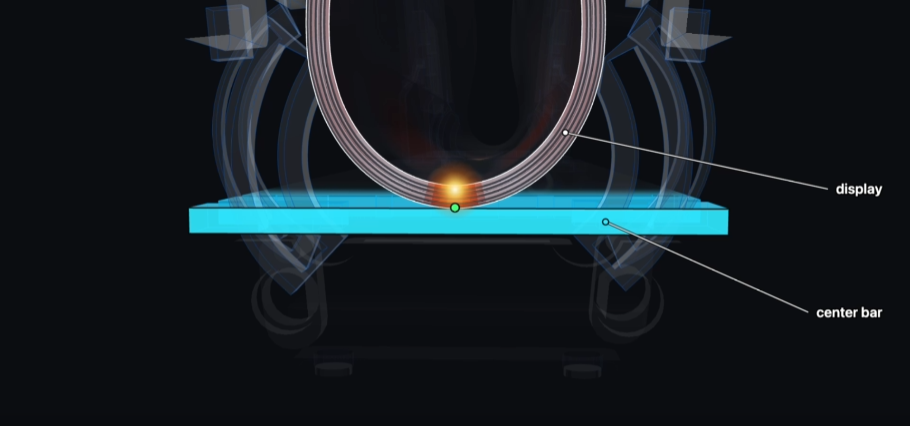
The iPhone Duo utilizes what is known as a “waterdrop” folding structure. This design relies on a complex system of gears, springs, and multiple interconnected metal joints intended to manage the screen’s curvature during folding. The assembly includes curved guide rails designed to ensure that each joint follows a predetermined path, theoretically reducing the amount of stretching and compression the OLED panel undergoes. However, 3D modeling of the failed units suggests that the center-bottom portion of the hinge is a primary stress point.
Hardware analysts have proposed several hypotheses for these failures. One theory suggests that the central axis or nearby moving parts may be jamming during the opening and closing process. Another possibility involves the central support rod; if this component fails to sink as deeply as designed when the phone is closed, it could cause localized pressure against the display cables. Because the electrical connections in these areas are minute, even a microscopic fracture or localized stress point can result in the failure of entire rows or columns of pixels.
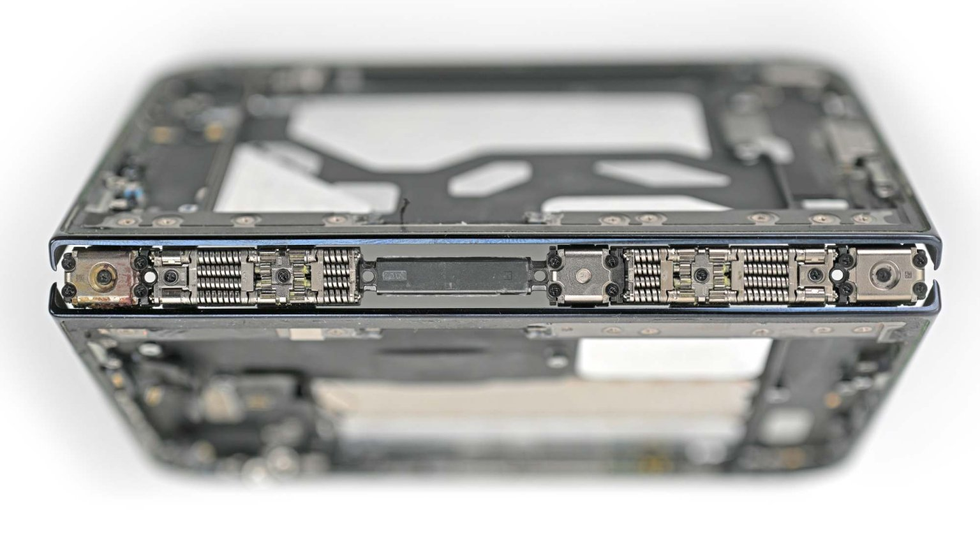
Despite these mechanical concerns, the iPhone Duo has received relatively high marks for repairability compared to other foldable devices on the market. A preliminary repairability score of 5 out of 10 was issued by technicians, who noted that the outer screen is unusually easy to remove without damaging the device. Additionally, the inner screen features a bezel secured by clips rather than permanent adhesive, and a nano-texture protective layer that can be replaced independently of the OLED panel itself. However, the internal complexity remains high; replacing the entire inner display requires navigating multiple layers of strong adhesive, and any repair to the hinge mechanism necessitates the complete removal of the flexible screen and its support frame.
The cost of maintenance remains a significant barrier for those without insurance. Official repair estimates for an out-of-warranty inner screen replacement are approximately 7,998 RMB—nearly half of the device’s 15,999 RMB starting price. An outer screen repair is estimated at 3,198 RMB. For customers with AppleCare+, these costs are substantially reduced to 628 RMB and 188 RMB, respectively.
In the marketplace, the iPhone Duo is experiencing a curious economic paradox. While official Apple channels show delivery wait times extending into January 2027, prices on third-party platforms have already begun to dip below the suggested retail price. On some major e-commerce platforms, the 256GB model has seen subsidies bringing the price down to 15,799 RMB, while the 512GB version is being offered at 17,799 RMB. The secondary market has seen similar cooling; some local vendors are reporting recycling prices for the 512GB model at 17,950 RMB, which is slightly below the official MSRP.
Official customer service representatives have attributed these third-party price drops to platform-specific subsidies and localized supply-demand fluctuations. They noted that while some retailers may have ample stock, the high volume of orders on the official site reflects a more stable demand. Apple also indicated that current delivery delays are a result of limited initial production capacity, though some customers have seen their delivery dates moved up following order cancellations by others.
To address the supply shortage, industry reports indicate that Apple has requested a 30% increase in production orders from its suppliers. Original estimates for 2026 shipments have reportedly been revised upward from 6 million units to between 8 million and 10 million units. Looking further ahead, the company is said to be targeting a shipment volume of 33 million units for 2027. The primary bottlenecks currently hindering this expansion are the limited supply of specialized hinge components and the inherent difficulty of the device’s assembly process.