Major artificial intelligence super PAC networks, initially positioned to exert significant influence over the midterm elections, have dramatically curtailed their spending on competitive congressional races following intense public backlash against data center expansions and automated labor.
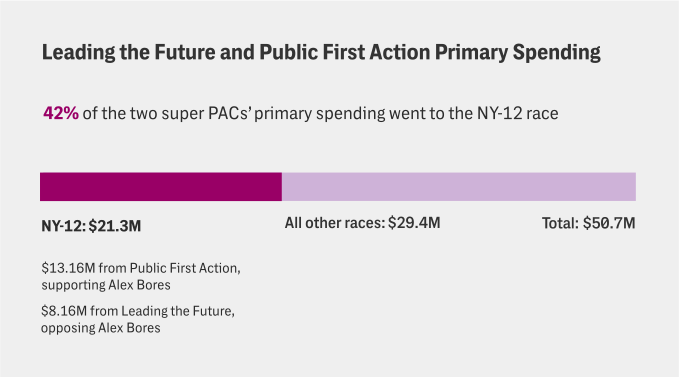
Earlier this year, super PAC networks backed by millions of dollars from executives and investors at firms such as OpenAI and Anthropic deployed substantial sums into high-profile primary contests. Among them was a notable Democratic primary in New York’s 12th Congressional District, where the super PAC Leading the Future spent heavily against state lawmaker Alex Bores, author of a local artificial intelligence regulation bill. While Bores was defeated in June by State Assembly colleague Micah Lasher, the aggressive intervention drew widespread criticism. Critics and political observers noted that the heavy spending ultimately elevated Bores’ profile as an industry opponent and galvanized voter resistance.
Following the primaries, the primary artificial intelligence-aligned super PAC networks sharply reined in their general election expenditures. Federal Election Commission records and independent race analytics indicate that only a small fraction of their direct outlays have gone toward contested general election seats that could determine control of the next Congress.
Leading the Future, which accumulated substantial cash reserves—including $25 million donated last year by OpenAI president Greg Brockman and his wife, Anna Brockman—has directed much of its general election funding toward safe seats or specific incumbents. Through its affiliated committees, American Mission for Republicans and Think Big for Democrats, the network utilized Delaware-incorporated limited liability companies, such as Summit Ridge Media Group and Lantern Production Consultants, to route tens of millions of dollars in spending. Campaign finance watchdogs, including the Campaign Legal Center, have filed complaints alleging these arrangements obscure underlying vendors and violate disclosure guidelines, though the Federal Election Commission currently lacks the quorum required to take formal action.
Meanwhile, a rival network, Public First, launched with backing from figures including Anthropic CEO Dario Amodei, who contributed $1 million alongside millions more directed to an affiliated nonprofit restricted from election spending. Public First initially spent very little on the general election before gradually increasing modest outlays for select candidates.
The strategic retreat reflects a broader political miscalculation regarding public sentiment. According to a poll conducted by Data for Progress across Iowa, Michigan, and Ohio on behalf of the grassroots group Guardrails Alliance, approximately three-quarters of voters indicated they were less likely to support a candidate backed by an artificial intelligence super PAC, with concerns outpacing those associated with cryptocurrency committees or traditional lobbying groups. Bipartisan opposition to data center developments has emerged as a prominent campaign issue in competitive districts, such as Michigan’s 7th Congressional District.
As major industry-backed committees maintain a low profile in competitive races, new advocacy groups such as the Guardrails Alliance have stepped into the landscape, deploying funds to counter corporate influence. Concurrently, major artificial intelligence networks have begun adapting their tactics, funneling resources into pre-existing political committees and nonprofit organizations focused on infrastructure advocacy rather than direct candidate support.