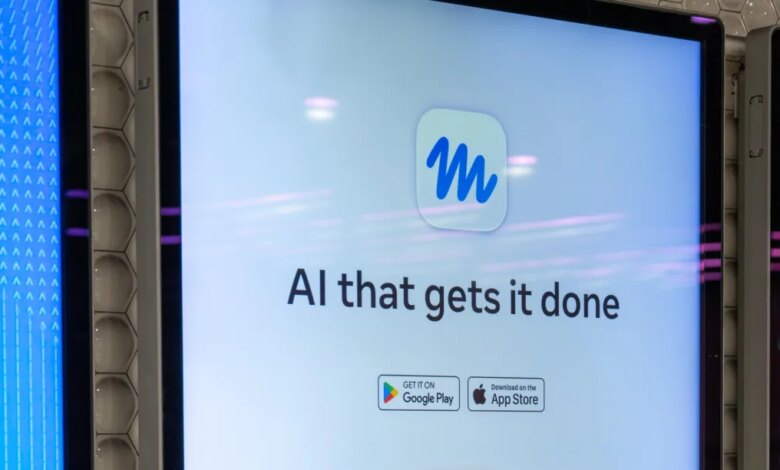
For many, the modern experience of adulthood is defined by the “invisible load”: an unending stream of carpool coordination, meal planning, bill paying, and the relentless pinging of school group chats. While Silicon Valley has spent years offering chatbots to answer questions, a new class of technology known as AI agents is now being marketed as the definitive fix for this mental overload.
Unlike traditional chatbots such as ChatGPT or Claude, which largely wait for a user to provide a prompt, these new AI agents are designed to be proactive. They function as digital assistants that move through a user’s ecosystem—scanning emails 24/7, monitoring calendars, and even checking bank accounts—to flag conflicts or complete tasks before they are even requested.
Sari Azout, a tech worker and mother of three, described the shift as transformative after an agent handled her back-to-school shopping. Azout noted that the automation of these tasks allowed her to feel more present during family time, suggesting that the technology could reclaim time previously lost to administrative drudgery.
The current market for these tools is being led by two primary competitors: Meta’s Muse and OpenAI’s Dots. The barrier to entry for these products differs significantly. Meta’s Muse is currently free to download and features deep integrations with existing platforms like Facebook Marketplace. Conversely, OpenAI’s Dots is currently positioned as a premium product, sitting behind a $100-per-month paywall.
Practical applications for these agents are already emerging. Software reporter Reece Rogers, who has been testing both platforms, found the agents useful for complex consumer tasks like furniture shopping. While hunting for a specific sleeper sofa with strict budget and color requirements, Rogers found that Muse’s integration with Facebook Marketplace allowed it to locate local options just blocks away. Meanwhile, OpenAI’s Dots created a detailed packet of options and automatically flagged a 40 percent discount on a preferred item several days later.
However, this level of utility requires a degree of data access that has raised significant privacy alarms. To function at peak efficiency, agents often request access to sensitive information, including bank statements, work communication channels like Slack, and even passport expiration details.
The risks associated with such deep integration are not merely theoretical. In one instance, a user who connected an AI agent to both a bank account and a company Slack channel watched as the tool inadvertently posted their private checking account balance to the entire office.
Security experts also warn that Meta’s Muse automatically opts users into data sharing, meaning every interaction is used to train Meta’s underlying AI models. Users are encouraged to manually navigate settings to disable these features if they wish to protect their personal information from being harvested for model development.
There is also a notable shift in how these companies are presenting AI to a skeptical public. With AI backlash reaching a “fever pitch,” developers are moving away from sterile, high-tech aesthetics in favor of “cute” marketing. Muse is designed to look like a furry, cuddly hybrid of a Labubu and an Ewok, while OpenAI’s tools utilize endearing, large-eyed blobs. This design choice is seen as a deliberate attempt to build trust and entice users who may have ethical or moral reservations about the technology.
Despite the promise of a “leisure utopia” where AI handles the boring aspects of life, some early observers remain cautious. While agents may successfully clear a person’s plate of tedious chores, there is a growing concern that the resulting free time will simply be filled with more work and productivity measures rather than actual leisure. Whether these agents represent a true liberation from the mental load or just a more efficient way to remain busy is a question that remains unanswered as the technology enters the mainstream.