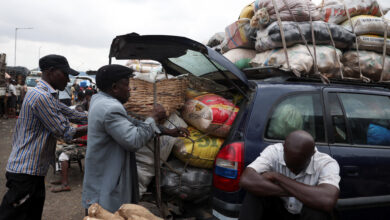
The protracted international debate over whether developing African nations should utilize natural gas as a transition fuel toward renewable energy has largely subsided. Western financial institutions had previously withheld investments from gas infrastructure projects, contending that such funding would trap developing economies in long-term fossil fuel dependence. In response, African policymakers consistently pointed out that advanced economies developed their industrial wealth through coal and oil, while the entire continent of Africa contributes less than four percent of global carbon emissions.
However, the severe energy shocks triggered by the Iran conflict have fundamentally altered the landscape, effectively silencing the transition debate. The global market’s urgent demand for electricity generation and heavy industrial power has forced a reassessment of supply security. Andrew Farrand, director of the Middle East and North Africa practice at consultancy Horizon Engage, noted that state-owned enterprises in the Gulf are actively seeking stakes in gas projects after facing direct strikes. In the current global climate, diversification has become an operational necessity for major producers.
Prior European efforts to eliminate reliance on Russian pipeline supplies had already initiated market adjustments. Furthermore, the administration of U.S. President Donald Trump has urged the World Bank to lift its existing ban on financing upstream gas exploration and development.
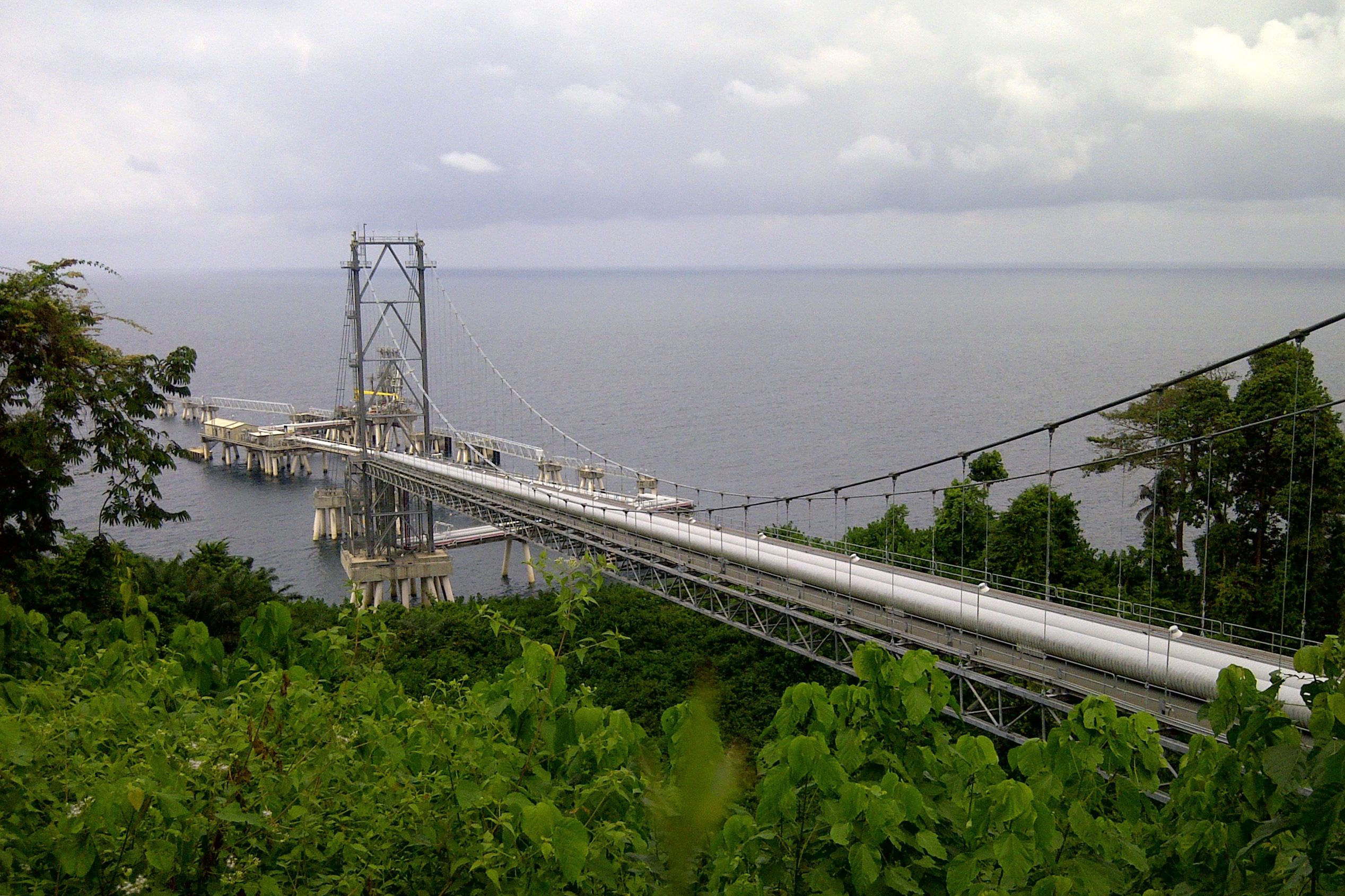
Nigeria, which holds the ninth-largest proven natural gas reserves globally, has emerged as a primary beneficiary of these shifting dynamics. Increased international demand for Nigerian liquefied natural gas has coincided with a surge of capital commitments, reviving exploration discoveries that remained undeveloped for decades.
Timi Soleye, president of the Lagos-based energy firm CRYO Gas & Power, reported receiving an unprecedented wave of investor inquiries in recent months. According to Soleye, the fundamental risk calculus governing large-scale gas investments in Nigeria has shifted substantially. He added that the Gulf of Guinea, which serves as the maritime transport route for gas exports from Nigeria and Equatorial Guinea, contains no narrow geographic chokes and would require a full naval blockade to disrupt.
With international capital returning, governments across the continent face a complex strategic choice. Policymakers in nations possessing significant gas reserves, including Mozambique, Senegal, and Tanzania, must now determine how to divide their resources between immediate export revenues and domestic retention for domestic electricity generation.
Both pathways demand substantial infrastructure expenditures. While immediate export agreements can rapidly expand state treasuries, dedicating gas reserves to domestic industrialization carries the potential for a more substantial, long-term economic payoff.