The continental body tasked with managing health crises in Africa has issued a stark ultimatum to international aid groups, demanding a full accounting of more than $700 million in funding allocated to combat a devastating Ebola outbreak in the Democratic Republic of Congo. The demand, led by Africa CDC, highlights a deepening rift between local sovereignty and the global humanitarian organizations currently operating within the region.
Jean Kaseya, the Director General of Africa CDC, revealed that the Congolese government in Kinshasa has only been formally notified of the expenditure of approximately $220 million out of the total $962 million donated by the international community. This discrepancy—representing nearly three-quarters of the total aid—has prompted the continental health body to accuse global organizations of failing to respect Congolese sovereignty and failing to cooperate with local authorities.
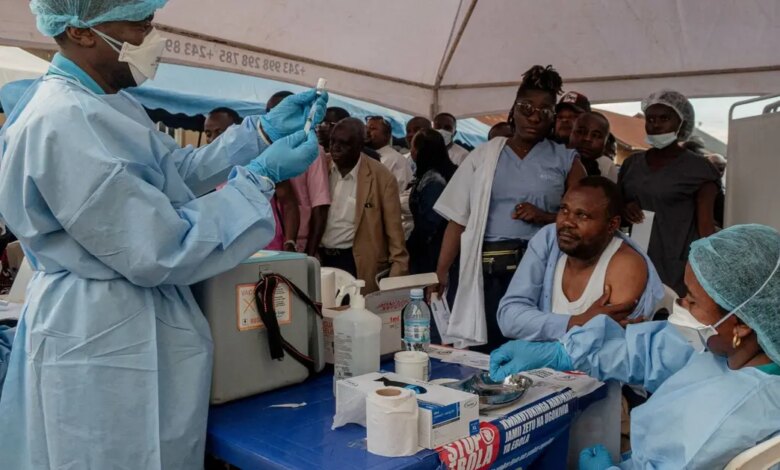
The human stakes are underscored by the severity of the health crisis. The current outbreak has claimed more than 4,600 lives in the Democratic Republic of Congo, making the transparency of the financial response a matter of urgent public concern. In a pointed statement, Africa CDC expressed that it “strongly deplores the lack of cooperation” from these organizations and warned that their permission to operate within the country could be rescinded if they fail to comply with the government’s reporting demands.
From the perspective of international coordinators, the issue is portrayed as a logistical challenge rather than a lack of transparency. Julien Harneis, the United Nations’ senior Ebola coordinator, noted that while a joint system with the World Health Organization (WHO) is already in place to track disbursements from donors, the specific request from the Congolese government for individual recipients to report their receipts and expenditures is a new requirement. Harneis indicated that the process of gathering and submitting this data takes time, though he pointed out that 43 organizations have already submitted the required financial information.
The World Health Organization has expressed support for the government’s efforts to establish a more rigorous tracking mechanism. WHO spokesperson Tarik Jasarevic stated that the organization supports clear and transparent processes for financial oversight, including the mechanism established by Kinshasa to account for funds delivered by various international partners.
Despite the focus on the hundreds of millions that remain unaccounted for in government reports, aid agencies continue to report ongoing budget shortfalls. The WHO reports that its specific $115 million budget for the Ebola response is currently 80% funded. Meanwhile, UNICEF presents a more dire financial picture; Fleur Vernat, the agency’s partnerships manager in the DR Congo, reported that their response efforts are currently facing a massive 65% funding gap.
This fiscal tension creates a paradox for the response efforts: while continental authorities demand to know where nearly a billion dollars has been spent, the agencies on the ground claim they are operating with insufficient resources to fully contain the virus. The outcome of this standoff could redefine how international aid is monitored in Africa, as the Africa CDC continues to push for greater local oversight and accountability in the face of widespread public health emergencies.