As Israelis prepare to head to the polls on October 27, the nation’s political landscape is being reshaped by a single, volatile issue: the military conscription of the ultra-Orthodox, or Haredi, minority. In an election cycle already burdened by the fallout of multi-fronted wars, security failures, and a soaring cost of living, the question of who serves in the Israel Defense Forces (IDF) has moved from a chronic social friction point to the decisive battleground of the 2026 campaign.
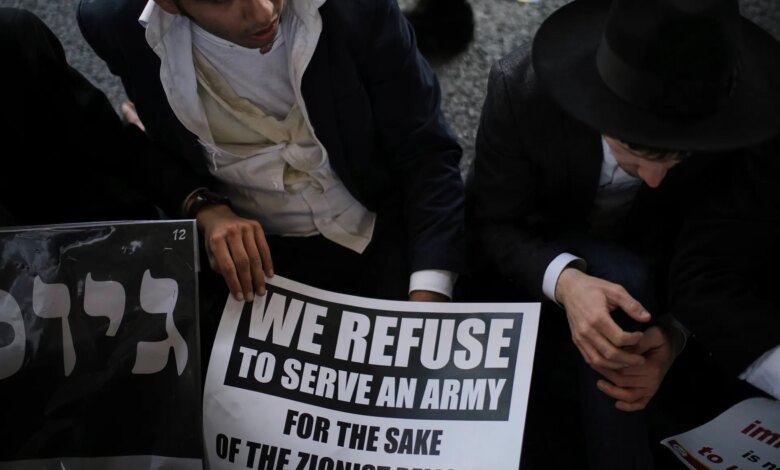
The scale of the divide is highlighted by an estimated 80,000 Haredi men between the ages of 18 and 24 who are currently avoiding military service. While their political representatives in the Shas and United Torah Judaism (UTJ) parties argue that Torah study and prayer provide an essential spiritual shield for the state, a growing majority of the public views the exemption as untenable draft dodging during a time of existential conflict.
Political tensions reached a flashpoint on Tuesday when Prime Minister Benjamin Netanyahu publicly opposed the arrest of 40 Haredim who were detained for draft evasion upon their return to Israel from the United States. The arrests occurred despite a law passed earlier this year intended to temporarily halt such detentions. Speaking to the Haredi radio station Kol Barama, Netanyahu defended the exemption, stating, “We must preserve the world of Torah because it preserved us.” He characterized the arrests as a “deliberate attempt” to disrupt the process of integrating Haredim into the military without the use of state coercion.
However, Netanyahu’s alignment with the ultra-Orthodox parties has provided an opening for his political rivals. Gadi Eisenkot, the former Chief of Staff whose Yashar party currently maintains a narrow lead over Netanyahu’s Likud in recent polling, has placed conscription at the heart of his platform. Following an early October incident in Modi’in, where ultra-Orthodox protesters clashed with security forces attempting to arrest a draft dodger, Eisenkot condemned the “dangerous world view” that seeks to normalize evasion.
“That is what the upcoming election is about: Netanyahu’s draft-dodging government, or a government of conscription led by me,” Eisenkot said, framing the vote as a choice for those who feel the current system treats serving citizens as “suckers.”
This sentiment is backed by significant public data. A September poll by the Israel Democracy Institute revealed that 72 percent of Israelis want to see the Haredi population drafted alongside other eligible citizens. This demand for “equality of burden” has even permeated Netanyahu’s own Likud party, with some lawmakers warning that continued mass exemptions could threaten the state’s long-term survival. Daniel Bar-Tal, a professor of psychology at Tel Aviv University, noted that Netanyahu faces a profound dilemma: the issue of equal service unites the secular and Zionist religious public, yet his coalition relies entirely on right-wing ultra-Orthodox parties who refuse to compromise.

The debate is further fueled by the immense economic and psychological toll of three years of warfare. Since the start of the war in Gaza in October 2023—which has resulted in the deaths of nearly 74,400 people and left the territory in ruins—the burden on Israeli reservists has intensified. An August survey found that 42 percent of Israelis reported their financial situations have worsened since the conflict began, with reservist families bearing the brunt of stagnant incomes and rising taxes.
Demographic trends suggest these pressures will only increase. The Haredi population currently stands at 1.26 million, accounting for 12.5 percent of the country. Projections indicate that by 2065, the community could represent between 20 percent and one-third of the total population. Shmuel Rosner, a senior fellow at The Jewish People Policy Institute, observed that the “blunt refusal” of Haredi leaders to consider a change during a period of national danger has alienated many who previously tolerated the status quo. Rosner noted that as the sector grows, the refusal of a large cohort of potential soldiers significantly increases the burden on the rest of the citizenry.
Despite the mounting pressure, the ultra-Orthodox political leadership remains uncompromising. Both Shas and UTJ have indicated they will not join any future government that does not pass legislation formally exempting their community from service. This hardline stance could make the formation of a traditional right-wing coalition impossible, regardless of the election’s raw vote count. As pollster Mitchell Barak observed, the opposition is successfully pitching the election as a choice between “the draft dodgers versus those who protect and serve,” a narrative that may prove to be the ultimate turning point for the Israeli electorate.