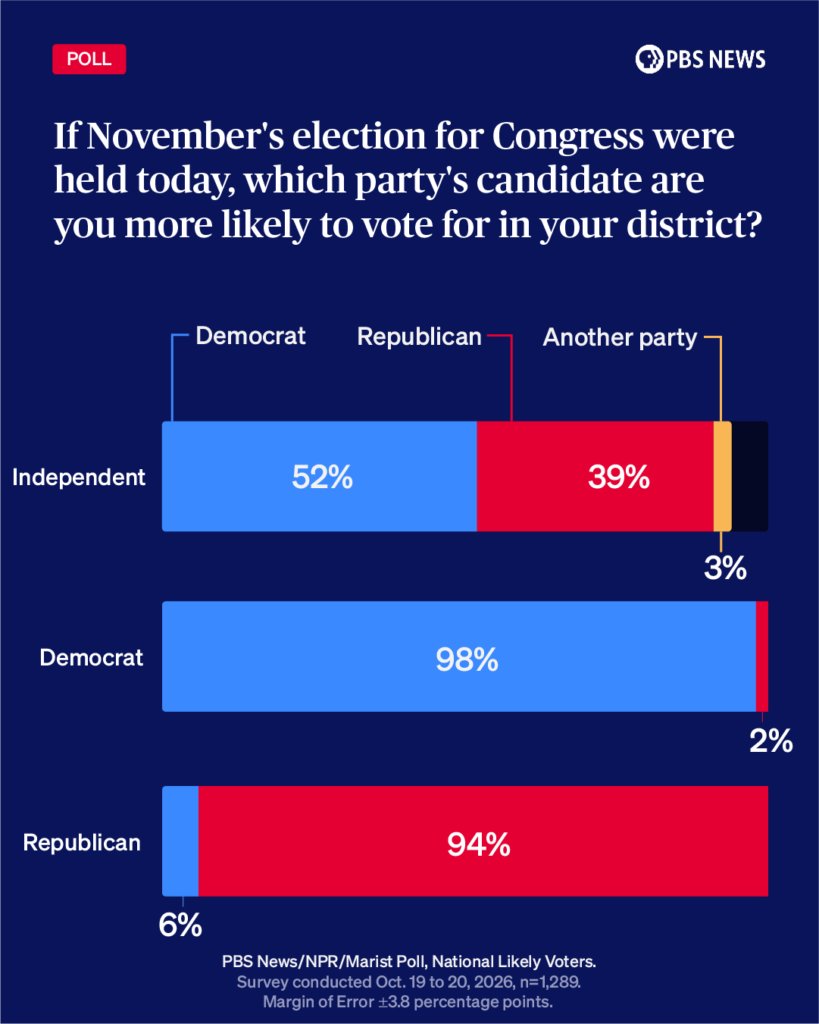
With exactly one week remaining before the 2026 midterm elections, Democrats have established an eight-point lead over Republicans in the battle for control of Congress. The latest national data indicates that 52% of likely voters would support a Democratic candidate in their district if the election were held today, compared to 44% who favor the Republican alternative. This advantage is bolstered by a significant 13-point lead among independent voters, a demographic currently breaking for Democrats by double digits.
The findings, released by the Marist Institute for Public Opinion, suggest that the race has remained remarkably stable during the final month of campaigning. While the Democratic lead among registered voters narrowed slightly from 12 points in September to 10 points in late October, the shift remains within the survey’s margin of error. Historically, these numbers echo the political climate of October 2018, when Democrats held a nine-point edge just before gaining 40 seats and reclaiming the House of Representatives.
Lee Miringoff, director of the Marist Institute, noted that the current landscape is defined by a lack of enthusiasm on the Republican side and a net advantage in partisan crossover. While not massive, the number of Republicans crossing over to vote for Democrats exceeds the number of Democrats supporting GOP candidates. “The House feels fairly settled for Democrats,” suggested Democratic strategist Joel Payne, who pointed to the fact that Republicans are currently forced to spend resources in deep-red states like Kansas and Mississippi to protect seats that should theoretically be safe. This assessment is supported by the Cook Political Report, which recently shifted its ratings for 47 House seats—every single one in the Democrats’ favor.
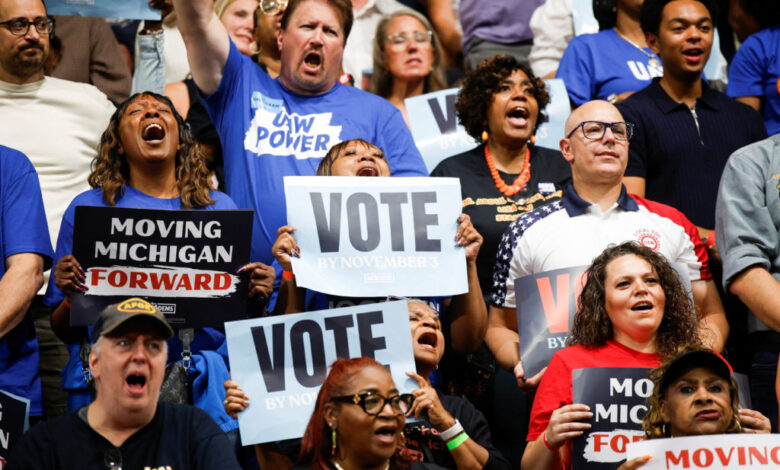
Turnout intensity appears to be the deciding factor as the clock winds down. Seven in 10 Democrats (71%) report being “very enthusiastic” about voting, compared to 61% of Republicans and 48% of independents. This enthusiasm is already manifesting in the more than 30 million ballots cast nationwide through early and mail-in voting. According to the University of Florida Election Lab, this includes 15.1 million ballots sent by mail and 15.5 million cast in person. Among those who have already voted, Democrats hold a massive 68% to 31% lead. Conversely, Republicans are heavily reliant on a massive Election Day turnout; half of Republican likely voters plan to cast their ballots on Nov. 3, while only 31% of Democrats intend to wait until Tuesday.
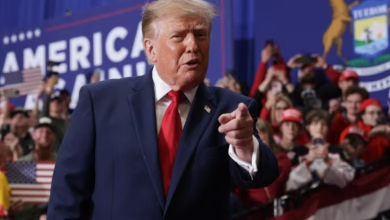
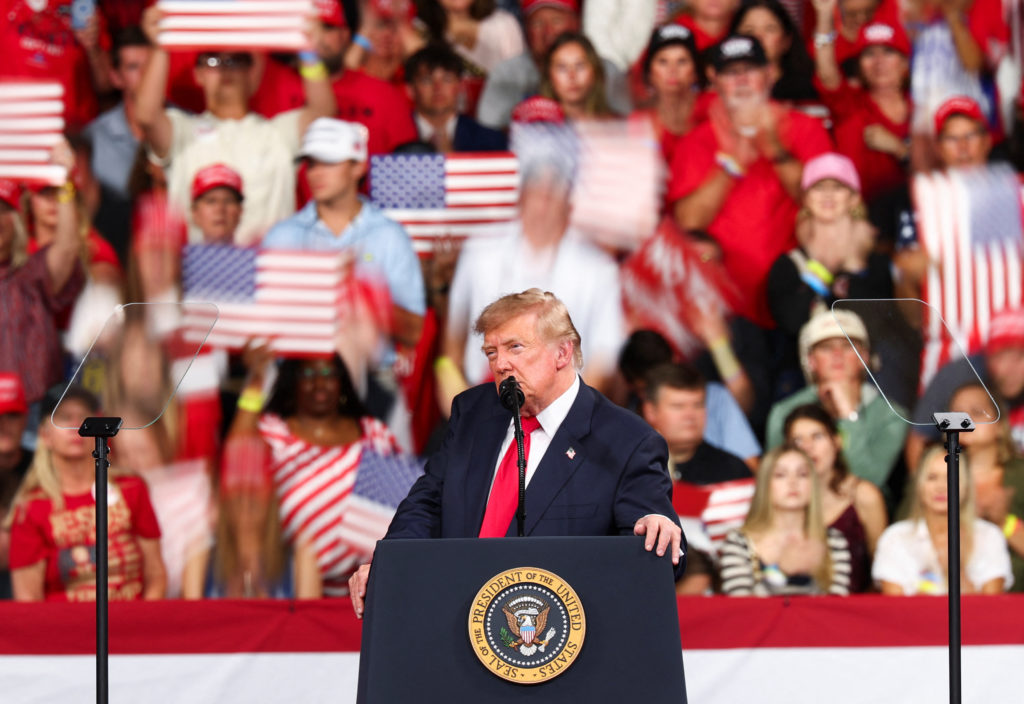
The midterm has effectively become a referendum on President Donald Trump, who has nationalized the race by holding rallies in over a dozen states since September. However, the strategy appears to be a double-edged sword. Likely voters say by a 2-to-1 margin that their ballot is a vote against the president rather than for him. While 21% of voters say they are casting their ballot to support Trump, 44% say they are voting specifically to oppose him. This sentiment is near-universal among Democrats (80%) and shared by 44% of independents. Only 12% of independents say their vote is meant to support the president.
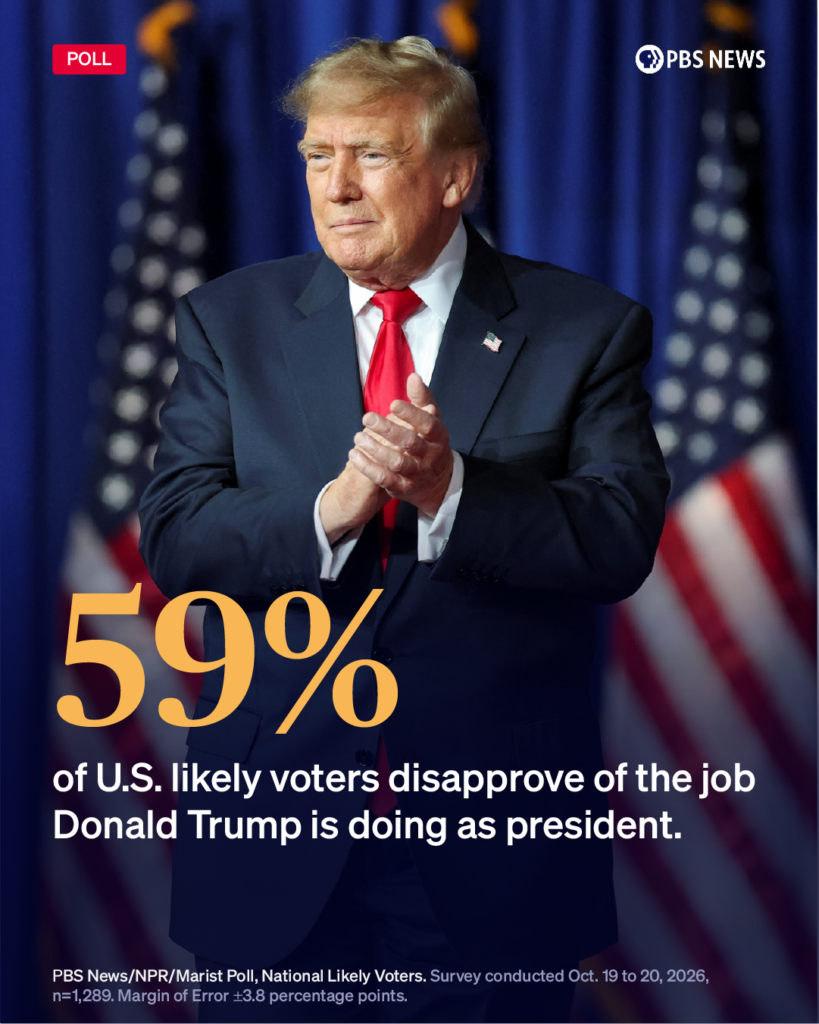
Trump’s approval rating remains a significant hurdle for the GOP. Only 40% of likely voters approve of his performance, while 59% disapprove, including 53% who say they strongly disapprove. Among independents, his approval sits at just 34%. Miringoff pointed to economic factors, such as gas prices, tariffs, and family financial strain, as primary drivers of this dissatisfaction. The poll found that 38% of likely voters say their family finances have worsened over the last year, a six-point increase since September.
Two issues are dominating the voter consciousness: the cost of living (34%) and preserving democracy (33%). While immigration remains a cornerstone of the president’s second-term agenda, it trails as a priority at 12%. The focus on democracy appears to be a major motivator for those most likely to show up at the polls. Among the general pool of registered voters, the cost of living leads democracy as an issue by 10 points, but that gap vanishes entirely among “likely” voters, indicating that those concerned about democratic institutions are the most engaged in the process.
As the campaign enters its final sprint, legal and procedural battles are intensifying. The Justice Department, acting under orders from the president, recently sued to block Alaska from certifying its U.S. Senate race results if Republican Senator Dan Sullivan loses to Democrat Mary Peltola. The suit claims a second Republican on the ballot was intended to confuse voters, an argument legal experts have criticized as exceptionally weak. Similar federal legal challenges regarding voter rolls have emerged in California, Nevada, and Washington, though several have already been blocked by federal appeals courts for lack of evidence.
Despite the president’s frequent attacks on the integrity of the voting system, three-quarters of likely voters remain confident that their state or local governments will conduct a fair and accurate election. There is also a growing consensus on post-election conduct; 80% of likely voters now believe a losing candidate should accept the results, a 10-point increase from the lead-up to the 2024 presidential election. Only 5% of voters believe a candidate should definitely challenge the results if they lose.
Republican strategist Melik Abdul warned that the president’s rhetoric regarding fraud could inadvertently suppress his own base’s turnout. “Donald Trump has said over and over again that this system cannot be trusted,” Abdul said. “And now he’s asking these people to go out and participate in that system.”