Donald Trump and Allies Cast Doubt on Brazil Election Results to Fuel U.S. Midterm Warnings

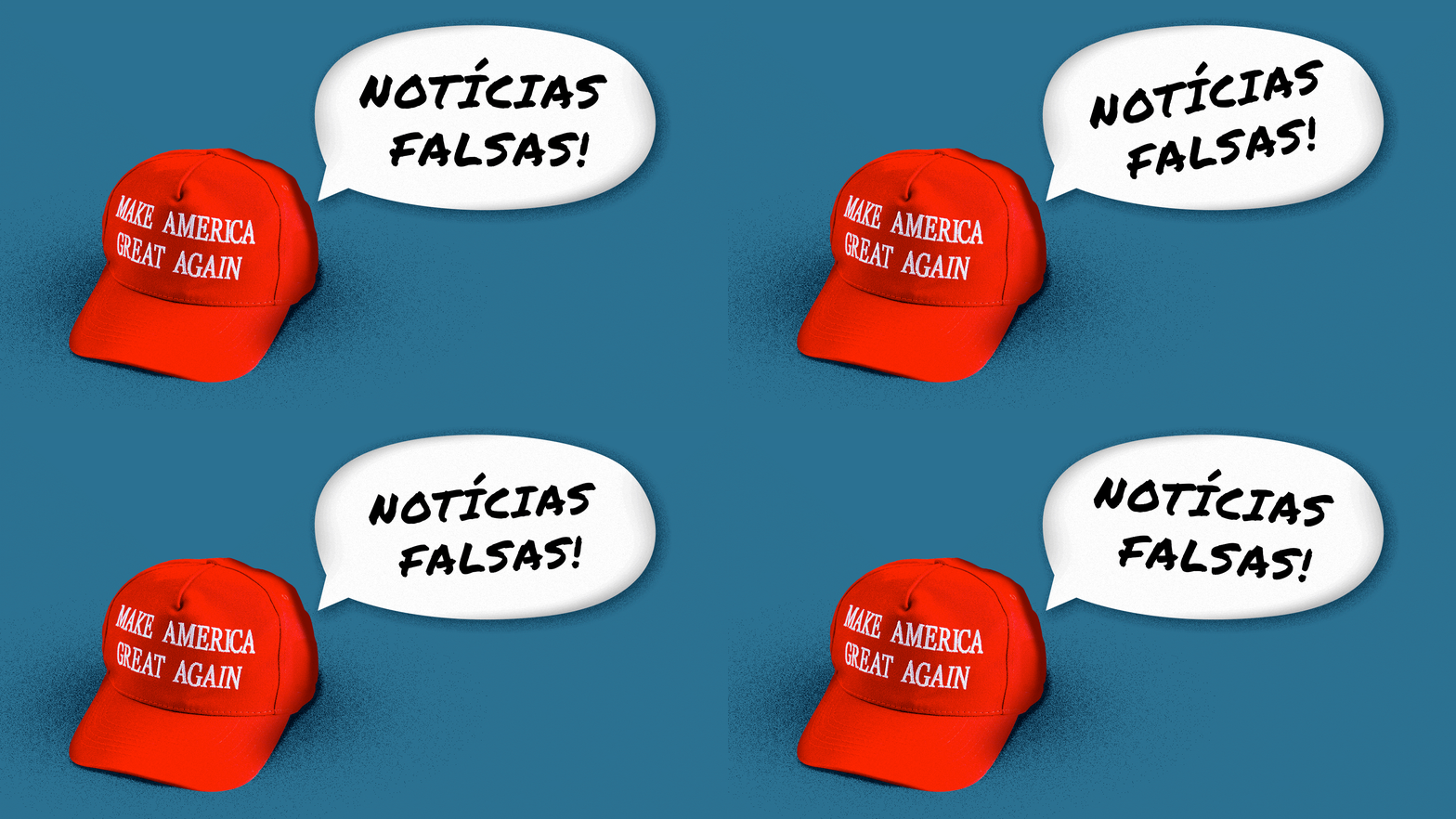
The fallout from the recent presidential election in Brazil has quickly crossed international borders, becoming a central talking point for former President Donald Trump and his political circle as they prepare for the upcoming U.S. midterm elections. Following the victory of President Luiz Inácio Lula da Silva in a closely watched runoff, both the defeated candidate, Flávio Bolsonaro, and several high-profile American conservative figures have characterized the outcome as an unreliable and potentially rigged process.
On Monday, Donald Trump explicitly aligned himself with the claims of electoral interference. Speaking to reporters, he expressed deep skepticism regarding the legitimacy of the Brazilian results, stating that the situation appeared to be another instance of a compromised election. He emphasized that for the democratic process to function, results must be indisputable, adding that the events in Brazil looked very bad from his perspective. When questioned about these assertions, the White House directed inquiries to Trump’s specific comments.
At the heart of the dispute is the refusal of the Bolsonaro camp to accept the certified results. Flávio Bolsonaro, who fell to Lula in the runoff, told reporters that it was impossible to recognize the outcome given the context of the voting process. He has since vowed to seek an annulment of the results, mirroring the stance of his father, Jair Bolsonaro, who has similarly resisted conceding defeat. This resistance has been bolstered by a controversial decision made during the final hours of voting on Sunday.
Brazilian Supreme Court Justice Cristiano Zanin issued a two-hour extension to the voting period, a move that critics have seized upon as a point of contention. Zanin, who previously served as Lula’s lawyer, granted the extension after both political camps requested more time for voters to reach the polls. Lula’s representatives cited widespread public transit disruptions as the reason for the delay, while Bolsonaro’s team argued that severe weather in specific states required additional time for their supporters. Despite the fact that both sides sought the extension, the decision was interpreted by some observers as a potential catalyst for legal challenges against the country’s electronic voting system, which is otherwise widely regarded as technically reliable.
In the United States, prominent voices in the MAGA movement have used the Brazilian results to frame expectations for the domestic political landscape. Podcaster Benny Johnson challenged the statistical validity of the runoff during a Monday broadcast, suggesting the numbers were inconsistent with standard expectations. He was joined in his assessment by Florida Attorney General James Uthmeier, who compared the electoral environment in Brazil to that of a banana republic.
Other advisors and media figures have called for more aggressive responses from the American government. Steve Bannon, a former White House advisor, utilized his platform to urge a severance of ties with Brazil if the election results are not reconsidered. He specifically connected the situation in South America to the U.S. midterms, warning his audience that if action is not taken, a similar scenario could unfold in the United States next Tuesday. This sentiment was echoed by Jack Posobiec, who suggested that the actions of the political left in Brazil were a precursor to what might happen on American soil.
Andrew Kolvet, a producer for the Charlie Kirk Show, went further by suggesting that the United States should apply quiet diplomatic pressure to reject the result. He encouraged Bolsonaro supporters to take more direct action, including rallying in the streets and refusing to report to work as a form of protest against the certification.
The focus on Brazil comes as the U.S. Justice Department is engaged in several pre-election legal maneuvers that have drawn scrutiny from political activists. These include a preemptive request that could result in a delay in certifying the Senate results in Alaska, as well as a lawsuit filed against California involving allegations that suspected noncitizens were issued ballots. As political opponents accuse the Trump camp of voter intimidation tactics, the rhetoric surrounding the Brazilian election has become a primary vehicle for those arguing that extraordinary measures may be necessary to ensure the security of future American votes.