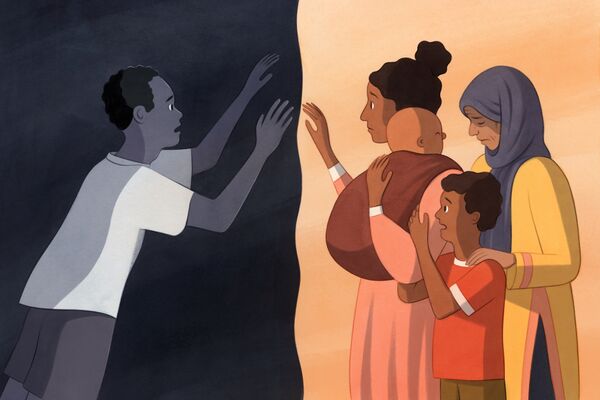
When migrants die attempting to cross international borders, the aftermath frequently exposes a fractured landscape of competing jurisdictions, mismatched data systems, and nearly insurmountable bureaucratic walls. While global migration policy focuses intensely on live arrivals, deterrence, and border security, an invisible posthumous dimension leaves thousands of families searching indefinitely for loved ones whose remains end up in numbered graves across the globe.
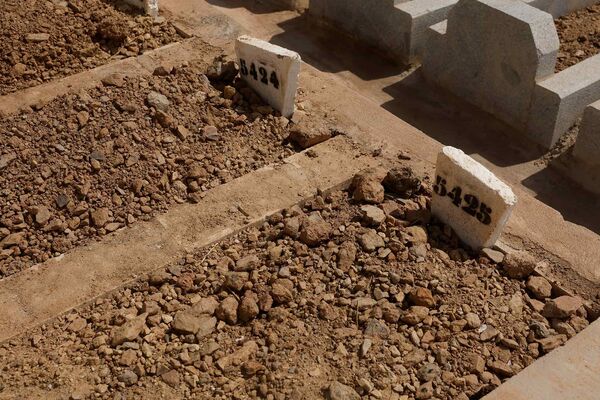
At the Sidi Embarek Muslim cemetery in the Spanish exclave of Ceuta, rows of numbered headstones overlook the Mediterranean Sea. The site became the final resting place for individuals who drowned during a summer mass crossing involving tens of thousands of people moving from nearby Morocco. Mohamed Said Arif, a 21-year-old from the Moroccan town of M’diq less than 30 kilometers away, was among those laid to rest with his name confirmed. But cemetery management reported that out of roughly 90 people buried following the tragedy, 81 remain anonymous, marked only by numbers linked to forensic records such as fingerprints and DNA.
While these numbers ensure that anonymity is not permanent, bridging the gap between a forensic file and a grieving family depends entirely on cross-border cooperation that rarely exists. Migration routes consistently separate the place of death, the location where a body is recovered, and the home of the searching family into entirely different legal and administrative domains. According to the International Organization for Migration’s Missing Migrants Project, more than 82,000 people have been recorded dead or missing since 2014, impacting an estimated 340,000 family members. Research on European migration routes in 2020 and 2021 indicated that only about 7% of people reported missing at sea were found, and fewer than half of recovered bodies were successfully identified.
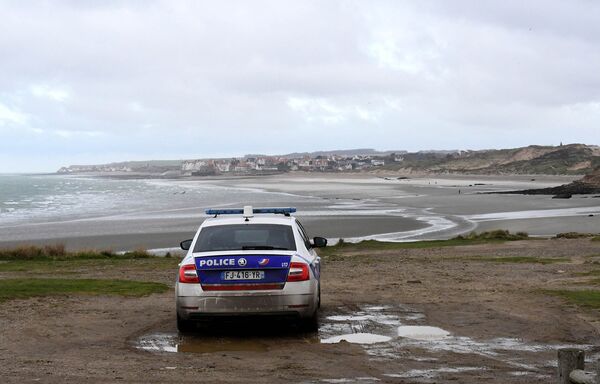
The logistical barriers are immense. Following a November 2021 shipwreck in the English Channel where 27 bodies were recovered in French waters, jurisdictional rules prevented British coroners from holding a direct inquest, while French rules on judicial secrecy blocked British investigators from accessing crucial postmortem evidence. On the Morocco-Spain border, Spain’s Guardia Civil established an office for relatives that received 160 emails on its opening day, yet many Moroccan families required visas just to enter Ceuta to search for information, leaving parents waiting weeks in nearby towns without news.
Financial hurdles also stall identifications. A Syrian refugee named Mustafa Bakro went missing in a late 2024 shipwreck, but his family could not afford the €60 required to mail a DNA kit, delaying his identification until January 2026. Conversely, systematic collection of family DNA and dedicated bureaucratic structures have occasionally yielded results, as seen after the June 2023 Pylos shipwreck in Greece, where authorities identified 74 of 82 recovered bodies. In other cases, progress relies entirely on private initiatives, such as journalists pushing for headstones and identifications months or years after disasters like the Cutro sinking in Italy.
The pain of anonymity frequently spills over into communities. In the Tunisian coastal town of Zarzis, where unclaimed bodies regularly wash ashore, families in late 2022 began exhuming and inspecting graves after realizing that local burials of unknown migrants might include their own missing children and neighbors. Forensic experts emphasize that identification serves the living rather than the dead, providing essential psychological closure.
Even when identities are established, repatriation remains complicated. None of the nine identified individuals buried in Ceuta have been returned to Morocco due to ongoing disputes over documentation and verification, and the mother of the sole interred woman was reportedly denied entry to attend her daughter’s funeral. While Europe has developed sophisticated technological frameworks for managing live migration through systems like the recast Eurodac database, no equivalent transnational infrastructure exists to match the biometric data of deceased migrants with searching relatives.
Advisory bodies and human rights organizations have repeatedly called for binding cross-border cooperation, permanently mapped graves, and expedited family visas, noting that no current international laws mandate states to actively search for missing migrants. Recent proposals, including a recommendation by Spain’s Ombudsman for a national forensic database and a similar bill introduced in Italy, signal growing institutional recognition of the crisis. King Felipe VI and Queen Letizia of Spain recently visited the Ceuta cemetery to observe a moment of silence and offer condolences to families, highlighting a growing public awareness that must now translate into practical, coordinated administrative mechanisms across borders.