
Stargazing Guide: Observing the Waning Gibbous Moon and Upcoming Lunar Cycle Dates

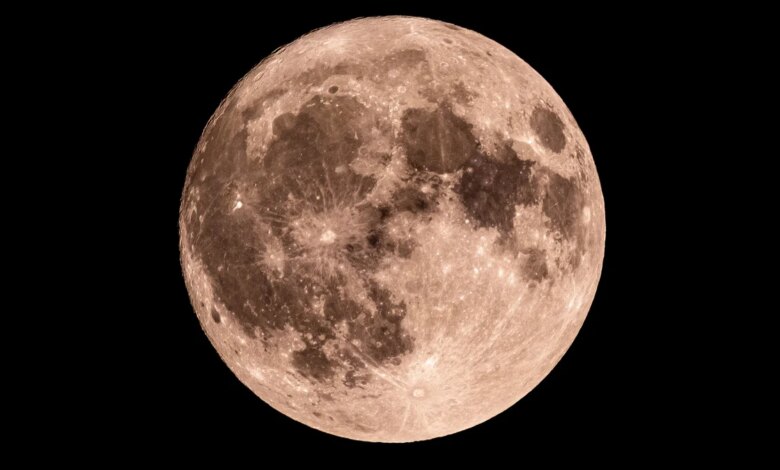
Skywatchers tracking the lunar cycle on Wednesday, October 28, 2026, are currently observing the Waning Gibbous phase. According to NASA’s Daily Moon Guide tracker, the lunar surface is 94 percent visible during this period, indicating a moon that appears more than half illuminated while gradually decreasing in apparent size as it moves toward the upcoming Third Quarter Moon.
Observers looking up at the night sky without visual aids can spot several prominent lunar features tonight, including the Tycho Crater, Copernicus Crater, and the expansive Mare Imbrium. For those utilizing binoculars, additional geological formations come into view, such as the Posidonius Crater, the Mare Humorum, and the Grimaldi Basin. Stargazers equipped with telescopes can examine even finer details, including the Apollo 12 landing site, the fault scarp Rupes Altai, and the rugged Caucasus Mountains.
Looking ahead in the lunar calendar, the next Full Moon is scheduled to take place on November 24. The moon completes a full orbit around Earth in approximately 29.5 days, cycling through a predictable sequence of illumination changes driven by its changing position relative to Earth and the sun.
NASA outlines the complete eight-step progression of the lunar cycle, beginning with the New Moon, where the lunar body sits between Earth and the sun, leaving the visible side unilluminated and effectively invisible to the naked eye. This is followed by the Waxing Crescent, where a small sliver of light appears on the right side in the Northern Hemisphere, leading into the First Quarter, characterized by a half-illuminated right side.
The cycle continues with the Waxing Gibbous phase, where more than half of the surface is lit without reaching full illumination, culminating in the Full Moon when the entire face is visible. Following the peak illumination, the sequence moves into the Waning Gibbous phase where the moon loses light on the right side, progresses to the Third Quarter or Last Quarter—a half-moon illuminated on the left side—and concludes with the Waning Crescent, leaving a thin sliver of light on the left before the cycle resets.